THE ADVENTURE COLLECTIVE® · Independent discovery and booking for outdoor travel

Walk the pale quarries that supplied Arequipa’s famed white stone and stand at viewpoints where Misti and Chachani dominate the skyline. This half-day Sillar Route blends geology, craft and volcano views into an accessible outdoor cultural tour.
Walk the pale quarries that supplied Arequipa’s famed white stone and stand at viewpoints where Misti and Chachani dominate the skyline. This half-day Sillar Route blends geology, craft and volcano views into an accessible outdoor cultural tour.
You step out of the minivan onto pale ground and the city’s white stone seems to shift into the raw source: jagged benches of sillar, pink and cream faces scored by centuries of cutting. Air high above Arequipa is cool and thin, and the volcanoes—Misti, Chachani and Pichu Pichu—keep watch on the horizon, their slopes daring you to look closer.
Verified experiences and guided adventures in the surrounding area.
Operated by VIAJES POR PERU · Arequipa, Arequipa
You step out of the minivan onto pale ground and the city’s white stone seems to shift into the raw source: jagged benches of sillar, pink and cream faces scored by centuries of cutting. Air high above Arequipa is cool and thin, and the volcanoes—Misti, Chachani and Pichu Pichu—keep watch on the horizon, their slopes daring you to look closer.
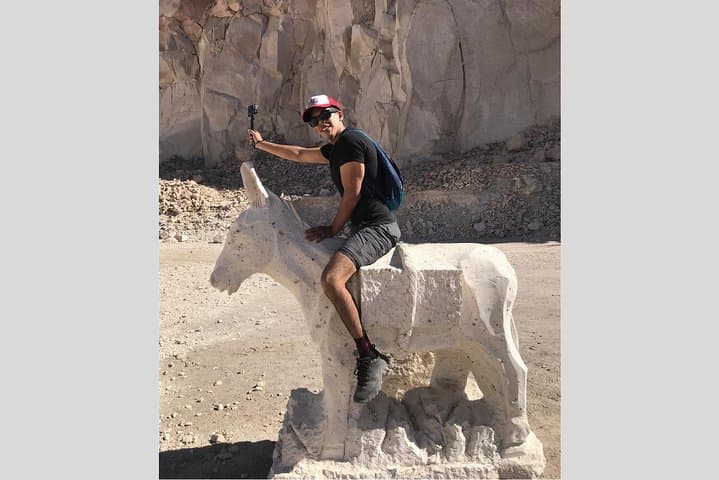
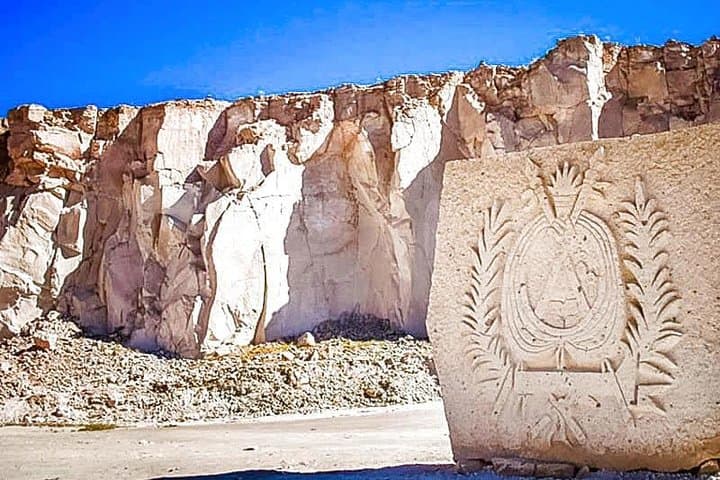
The route follows roughly 2,000 meters through active and virgin quarries in Cerro Colorado, tracing the traditional work of sillar cutters. Ashlar (sillar) is an ignimbrite volcanic rock that built the White City; here you see both the extraction and the enormous, hand-carved blocks that became colonial facades. The Sillar Cutters Network runs interpretive workshops where cutters demonstrate techniques and sell simple handicrafts carved from the same stone.
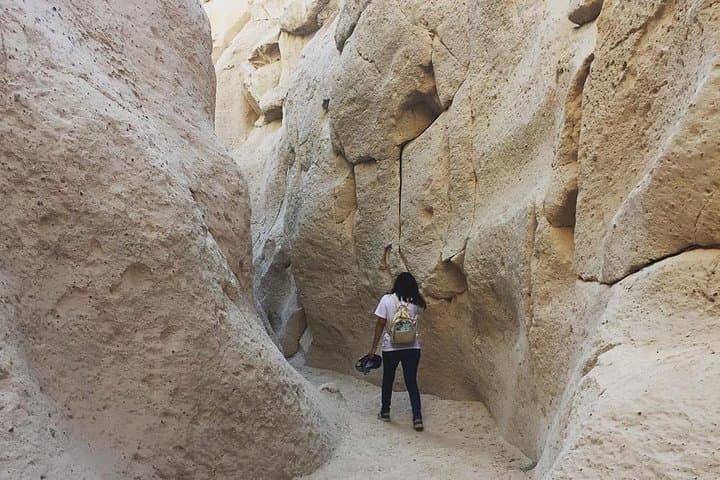
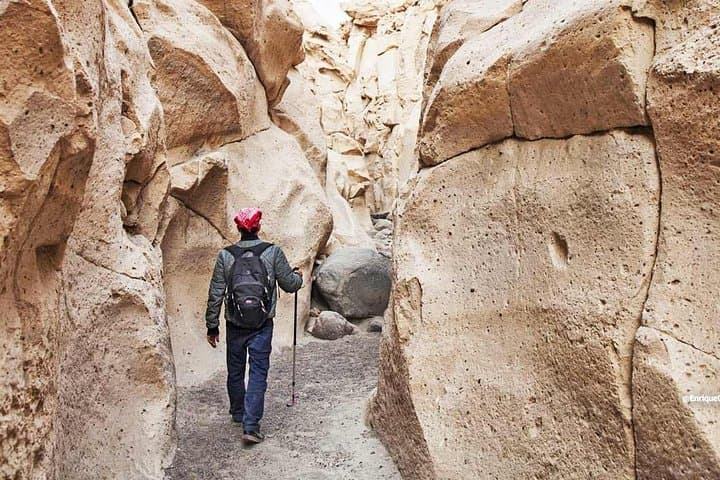
Geology and culture intersect: the pink ashlar canyons and shingles road are natural formations shaped by past eruptions and erosion, then adapted by human skill. Visitors contrast raw quarries with the ornate ashlar churches back in Arequipa’s historic center—the lesson in material and labor is immediate.
Practically, the half-day route is 3–4 hours, mostly easy walking over uneven quarry trails; expect dust, short stair-like benches, and photo stops. Bring sun protection and water, and allow extra time for acclimatization—the city sits above 2,300 m. Photography is excellent in morning or late afternoon light; large groups are common, but interpretive stops give context rather than a race through the stones.
This is a short, tactile exploration of geology and craft—an outdoor cultural walk that rewards curiosity and steady shoes.
easy.
3–4 hours.
Suitable for people in light to moderate physical condition; involves short walks on uneven ground and some low steps.
Typical tours run about 3–4 hours, covering roughly 2,000 meters of trail with several interpretive stops.
Yes—paths are accessible for most ages, but expect uneven ground; infants must sit on laps per operator rules, and pregnant travelers are advised not to participate.
Yes; the Sillar Cutters Network provides interpretive workshops and demonstrations showing traditional cutting techniques and tools.
Arequipa sits above 2,300 m—mild symptoms are possible; take it easy, hydrate, and avoid strenuous activity if you feel unwell.
Arequipa’s colonial architecture is largely built from sillar, a volcanic ignimbrite quarried since pre-Columbian times and expanded under Spanish colonial builders.
Quarries on the route include protected areas; visitors are asked not to remove stone, disturb rock faces or leave waste to preserve fragile formations and cultural sites.
VIAJES POR PERU operates guided outdoor trips and adventures with an emphasis on safety, stewardship, and memorable experiences.
You step out of the minivan onto pale ground and the city’s white stone seems to shift into the raw source: jagged benches of sillar, pink and cream faces scored by centuries of cutting. Air high above Arequipa is cool and thin, and the volcanoes—Misti, Chachani and Pichu Pichu—keep watch on the horizon, their slopes daring you to look closer.
You step out of the minivan onto pale ground and the city’s white stone seems to shift into the raw source: jagged benches of sillar, pink and cream faces scored by centuries of cutting. Air high above Arequipa is cool and thin, and the volcanoes—Misti, Chachani and Pichu Pichu—keep watch on the horizon, their slopes daring you to look closer.
The route follows roughly 2,000 meters through active and virgin quarries in Cerro Colorado, tracing the traditional work of sillar cutters. Ashlar (sillar) is an ignimbrite volcanic rock that built the White City; here you see both the extraction and the enormous, hand-carved blocks that became colonial facades. The Sillar Cutters Network runs interpretive workshops where cutters demonstrate techniques and sell simple handicrafts carved from the same stone.
Geology and culture intersect: the pink ashlar canyons and shingles road are natural formations shaped by past eruptions and erosion, then adapted by human skill. Visitors contrast raw quarries with the ornate ashlar churches back in Arequipa’s historic center—the lesson in material and labor is immediate.
Practically, the half-day route is 3–4 hours, mostly easy walking over uneven quarry trails; expect dust, short stair-like benches, and photo stops. Bring sun protection and water, and allow extra time for acclimatization—the city sits above 2,300 m. Photography is excellent in morning or late afternoon light; large groups are common, but interpretive stops give context rather than a race through the stones.
This is a short, tactile exploration of geology and craft—an outdoor cultural walk that rewards curiosity and steady shoes.