THE ADVENTURE COLLECTIVE® · Independent discovery and booking for outdoor travel

An accessible, private 8‑day tour linking Tashkent, Khiva, Bukhara and Samarkand. Expect UNESCO sites, desert drives and guided insights into Silk Road history with comfortable hotels and included transport.
An accessible, private 8‑day tour linking Tashkent, Khiva, Bukhara and Samarkand. Expect UNESCO sites, desert drives and guided insights into Silk Road history with comfortable hotels and included transport.
You step out of Tashkent’s early-morning light and the city’s mosaic of Soviet blocks and blue‑tiled mosques slips behind you as the road unfurls toward ancient caravan routes.
Verified experiences and guided adventures in the surrounding area.
Operated by Silk Rоad Destinations · Tashkent, Tashkent Region
You step out of Tashkent’s early-morning light and the city’s mosaic of Soviet blocks and blue‑tiled mosques slips behind you as the road unfurls toward ancient caravan routes.
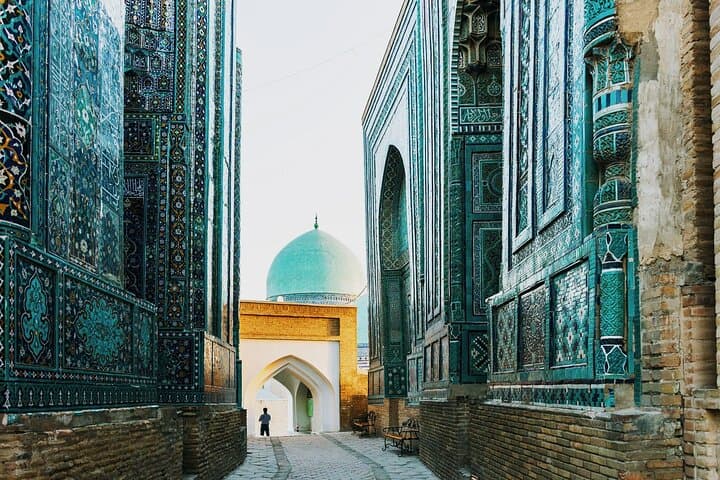
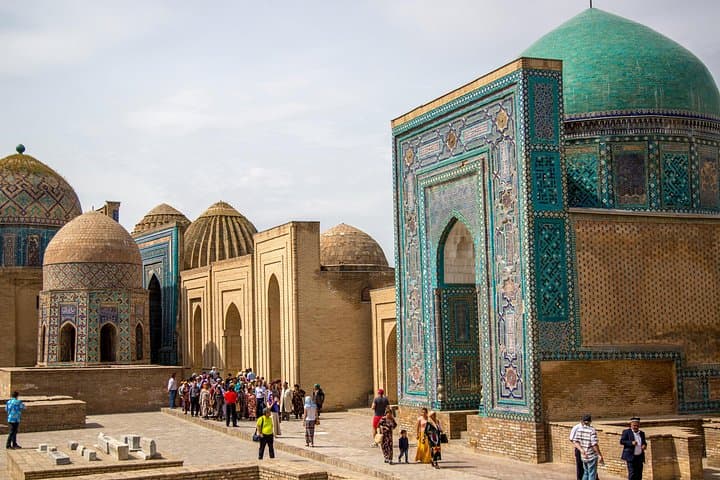
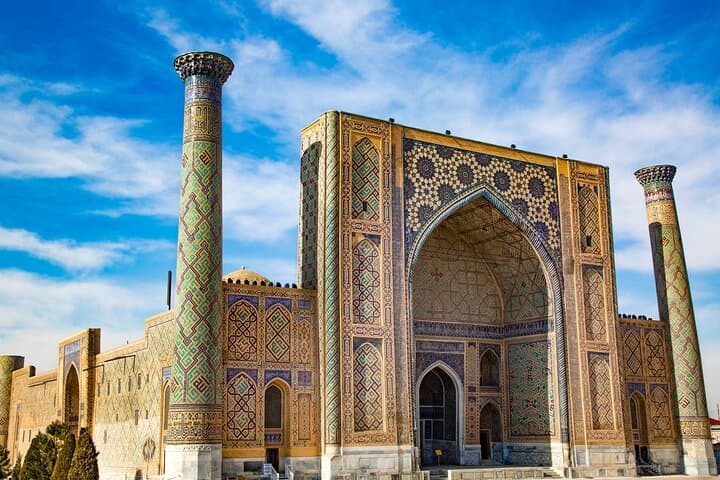
From Tashkent’s Tilla Sheikh complex to Khiva’s glazed minarets, the itinerary threads through desert plains, river valleys and stone courtyards. Khiva’s Itchan‑Kala presses history into every arch; Bukhara’s Poi Kalan looms with the weight of emirs; Samarkand’s Registan holds a skyline of tiled portals that glow late into evening. Geology here is as much a backdrop as a player: the Kyzylkum’s red sands push against the irrigated oases fed by the Amu Darya, shaping settlements and the very routes of the Silk Road.
Culturally, expect layers — Persian, Turkic and Islamic influences layered with Soviet-era infrastructure and resilient local craft traditions such as Gijduvan ceramics and Uzbek pilaf kitchens. Guides decode the context: why minarets were built, how caravanserais functioned, and the foodways that sustained traders.
Practically, this private multi‑day tour balances relaxed transport with daily walking tours — cobbled lanes, madrasa courtyards and market alleys. Carry a daypack, wear comfortable closed shoes, and plan days around cooler morning and late‑afternoon sightseeing when monuments are least crowded. Cash in small denominations is useful for bazaars; bring a photocopy of your passport and any visa paperwork. Hydrate in the lowland heat, and pack a light layer for air‑conditioned vehicles and cooler nights in desert towns.
The trip is a measured blend of immersive history and practical logistics — ideal for travelers seeking context as well as comfort on Uzbekistan’s most storied route.
easy.
8 days.
Suitable for travelers in average health who can walk several hours across uneven surfaces; minimal sustained exertion.
Visa requirements vary by nationality; check current Uzbek government guidance and arrange any visas before travel.
This tour includes English‑speaking local guides for city tours; other languages may be available on request.
No — international flights to and from Uzbekistan are not included in the tour price.
Yes — the operator can accommodate vegetarian, vegan and gluten‑free needs if indicated at booking.
These cities were pivotal Silk Road hubs where trade, religion and crafts converged; Khiva, Bukhara and Samarkand each preserve distinct architectural eras from the 10th–19th centuries.
Tourism pressure and limited water resources make responsible water use and respectful behavior in fragile historic sites important; support local crafts and follow site rules to reduce impact.
Silk Rоad Destinations operates guided outdoor trips and adventures with an emphasis on safety, stewardship, and memorable experiences.
You step out of Tashkent’s early-morning light and the city’s mosaic of Soviet blocks and blue‑tiled mosques slips behind you as the road unfurls toward ancient caravan routes.
You step out of Tashkent’s early-morning light and the city’s mosaic of Soviet blocks and blue‑tiled mosques slips behind you as the road unfurls toward ancient caravan routes.
From Tashkent’s Tilla Sheikh complex to Khiva’s glazed minarets, the itinerary threads through desert plains, river valleys and stone courtyards. Khiva’s Itchan‑Kala presses history into every arch; Bukhara’s Poi Kalan looms with the weight of emirs; Samarkand’s Registan holds a skyline of tiled portals that glow late into evening. Geology here is as much a backdrop as a player: the Kyzylkum’s red sands push against the irrigated oases fed by the Amu Darya, shaping settlements and the very routes of the Silk Road.
Culturally, expect layers — Persian, Turkic and Islamic influences layered with Soviet-era infrastructure and resilient local craft traditions such as Gijduvan ceramics and Uzbek pilaf kitchens. Guides decode the context: why minarets were built, how caravanserais functioned, and the foodways that sustained traders.
Practically, this private multi‑day tour balances relaxed transport with daily walking tours — cobbled lanes, madrasa courtyards and market alleys. Carry a daypack, wear comfortable closed shoes, and plan days around cooler morning and late‑afternoon sightseeing when monuments are least crowded. Cash in small denominations is useful for bazaars; bring a photocopy of your passport and any visa paperwork. Hydrate in the lowland heat, and pack a light layer for air‑conditioned vehicles and cooler nights in desert towns.
The trip is a measured blend of immersive history and practical logistics — ideal for travelers seeking context as well as comfort on Uzbekistan’s most storied route.