THE ADVENTURE COLLECTIVE® · Independent discovery and booking for outdoor travel

A deep-dive Silk Road itinerary linking Tashkent, Khiva, Bukhara and Samarkand with desert yurt nights and mountain homestays. Expect historic architecture, guided hikes in the Nuratau Reserve and long, scenic drives across the Kyzyl-Kum.
A deep-dive Silk Road itinerary linking Tashkent, Khiva, Bukhara and Samarkand with desert yurt nights and mountain homestays. Expect historic architecture, guided hikes in the Nuratau Reserve and long, scenic drives across the Kyzyl-Kum.
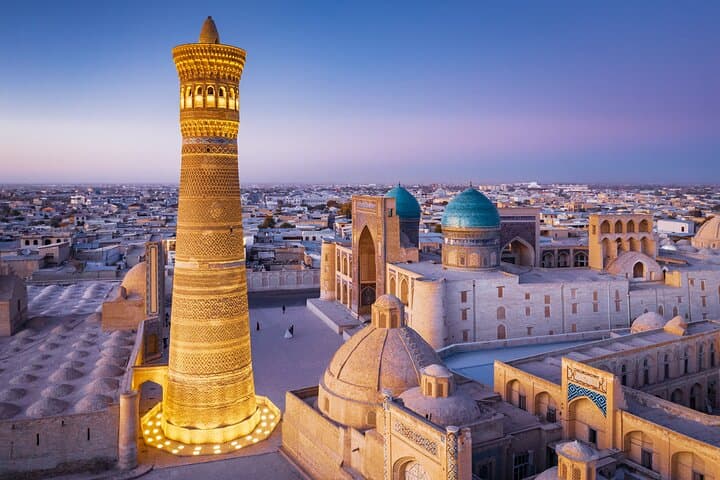
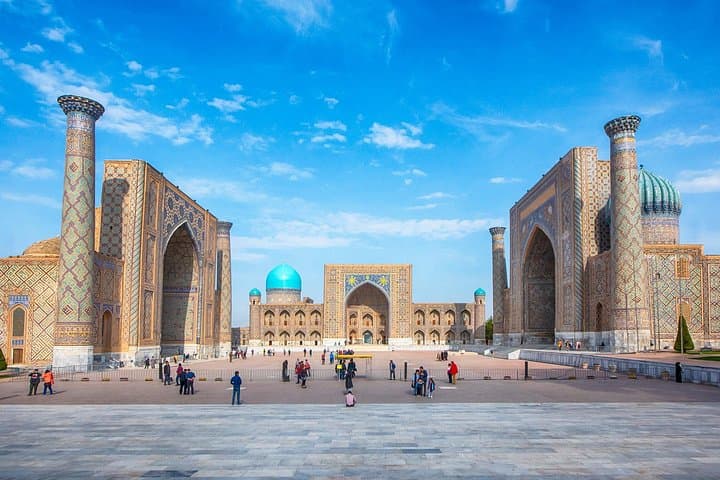
You step off the train into sunlight and blue-tiled domes rising like pages from a history book; a warm wind from the steppe pushes dust along the platform and into the city’s arteries. Over the next two weeks the landscape will change from Tashkent’s Soviet-era boulevards to Khiva’s fortified lanes, Bukhara’s low-slung madrasahs and the turquoise domes of Samarkand.
Verified experiences and guided adventures in the surrounding area.
Operated by Nuratau Travel · Tashkent, Tashkent Region
You step off the train into sunlight and blue-tiled domes rising like pages from a history book; a warm wind from the steppe pushes dust along the platform and into the city’s arteries. Over the next two weeks the landscape will change from Tashkent’s Soviet-era boulevards to Khiva’s fortified lanes, Bukhara’s low-slung madrasahs and the turquoise domes of Samarkand.
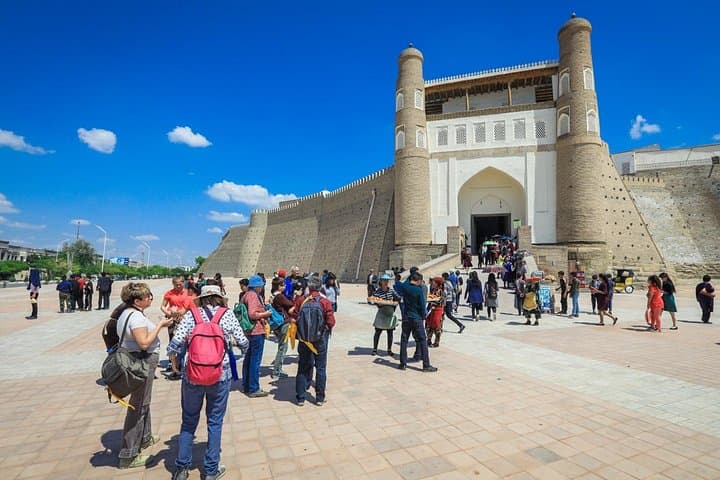
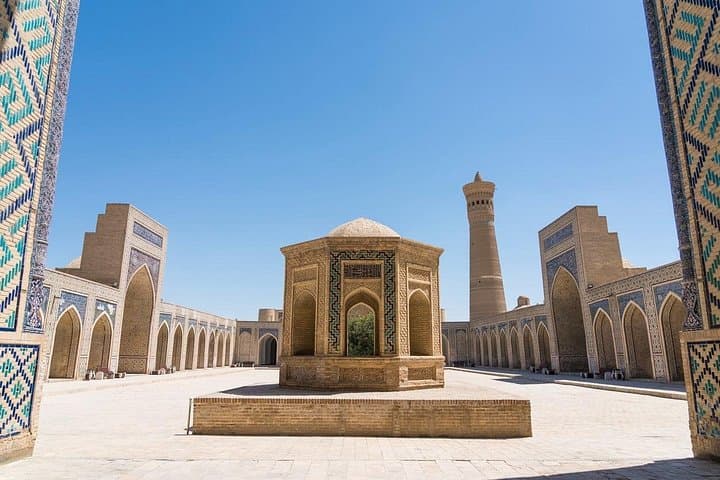
This itinerary threads historic Silk Road cities and desert forts, with geology moving from river-fed alluvial plains to the stony Nuratau range and the fringes of the Kyzyl-Kum desert. Expect centuries-old tilework, Timurid mausoleums and mud-brick fortresses that speak to Khorezm’s ancient irrigation cultures and Tamerlane’s building boom.
Culture here is hands-on: bazaars that hum with barter, homestays in Hayat village where families cook plov, and a yurt night under a wide, orderly sky. Natural highlights include Lake Aydarkul’s seasonal wetlands—birds arrive like clockwork—and a guided visit to the Nuratau reserve to see the rare Severtzov’s sheep.
Practical edge: travel is a mix of short flights, long drives (Khiva–Bukhara ~6 hours) and a handful of moderate hikes (half-day, uneven trails). Bring layered clothing for desert nights, sturdy shoes for cobbled streets and 1–2 liters of water for walks. Plan for early starts to avoid midday heat in summer and check train/flight schedules—this is a logistical, immersive tour best suited to travelers comfortable with long days and rich cultural exchange.
moderate.
14 days.
Moderate fitness recommended: able to walk 3–6 miles over uneven surfaces, handle short hikes and sit through multi-hour transfers.
Moderate fitness: daytime hikes are typically half-day on uneven trails with some short climbs; no technical climbing required.
Most breakfasts and select lunches/dinners are included per itinerary; local homestay meals are a highlight but notify dietary needs in advance.
The tour balances guided sightseeing with free afternoons in major cities like Bukhara and Samarkand for self-directed exploration.
Tap water is not consistently potable across all regions; bottled water or a filtered refillable bottle is recommended.
Cities on this route grew as Silk Road hubs; Samarkand and Bukhara flourished under Timur and the medieval Timurid and Samanid states.
Local reserves focus on protecting endemic steppe species and traditional grazing practices; minimize waste, stick to trails and avoid disturbing breeding areas.
Nuratau Travel operates guided outdoor trips and adventures with an emphasis on safety, stewardship, and memorable experiences.
You step off the train into sunlight and blue-tiled domes rising like pages from a history book; a warm wind from the steppe pushes dust along the platform and into the city’s arteries. Over the next two weeks the landscape will change from Tashkent’s Soviet-era boulevards to Khiva’s fortified lanes, Bukhara’s low-slung madrasahs and the turquoise domes of Samarkand.
You step off the train into sunlight and blue-tiled domes rising like pages from a history book; a warm wind from the steppe pushes dust along the platform and into the city’s arteries. Over the next two weeks the landscape will change from Tashkent’s Soviet-era boulevards to Khiva’s fortified lanes, Bukhara’s low-slung madrasahs and the turquoise domes of Samarkand.
This itinerary threads historic Silk Road cities and desert forts, with geology moving from river-fed alluvial plains to the stony Nuratau range and the fringes of the Kyzyl-Kum desert. Expect centuries-old tilework, Timurid mausoleums and mud-brick fortresses that speak to Khorezm’s ancient irrigation cultures and Tamerlane’s building boom.
Culture here is hands-on: bazaars that hum with barter, homestays in Hayat village where families cook plov, and a yurt night under a wide, orderly sky. Natural highlights include Lake Aydarkul’s seasonal wetlands—birds arrive like clockwork—and a guided visit to the Nuratau reserve to see the rare Severtzov’s sheep.
Practical edge: travel is a mix of short flights, long drives (Khiva–Bukhara ~6 hours) and a handful of moderate hikes (half-day, uneven trails). Bring layered clothing for desert nights, sturdy shoes for cobbled streets and 1–2 liters of water for walks. Plan for early starts to avoid midday heat in summer and check train/flight schedules—this is a logistical, immersive tour best suited to travelers comfortable with long days and rich cultural exchange.