THE ADVENTURE COLLECTIVE® · Independent discovery and booking for outdoor travel

Cross the Anzob pass and step into Samarkand’s blue-tile world on a compact 3-day tour from Dushanbe. This itinerary pairs border-crossing road travel with concentrated visits to Afrosiyob, Shah-i-Zinda, Registan and the Imam al-Bukhari complex.
Cross the Anzob pass and step into Samarkand’s blue-tile world on a compact 3-day tour from Dushanbe. This itinerary pairs border-crossing road travel with concentrated visits to Afrosiyob, Shah-i-Zinda, Registan and the Imam al-Bukhari complex.
You leave Dushanbe before dawn and the highway pulls you up into cold air and stone: Anzob Pass opens like a gap in the Fann range, its ridgelines keeping watch as the minivan slides toward the border at Penjikent.
Verified experiences and guided adventures in the surrounding area.
Operated by Bunyod-Tour · Samarkand, Samarkand Region
You leave Dushanbe before dawn and the highway pulls you up into cold air and stone: Anzob Pass opens like a gap in the Fann range, its ridgelines keeping watch as the minivan slides toward the border at Penjikent.
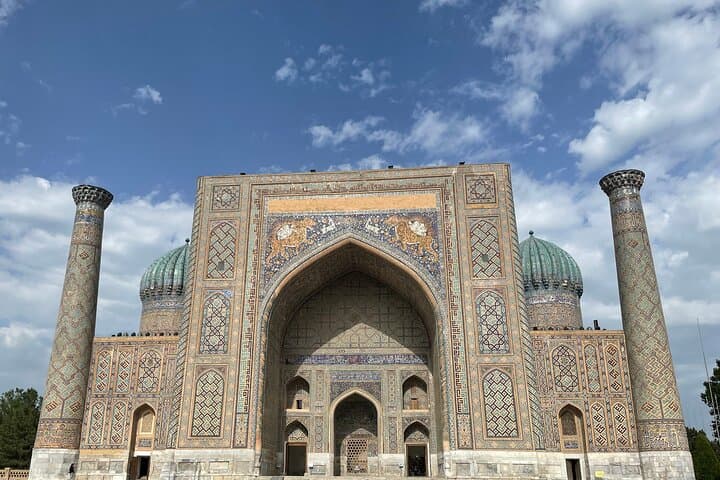
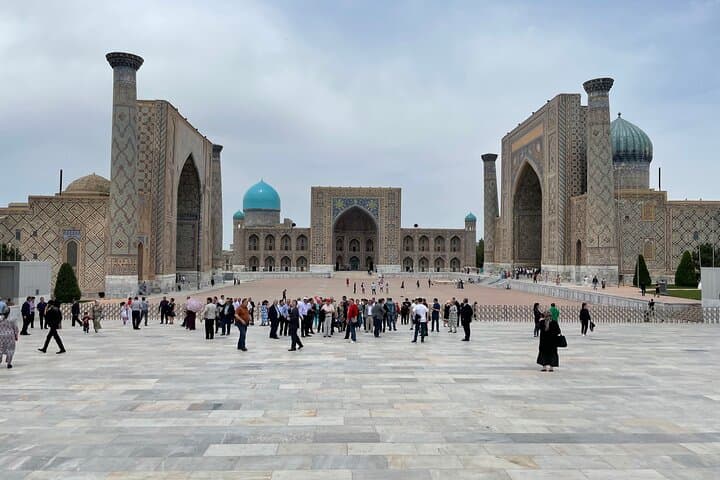
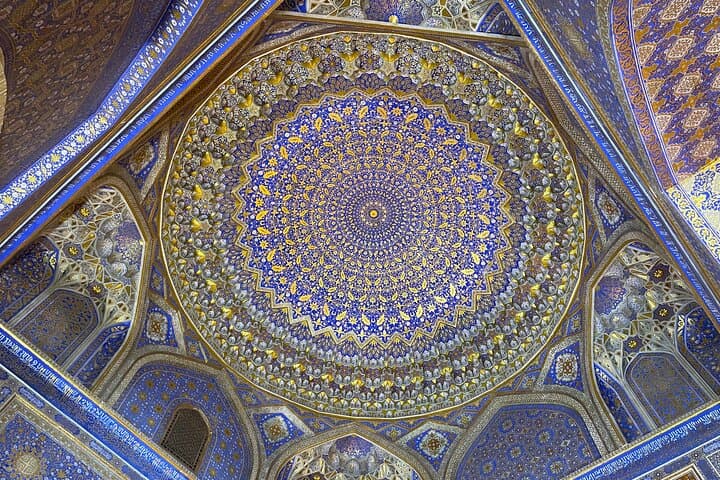
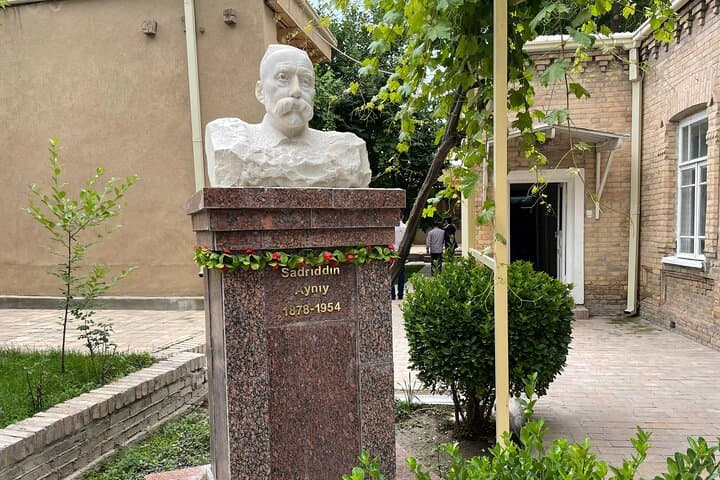
By late afternoon the mosaic tiles and turquoise domes of Samarkand appear against a wide sky — a city that demanded trade caravans for two millennia. The itinerary threads the essentials: Afrosiyob’s archaeological layers, the living colors of Shah-i-Zinda’s mausoleums, Sherdor and Registan’s madrasahs, and quieter sites such as Hazrati Khizr and the modern Imam al-Bukhari complex. Geology here matters: the Zeravshan valley opened a corridor for Silk Road routes and irrigated oases, while nearby highlands like the Fann Mountains still hold snow where rivers begin.
Expect deep history — Sogdian merchants and Timurid patrons shaped the urban plan and stonework — and a living culture of tea houses, craftsmen, and mosque courtyards. Nights are spent in central hotels; days move on foot across paved squares and uneven mausoleum steps.
Practical edge: bring a valid passport (Uzbekistan permits many nationalities visa-free, but check current rules), local currency for small purchases, sun protection, and comfortable walking shoes with good grip. Border formalities can add time; carry water and basic snacks for the road. Moderate fitness and mobility help you enjoy multiple walking tours in hot, sunny conditions. Respect fragile tilework, follow your guide at cross-border controls, and plan for early starts to avoid mid-day heat.
moderate.
3 days (approx. 72 hours).
Moderate endurance and the ability to walk several hours across uneven urban terrain and climb short flights of stone steps.
Uzbekistan offers visa-free entry to many nationalities, but rules change; check official government guidance and carry necessary documents for the border crossing.
Processing times vary; plan for 1–2 hours and bring passports, any required visas, and arrival/departure details to speed the process.
This itinerary includes breakfasts, lunches and dinners as listed; expect local Uzbek and Tajik dishes served in restaurants or hotel dining rooms.
The tour involves walking on uneven historic surfaces and climbing steps; it’s not recommended for those with serious mobility limitations or recent spinal/heart issues.
Samarkand was a major Sogdian center and a keystone of the Silk Road; later it flourished under the Timurid dynasty, producing monumental Islamic architecture and scholarship.
Historic tilework and archaeological remains are fragile — avoid touching surfaces, stay on marked paths, and support local guides and small businesses to keep tourism sustainable.
Bunyod-Tour operates guided outdoor trips and adventures with an emphasis on safety, stewardship, and memorable experiences.
You leave Dushanbe before dawn and the highway pulls you up into cold air and stone: Anzob Pass opens like a gap in the Fann range, its ridgelines keeping watch as the minivan slides toward the border at Penjikent.
You leave Dushanbe before dawn and the highway pulls you up into cold air and stone: Anzob Pass opens like a gap in the Fann range, its ridgelines keeping watch as the minivan slides toward the border at Penjikent.
By late afternoon the mosaic tiles and turquoise domes of Samarkand appear against a wide sky — a city that demanded trade caravans for two millennia. The itinerary threads the essentials: Afrosiyob’s archaeological layers, the living colors of Shah-i-Zinda’s mausoleums, Sherdor and Registan’s madrasahs, and quieter sites such as Hazrati Khizr and the modern Imam al-Bukhari complex. Geology here matters: the Zeravshan valley opened a corridor for Silk Road routes and irrigated oases, while nearby highlands like the Fann Mountains still hold snow where rivers begin.
Expect deep history — Sogdian merchants and Timurid patrons shaped the urban plan and stonework — and a living culture of tea houses, craftsmen, and mosque courtyards. Nights are spent in central hotels; days move on foot across paved squares and uneven mausoleum steps.
Practical edge: bring a valid passport (Uzbekistan permits many nationalities visa-free, but check current rules), local currency for small purchases, sun protection, and comfortable walking shoes with good grip. Border formalities can add time; carry water and basic snacks for the road. Moderate fitness and mobility help you enjoy multiple walking tours in hot, sunny conditions. Respect fragile tilework, follow your guide at cross-border controls, and plan for early starts to avoid mid-day heat.