THE ADVENTURE COLLECTIVE® · Independent discovery and booking for outdoor travel

Trace China’s western arc from Beijing’s imperial monuments to Kashgar’s bazaars on this 10-day Silk Road tour. Expect bullet trains, desert dunes, ancient grottoes and shifting climates—pack for long travel days and strong sun.
Trace China’s western arc from Beijing’s imperial monuments to Kashgar’s bazaars on this 10-day Silk Road tour. Expect bullet trains, desert dunes, ancient grottoes and shifting climates—pack for long travel days and strong sun.
You arrive at Beijing South Station before dawn, the city folding away behind bullet-train hum and the promise of open sky. By day two the stone of Mutianyu’s ramparts presses underfoot and by day five wind-cooked dunes outside Dunhuang dare you to walk their ridges; the trip moves from imperial plazas to desert horizons with steady, purposeful shifts.
Verified experiences and guided adventures in the surrounding area.
Operated by SilkRoadTrips · Beijing, Beijing
You arrive at Beijing South Station before dawn, the city folding away behind bullet-train hum and the promise of open sky. By day two the stone of Mutianyu’s ramparts presses underfoot and by day five wind-cooked dunes outside Dunhuang dare you to walk their ridges; the trip moves from imperial plazas to desert horizons with steady, purposeful shifts.
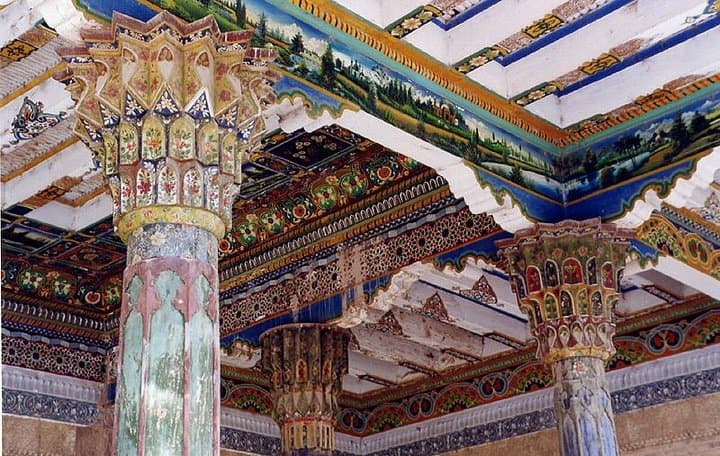
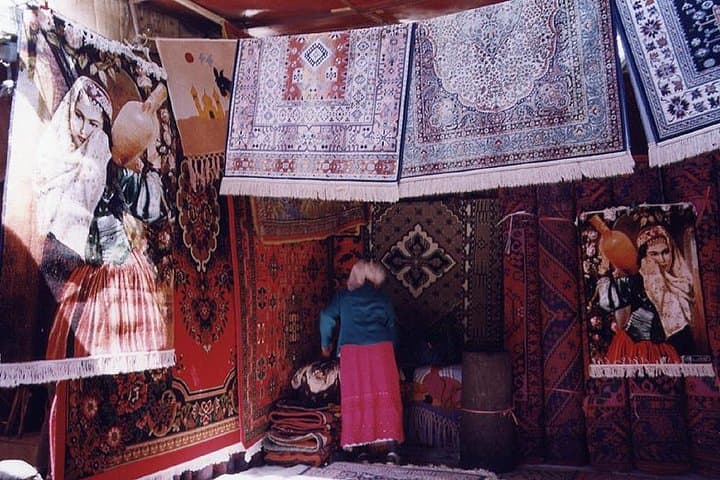
This route traces the Chinese section of the Silk Road: Han dynasty caravans drove trade and ideas across deserts and oases, leaving mausoleums, grottoes and irrigation works. Geology governs the pace—tectonic uplift near the Tianshan creates alpine lakes, while the Taklamakan’s sands sculpt crescent dunes and seal off fertile basins, where Karez wells thread water underground. Cultural layers are visible: Tang-era frescoes in Mogao Caves, the military engineering of Xi’an’s Terracotta Army, and Uyghur markets and mosques in Kashgar.
Expect long travel days by bullet train and plane, short guided walks at major sites and time in bustling bazaars. Practicalities matter: carry a passport and visa, pack sturdy walking shoes for uneven surfaces, sunscreen and a sun hat for exposed desert stops, and a light pack for transfers between hotels. Stay hydrated—high desert heat and dry air accelerate dehydration—and allow time to adjust to changing climates and languages as you cross provinces.
The tour balances cultural immersion with logistical rhythm: punctual transfers, varied terrain and a sequence of iconic Silk Road sites make it a compact way to traverse China’s western arc.
moderate.
10 days.
Suitable for travelers in average fitness who can manage multiple transfers, stairs and short hikes; minimal endurance required.
Yes—most international travelers require a Chinese visa; secure it before travel and carry the passport during all transfers.
Daily walking is moderate: guided site visits include stairs and uneven paths, with transfers by train or plane between cities.
Breakfast is provided daily; other meals and 4–5 star accommodations are listed as per the itinerary—confirm specifics with the operator.
The tour is rated suitable for most fitness levels, but consider the travel pace, transfers and desert conditions when traveling with young children or mobility-limited guests.
This route follows trade corridors used since the Han and Tang dynasties; sites like Mogao Caves and the Silk Road bazaars reflect centuries of exchange between East and West.
Desert ecosystems and fragile cave murals require respectful visitation—avoid touching frescoes, stay on designated paths and minimize plastic waste.
SilkRoadTrips operates guided outdoor trips and adventures with an emphasis on safety, stewardship, and memorable experiences.
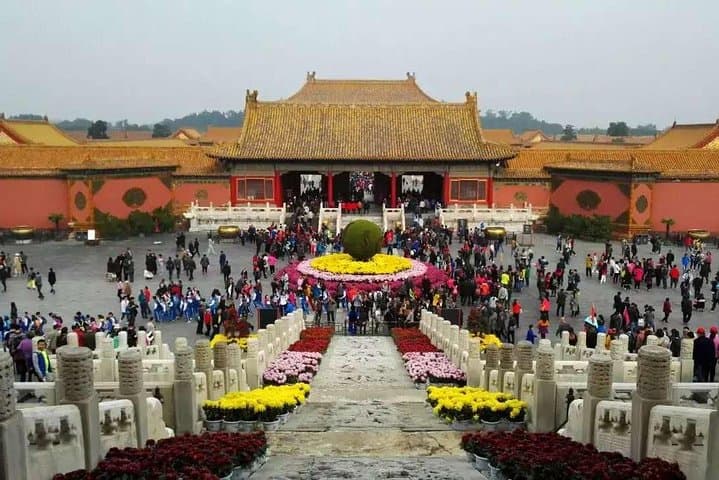
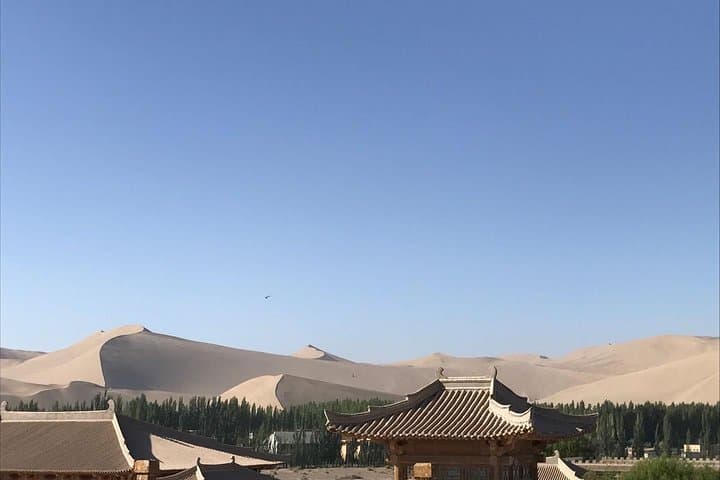
You arrive at Beijing South Station before dawn, the city folding away behind bullet-train hum and the promise of open sky. By day two the stone of Mutianyu’s ramparts presses underfoot and by day five wind-cooked dunes outside Dunhuang dare you to walk their ridges; the trip moves from imperial plazas to desert horizons with steady, purposeful shifts.
You arrive at Beijing South Station before dawn, the city folding away behind bullet-train hum and the promise of open sky. By day two the stone of Mutianyu’s ramparts presses underfoot and by day five wind-cooked dunes outside Dunhuang dare you to walk their ridges; the trip moves from imperial plazas to desert horizons with steady, purposeful shifts.
This route traces the Chinese section of the Silk Road: Han dynasty caravans drove trade and ideas across deserts and oases, leaving mausoleums, grottoes and irrigation works. Geology governs the pace—tectonic uplift near the Tianshan creates alpine lakes, while the Taklamakan’s sands sculpt crescent dunes and seal off fertile basins, where Karez wells thread water underground. Cultural layers are visible: Tang-era frescoes in Mogao Caves, the military engineering of Xi’an’s Terracotta Army, and Uyghur markets and mosques in Kashgar.
Expect long travel days by bullet train and plane, short guided walks at major sites and time in bustling bazaars. Practicalities matter: carry a passport and visa, pack sturdy walking shoes for uneven surfaces, sunscreen and a sun hat for exposed desert stops, and a light pack for transfers between hotels. Stay hydrated—high desert heat and dry air accelerate dehydration—and allow time to adjust to changing climates and languages as you cross provinces.
The tour balances cultural immersion with logistical rhythm: punctual transfers, varied terrain and a sequence of iconic Silk Road sites make it a compact way to traverse China’s western arc.