THE ADVENTURE COLLECTIVE® · Independent discovery and booking for outdoor travel

A private six-day circuit across Gansu that links Dunhuang’s dunes and Mogao Grottoes with Jiayuguan Fort and Zhangye’s multicolored Danxia. Expect long drives, timed cave visits, dramatic viewpoints and a deep dive into Silk Road history.
A private six-day circuit across Gansu that links Dunhuang’s dunes and Mogao Grottoes with Jiayuguan Fort and Zhangye’s multicolored Danxia. Expect long drives, timed cave visits, dramatic viewpoints and a deep dive into Silk Road history.
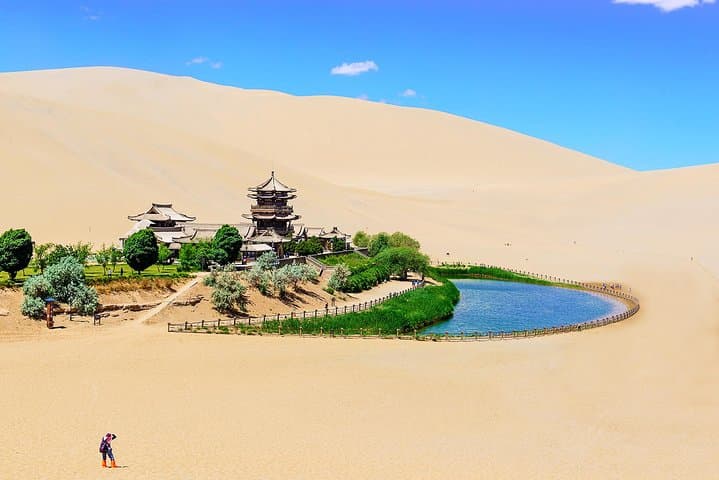
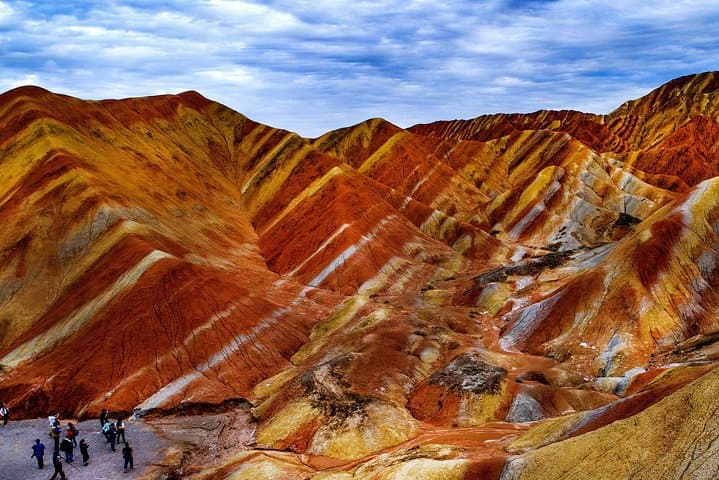
The desert light in Gansu arrives sharp and clean: dunes throw long shadows, the Danxia ridges glow like layered paint, and an air-conditioned car hums along a road that once carried caravans.
Verified experiences and guided adventures in the surrounding area.
Operated by happychinatours · Dunhuang, Gansu
The desert light in Gansu arrives sharp and clean: dunes throw long shadows, the Danxia ridges glow like layered paint, and an air-conditioned car hums along a road that once carried caravans.
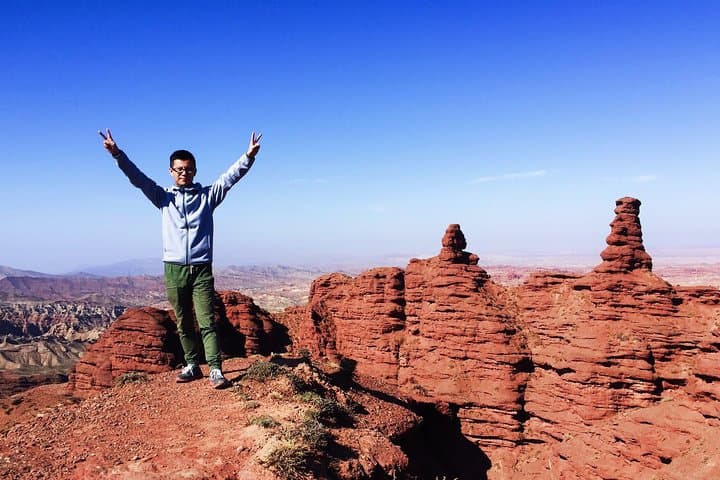
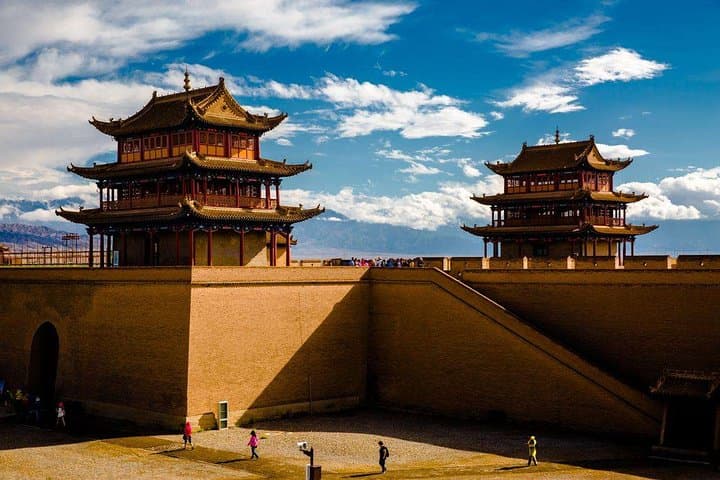
This six-day private circuit moves from Dunhuang’s singing sands and the mango of the Mogao Grottoes to Jiayuguan’s western Great Wall and Zhangye’s rainbow mountains. Travelers walk where Silk Road traders threaded jade and silk; they view cliff-carved Buddhist caves dating from the 4th–14th centuries and a Ming-era fort that marked imperial China’s edge. Geology reads like a field guide here — wind-swept dunes sculpted from Quaternary loess, and Danxia formations of red sandstone and mineral bands that exfoliate color with erosion and sunlight.
Culturally, the route stitches Han, Tibetan and Uyghur influences: temples that mix artistic vocabularies, night markets selling hand-pulled noodles and camel-saddle crafts, and locals who still trade mountain herbs and wool. Practical realities matter: drives of 3–5 hours punctuate each day, some sites require stair climbing (Pingshanhu Grand Canyon demands a descent and ascent), and desert days flip between hot sun and icy nights.
Pack layered clothing, a sun hat, sturdy footwear with good grip, and a refillable water bottle. Aim for early starts at key viewpoints and allow time for photography at Zhangye and the Mogao timed-entry system. With modest fitness and sensible planning, this private tour converts long distances into a compact, walkable history of the Silk Road.
moderate.
6 days.
Suitable for travelers with regular mobility — able to handle multiple hours of walking, stairs and short hikes; long drives between sites require patience.
Spring (April–June) and autumn (September–October) offer milder temperatures and clearer skies; summer can be hot and winter very cold with occasional snow at higher passes.
The itinerary lists entrance tickets as included for main sites, but extra activities like camel rides or sand-surfing are paid locally.
Expect several long drives: Day 3 includes a ~5-hour transfer to Jiayuguan (≈385 km) and other legs range from 1–3 hours between attractions.
The tour is private and flexible, but cave visits and the Pingshanhu Canyon involve stairs and uneven paths; it's not recommended for serious spinal or cardiovascular conditions.
This route follows core Silk Road corridors: Mogao’s caves recorded Buddhist exchange over a millennium, while Jiayuguan guarded the Ming Great Wall’s western terminus.
The desert and Danxia landforms are fragile — stay on designated paths, avoid littering and follow cave guidelines (no flash photography inside fragile murals). Support local businesses to help sustain communities.
happychinatours operates guided outdoor trips and adventures with an emphasis on safety, stewardship, and memorable experiences.
The desert light in Gansu arrives sharp and clean: dunes throw long shadows, the Danxia ridges glow like layered paint, and an air-conditioned car hums along a road that once carried caravans.
The desert light in Gansu arrives sharp and clean: dunes throw long shadows, the Danxia ridges glow like layered paint, and an air-conditioned car hums along a road that once carried caravans.
This six-day private circuit moves from Dunhuang’s singing sands and the mango of the Mogao Grottoes to Jiayuguan’s western Great Wall and Zhangye’s rainbow mountains. Travelers walk where Silk Road traders threaded jade and silk; they view cliff-carved Buddhist caves dating from the 4th–14th centuries and a Ming-era fort that marked imperial China’s edge. Geology reads like a field guide here — wind-swept dunes sculpted from Quaternary loess, and Danxia formations of red sandstone and mineral bands that exfoliate color with erosion and sunlight.
Culturally, the route stitches Han, Tibetan and Uyghur influences: temples that mix artistic vocabularies, night markets selling hand-pulled noodles and camel-saddle crafts, and locals who still trade mountain herbs and wool. Practical realities matter: drives of 3–5 hours punctuate each day, some sites require stair climbing (Pingshanhu Grand Canyon demands a descent and ascent), and desert days flip between hot sun and icy nights.
Pack layered clothing, a sun hat, sturdy footwear with good grip, and a refillable water bottle. Aim for early starts at key viewpoints and allow time for photography at Zhangye and the Mogao timed-entry system. With modest fitness and sensible planning, this private tour converts long distances into a compact, walkable history of the Silk Road.