THE ADVENTURE COLLECTIVE® · Independent discovery and booking for outdoor travel

A compact, private 3‑night tour linking Dunhuang’s Mogao Grottoes and the Mingsha Dunes with the Jiayuguan Fort on the Great Wall. Expect cave art, desert climbs, a soft‑sleeper train and clear practical steps to plan your trip.
A compact, private 3‑night tour linking Dunhuang’s Mogao Grottoes and the Mingsha Dunes with the Jiayuguan Fort on the Great Wall. Expect cave art, desert climbs, a soft‑sleeper train and clear practical steps to plan your trip.
Arrive in Dunhuang at dusk: wind pushes grit across the shoulder of the desert while the city lights flicker like a caravan of lanterns. The next morning the Mogao Grottoes open like chapters—ancient caves cut into the cliff, frescoes and statues holding the dim, cool air. By afternoon the Mingsha (Singing) Dunes loom, each slope daring you to climb and listen as sand sighs. A crescent-shaped spring sits improbably at the dune’s foot, steady where the desert tries to swallow it. The journey finishes on the iron-edged line of the Great Wall at Jiayuguan Fort, where Ming-era walls and watchtowers stand as a firm reply to the steppe beyond.
Verified experiences and guided adventures in the surrounding area.
Operated by China Adventure Travel Ltd · Dunhuang, Gansu
Arrive in Dunhuang at dusk: wind pushes grit across the shoulder of the desert while the city lights flicker like a caravan of lanterns. The next morning the Mogao Grottoes open like chapters—ancient caves cut into the cliff, frescoes and statues holding the dim, cool air. By afternoon the Mingsha (Singing) Dunes loom, each slope daring you to climb and listen as sand sighs. A crescent-shaped spring sits improbably at the dune’s foot, steady where the desert tries to swallow it. The journey finishes on the iron-edged line of the Great Wall at Jiayuguan Fort, where Ming-era walls and watchtowers stand as a firm reply to the steppe beyond.
This route threads Silk Road history—Buddhist art born of transcontinental trade, caravan routes shaped by wind and water, and the Ming defensive works that marked the empire’s edge. Geology is tactile here: wind-polished sandstone, shifting aeolian dunes, and an aquifer that feeds Crescent Spring despite relentless sand migration. Local culture is present in night markets and teahouses where Lanzhou-style noodles and millet cakes are served.
Practical guidance: allow time for guided cave interpretation at Mogao and respect photography rules; soft-sleeper train travel between Dunhuang and Jiayuguan gives a comfortable window to watch the landscape transform. Wear sturdy shoes for uneven cave steps and dune climbs, bring sun protection and a refillable water bottle, and plan morning or late-afternoon dune visits to avoid peak heat. Passports are required for booking; acclimate to dry conditions and travel prepared for dusty winds.
easy.
4 days.
Light to moderate fitness; involves walking on uneven cave steps and a moderate dune climb—suitable for most travelers
Visitors to China must hold a valid visa if required by their nationality; confirm entry requirements well before travel.
Yes—this itinerary includes admission to Mogao Grottoes; special cave access is guided per site regulations.
Dune walks are moderate—climbing a slope can be aerobic; camel rides are optional and low effort but may be bumpy.
The tour provides a professional guide; confirm language capability at booking if you require a specific language.
Dunhuang was a major Silk Road hub; Mogao Grottoes preserve Buddhist art spanning a millennium while Jiayuguan Fort marks the western terminus of the Ming Great Wall.
Mogao’s caves are strictly managed to limit visitor impact and control humidity; avoid stray hiking in dunes and pack out waste to protect fragile desert ecosystems.
China Adventure Travel Ltd operates guided outdoor trips and adventures with an emphasis on safety, stewardship, and memorable experiences.
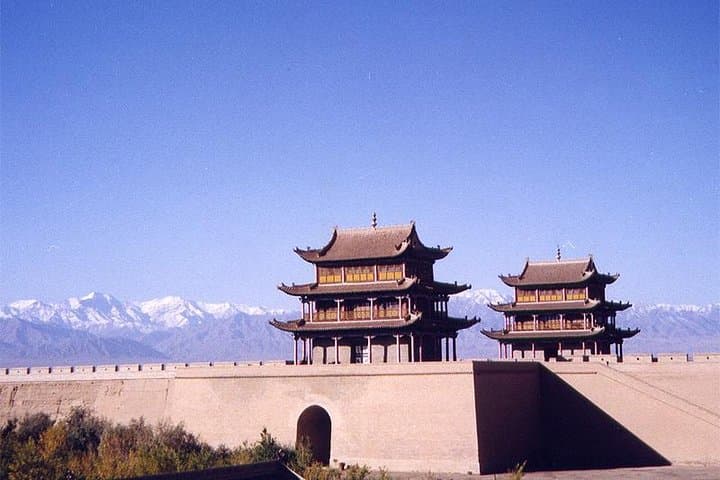
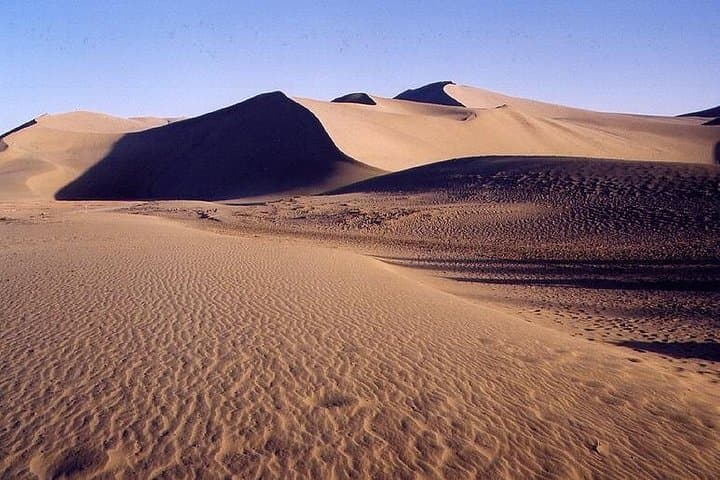
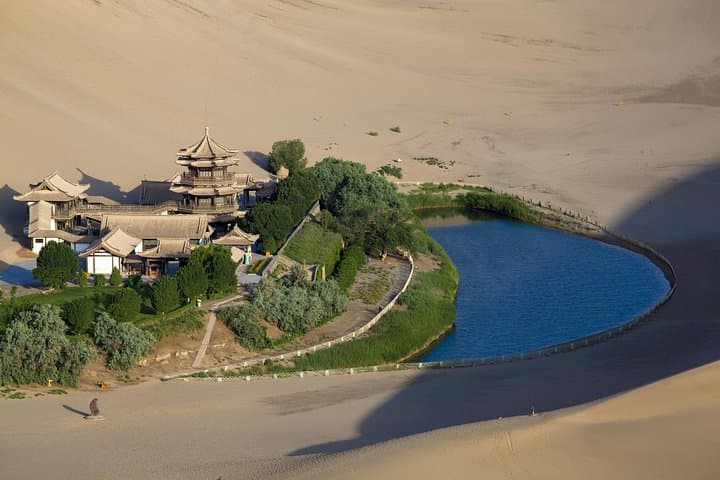
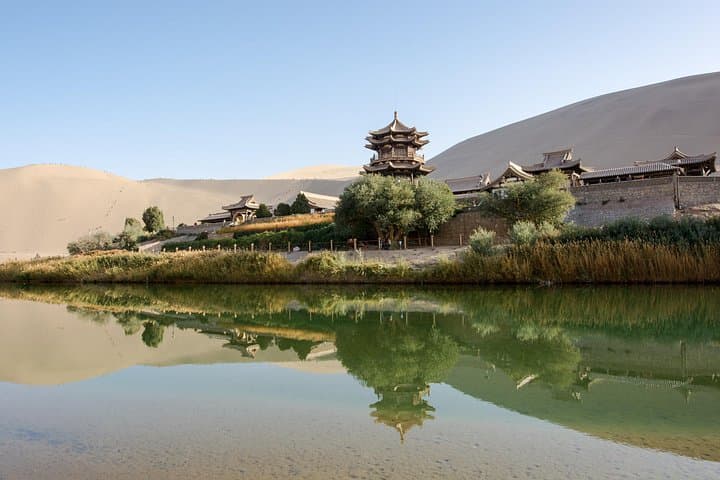
Arrive in Dunhuang at dusk: wind pushes grit across the shoulder of the desert while the city lights flicker like a caravan of lanterns. The next morning the Mogao Grottoes open like chapters—ancient caves cut into the cliff, frescoes and statues holding the dim, cool air. By afternoon the Mingsha (Singing) Dunes loom, each slope daring you to climb and listen as sand sighs. A crescent-shaped spring sits improbably at the dune’s foot, steady where the desert tries to swallow it. The journey finishes on the iron-edged line of the Great Wall at Jiayuguan Fort, where Ming-era walls and watchtowers stand as a firm reply to the steppe beyond.
Arrive in Dunhuang at dusk: wind pushes grit across the shoulder of the desert while the city lights flicker like a caravan of lanterns. The next morning the Mogao Grottoes open like chapters—ancient caves cut into the cliff, frescoes and statues holding the dim, cool air. By afternoon the Mingsha (Singing) Dunes loom, each slope daring you to climb and listen as sand sighs. A crescent-shaped spring sits improbably at the dune’s foot, steady where the desert tries to swallow it. The journey finishes on the iron-edged line of the Great Wall at Jiayuguan Fort, where Ming-era walls and watchtowers stand as a firm reply to the steppe beyond.
This route threads Silk Road history—Buddhist art born of transcontinental trade, caravan routes shaped by wind and water, and the Ming defensive works that marked the empire’s edge. Geology is tactile here: wind-polished sandstone, shifting aeolian dunes, and an aquifer that feeds Crescent Spring despite relentless sand migration. Local culture is present in night markets and teahouses where Lanzhou-style noodles and millet cakes are served.
Practical guidance: allow time for guided cave interpretation at Mogao and respect photography rules; soft-sleeper train travel between Dunhuang and Jiayuguan gives a comfortable window to watch the landscape transform. Wear sturdy shoes for uneven cave steps and dune climbs, bring sun protection and a refillable water bottle, and plan morning or late-afternoon dune visits to avoid peak heat. Passports are required for booking; acclimate to dry conditions and travel prepared for dusty winds.