THE ADVENTURE COLLECTIVE® · Independent discovery and booking for outdoor travel

Drive through the birthplace of modern tech on an app-led, private tour that puts Stanford, Google, Apple Park and the HP Garage at your fingertips. Tailor your stops, pause for photos, and learn local history while staying in control of the route.
Drive through the birthplace of modern tech on an app-led, private tour that puts Stanford, Google, Apple Park and the HP Garage at your fingertips. Tailor your stops, pause for photos, and learn local history while staying in control of the route.
You roll past eucalyptus and low foothills as glass campuses and mid-century hangars appear on the horizon—the road through Silicon Valley is a lesson in scale: small garages turned global firms, modern auditoriums and austere research labs. This app-led driving tour hands you the controls: a curated route on your phone, commentary from a local guide, and the freedom to pause at Stanford’s quad, photo-stop by Google’s Android sculptures, or linger at the Apple Park Visitor Center.
Verified experiences and guided adventures in the surrounding area.
Operated by Pintours · Palo Alto, California
You roll past eucalyptus and low foothills as glass campuses and mid-century hangars appear on the horizon—the road through Silicon Valley is a lesson in scale: small garages turned global firms, modern auditoriums and austere research labs. This app-led driving tour hands you the controls: a curated route on your phone, commentary from a local guide, and the freedom to pause at Stanford’s quad, photo-stop by Google’s Android sculptures, or linger at the Apple Park Visitor Center.
Geology here is gentle—rolling sedimentary hills carved by ancient rivers feeding the South Bay, with marshes that once fed orchards and are now buffered by levees. Culturally, you’ll move between neighborhoods shaped by immigrant engineers, wartime manufacturing, and postwar entrepreneurship; the HP Garage and early Menlo Park labs are as much part of the story as modern campuses.
Expect a mostly paved, low-effort day—the activity is driving with short walks at viewpoints and plazas. Plan your sequence to avoid weekday commute windows: mid-morning or late afternoon reduces congestion and gives better light for photos. Bring a fully charged phone and a phone mount for hands-free navigation, and respect private property and campus rules when stopping.
Practical tips: download the Pintours app before you start, carry a power bank, and allow 1–3 hours depending on stops. Bathrooms and cafés cluster around major visitor centers; some campuses restrict walking past security. This is a self-directed urban exploration that rewards curiosity—pull over where history meets the present and let the route teach you why a farming valley became the engine of modern tech.
easy.
1–3 hours.
Minimal physical exertion; participants should be able to walk short distances (5–20 minutes) and stand for photos.
Most corporate campuses allow views from public sidewalks and visitor centers, but interior access is restricted; check each campus’s visitor policies before planning indoor stops.
The tour is app-led and works for self-driving; some bookings offer a driver depending on options—confirm at booking if you prefer a chauffeured option.
Allow 1–3 hours depending on how many stops you make; pausing for coffee or extended visits at Stanford or Apple Park can extend the outing.
Yes—physically easy with short walks; note that infants must sit on laps per the operator and some campuses are crowded on weekends.
Silicon Valley evolved from fruit orchards and aeronautical testing grounds into a technology cluster after wartime manufacturing and postwar university-industry collaboration spurred startups like HP and later major firms.
Wetlands restoration around the South Bay and shoreline protect bird habitat and provide flood buffers; visitors should avoid trampling salt marsh edges and prefer designated parking to reduce habitat disturbance.
Pintours operates guided outdoor trips and adventures with an emphasis on safety, stewardship, and memorable experiences.
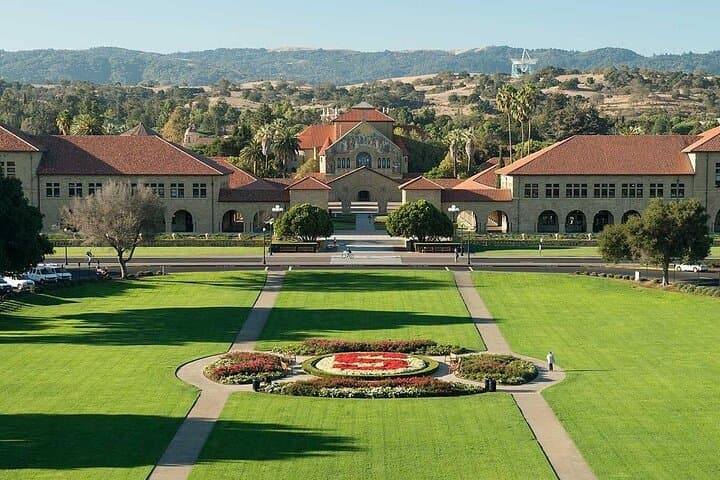
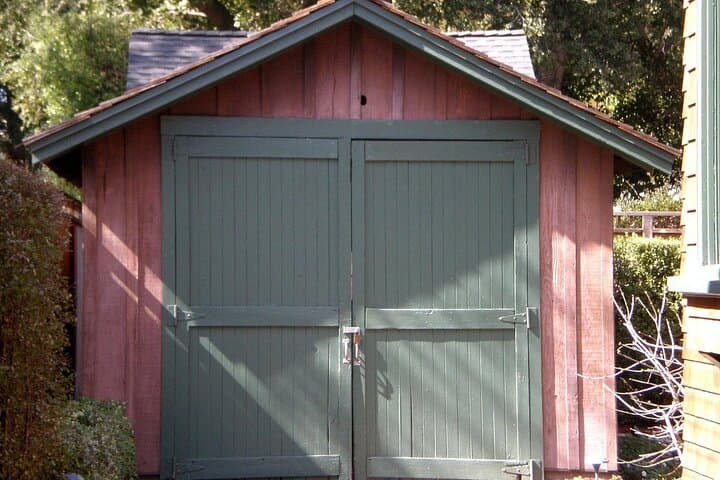


You roll past eucalyptus and low foothills as glass campuses and mid-century hangars appear on the horizon—the road through Silicon Valley is a lesson in scale: small garages turned global firms, modern auditoriums and austere research labs. This app-led driving tour hands you the controls: a curated route on your phone, commentary from a local guide, and the freedom to pause at Stanford’s quad, photo-stop by Google’s Android sculptures, or linger at the Apple Park Visitor Center.
You roll past eucalyptus and low foothills as glass campuses and mid-century hangars appear on the horizon—the road through Silicon Valley is a lesson in scale: small garages turned global firms, modern auditoriums and austere research labs. This app-led driving tour hands you the controls: a curated route on your phone, commentary from a local guide, and the freedom to pause at Stanford’s quad, photo-stop by Google’s Android sculptures, or linger at the Apple Park Visitor Center.
Geology here is gentle—rolling sedimentary hills carved by ancient rivers feeding the South Bay, with marshes that once fed orchards and are now buffered by levees. Culturally, you’ll move between neighborhoods shaped by immigrant engineers, wartime manufacturing, and postwar entrepreneurship; the HP Garage and early Menlo Park labs are as much part of the story as modern campuses.
Expect a mostly paved, low-effort day—the activity is driving with short walks at viewpoints and plazas. Plan your sequence to avoid weekday commute windows: mid-morning or late afternoon reduces congestion and gives better light for photos. Bring a fully charged phone and a phone mount for hands-free navigation, and respect private property and campus rules when stopping.
Practical tips: download the Pintours app before you start, carry a power bank, and allow 1–3 hours depending on stops. Bathrooms and cafés cluster around major visitor centers; some campuses restrict walking past security. This is a self-directed urban exploration that rewards curiosity—pull over where history meets the present and let the route teach you why a farming valley became the engine of modern tech.