THE ADVENTURE COLLECTIVE® · Independent discovery and booking for outdoor travel

Float between two continents in crystal-clear glacial water on a private Silfra snorkel. Small-group guides, full suits, and underwater photos make this a high-impact, low-effort Arctic experience.
Float between two continents in crystal-clear glacial water on a private Silfra snorkel. Small-group guides, full suits, and underwater photos make this a high-impact, low-effort Arctic experience.
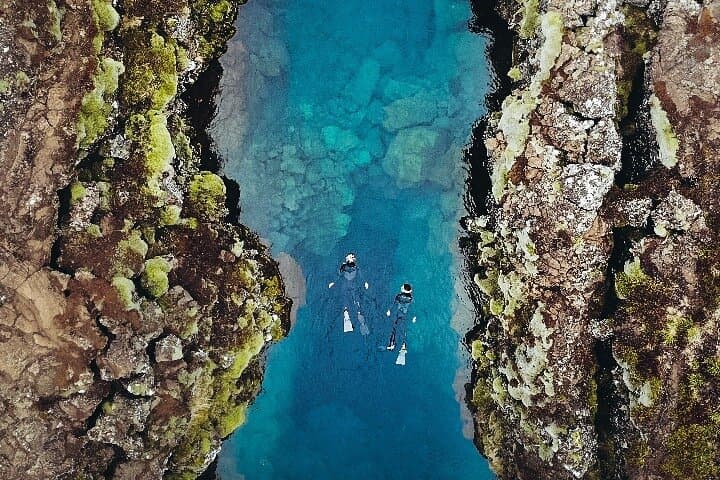
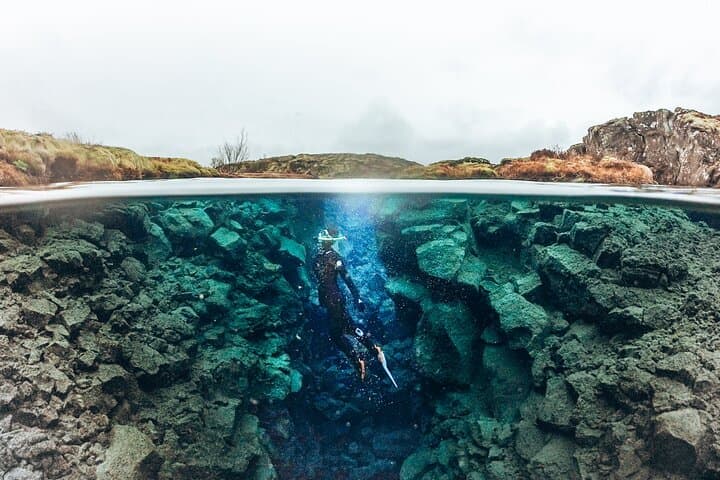
The cold hits first as you step from the black lavabed toward a slit in the earth where water moves like glass. Bright air and glacier-fed clarity meet in Silfra, the fissure that threads Þingvellir National Park — a place where tectonic plates pull apart and light pours through water almost as if someone scoured it clean.
Verified experiences and guided adventures in the surrounding area.
Operated by Adventure Vikings · Reykjavík, Capital Region
The cold hits first as you step from the black lavabed toward a slit in the earth where water moves like glass. Bright air and glacier-fed clarity meet in Silfra, the fissure that threads Þingvellir National Park — a place where tectonic plates pull apart and light pours through water almost as if someone scoured it clean.
Geology here is immediate: Silfra sits in the rift between the North American and Eurasian plates, fed by meltwater filtered through porous lava for decades. The same valley hosted Iceland’s Alþingi, the open-air parliament founded in 930 AD, and cultural history hums along the shoreline in the low cliffs and rock benches.
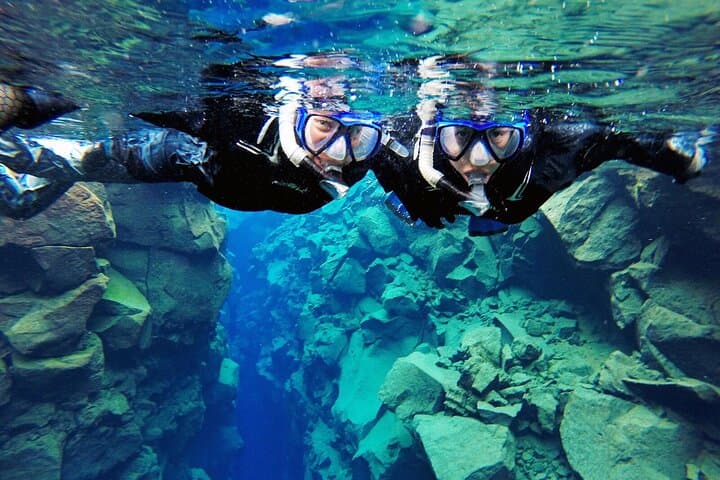
On a guided private snorkel, participants spend about 30–40 minutes in the water inside a 2–4°C environment wearing a drysuit or wetsuit, with visibility often exceeding 80–100 meters. Guides brief on safety, body positioning, and how to glide through the crack that seems to pull you between continents: a slow, controlled drift rather than a swim.
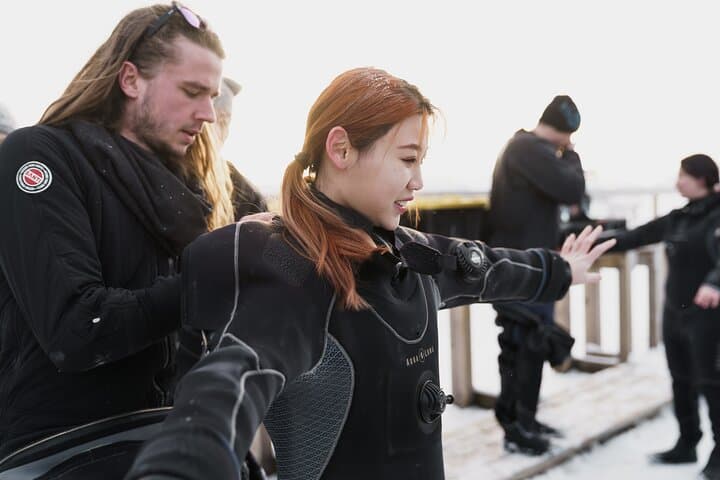
Practicalities matter more than flair. Arrive layered, bring contact lenses or a prescription mask, and expect to change quickly after the session; guides provide suits, masks, and underwater photos. Groups are small by design — the park and operators limit numbers to protect the fragile environment and to ensure an attentive guide-to-guest ratio.
For travelers, this is a compact, high-impact outdoor experience: minimal exertion, maximal sensory clarity, and a rare chance to move literally between tectonic plates while staying warm inside a protective suit.
moderate.
2–3 hours.
Suitable for people in good basic fitness who can swim and tolerate cold exposure; not suitable for those with serious cardiovascular or spinal issues.
Silfra water is typically 2–4°C; actual time in the water is about 30–40 minutes, within a total activity window of roughly 2–3 hours including briefing and gear.
You should be comfortable in open water and able to swim; the experience requires basic swimming and following guide instructions rather than advanced dive skills.
Underwater photos are included with this private option—guides or instructors will capture shots during your snorkel and provide them afterward.
People with serious heart or spinal conditions, pregnant travelers, and those outside the provided size/weight limits should not participate; participants over 65 need physician approval.
Þingvellir was the site of Iceland’s Alþingi from 930 AD and is a UNESCO World Heritage site; the rift valley records ongoing plate tectonics in plain sight.
Þingvellir National Park enforces strict rules to protect water purity and mossy lava fields—stay on paths, use only provided equipment, and follow guide instructions to minimize impact.
Adventure Vikings operates guided outdoor trips and adventures with an emphasis on safety, stewardship, and memorable experiences.
The cold hits first as you step from the black lavabed toward a slit in the earth where water moves like glass. Bright air and glacier-fed clarity meet in Silfra, the fissure that threads Þingvellir National Park — a place where tectonic plates pull apart and light pours through water almost as if someone scoured it clean.
The cold hits first as you step from the black lavabed toward a slit in the earth where water moves like glass. Bright air and glacier-fed clarity meet in Silfra, the fissure that threads Þingvellir National Park — a place where tectonic plates pull apart and light pours through water almost as if someone scoured it clean.
Geology here is immediate: Silfra sits in the rift between the North American and Eurasian plates, fed by meltwater filtered through porous lava for decades. The same valley hosted Iceland’s Alþingi, the open-air parliament founded in 930 AD, and cultural history hums along the shoreline in the low cliffs and rock benches.
On a guided private snorkel, participants spend about 30–40 minutes in the water inside a 2–4°C environment wearing a drysuit or wetsuit, with visibility often exceeding 80–100 meters. Guides brief on safety, body positioning, and how to glide through the crack that seems to pull you between continents: a slow, controlled drift rather than a swim.
Practicalities matter more than flair. Arrive layered, bring contact lenses or a prescription mask, and expect to change quickly after the session; guides provide suits, masks, and underwater photos. Groups are small by design — the park and operators limit numbers to protect the fragile environment and to ensure an attentive guide-to-guest ratio.
For travelers, this is a compact, high-impact outdoor experience: minimal exertion, maximal sensory clarity, and a rare chance to move literally between tectonic plates while staying warm inside a protective suit.