THE ADVENTURE COLLECTIVE® · Independent discovery and booking for outdoor travel

Dive the unique Silfra fissure in Thingvellir National Park: crystal-clear, lava-filtered water between two tectonic plates. This guided drysuit dive includes pickup from Reykjavik and a heated changing van.
Dive the unique Silfra fissure in Thingvellir National Park: crystal-clear, lava-filtered water between two tectonic plates. This guided drysuit dive includes pickup from Reykjavik and a heated changing van.
You step out of the heated van into a slab of Icelandic air, the ground underfoot rigid with volcanic memory. The path to Silfra is five minutes—short, direct—yet the fissure ahead feels like a cut through geological time. The water is a glass so clear it gives the sky new depth; light passes through lava-filtered meltwater, revealing crevices and suspended silts as if under a cathedral dome.
Verified experiences and guided adventures in the surrounding area.
Operated by DIVE.IS - The Sport Diving School of Iceland · Thingvellir / Reykjavik, Capital Region
You step out of the heated van into a slab of Icelandic air, the ground underfoot rigid with volcanic memory. The path to Silfra is five minutes—short, direct—yet the fissure ahead feels like a cut through geological time. The water is a glass so clear it gives the sky new depth; light passes through lava-filtered meltwater, revealing crevices and suspended silts as if under a cathedral dome.
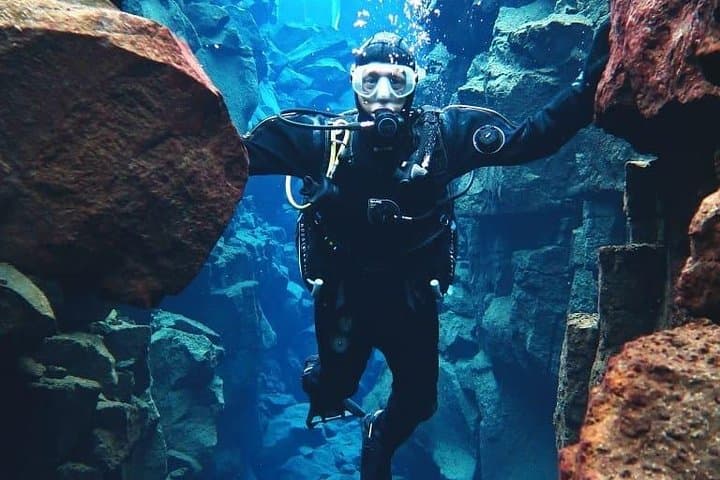
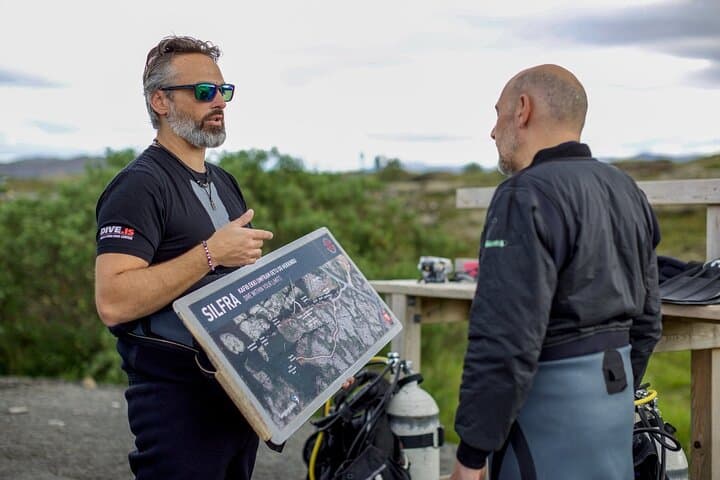
Thingvellir sits where the North American and Eurasian plates drift apart; the rift valley is both a geological fault and a cultural landmark where Icelandic parliament met in the 10th century. Silfra’s underwater visibility regularly exceeds 100 meters, and divers travel through four named sections—the Big Crack, Silfra Hall, Silfra Cathedral and Silfra Lagoon—each with distinct widths and currents.
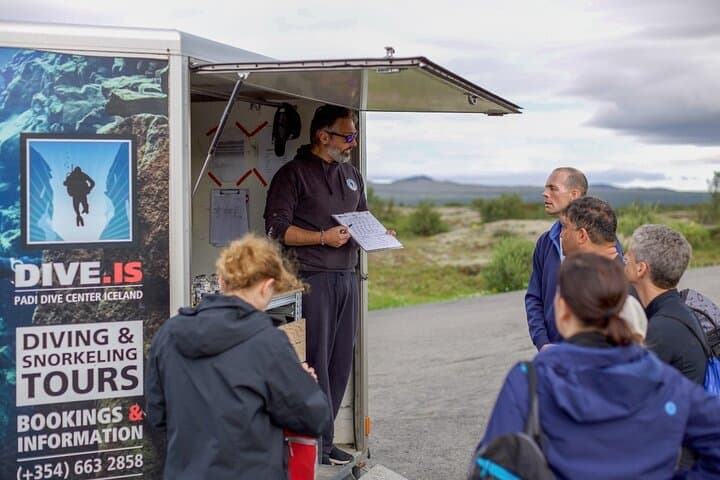
Practicalities shape the experience. The full outing runs about 5–6 hours, including a 45-minute drive from Reykjavik, a one-hour briefing and gearing up, then a 30–45 minute dive. Participants must be certified drysuit divers with recent logged dives and be physically fit; operators provide drysuits, regulators and a heated changing van. Expect tight-fitting neoprene layers beneath the suit, thick socks, and hot chocolate after the dive.
For photographers, the light is immaculate but battery life and condensation are challenges; for the cautious, touch the two continents briefly and surface to warm layers. Plan for weather variability, allow extra time for the park’s protections and entrance fee, and remember that this is a fragile, UNESCO-protected landscape—leave no trace and follow your guide’s instructions.
challenging.
5–6 hours.
Good cardio and general strength; comfortable swimming ability and ability to handle cold-water immersion required
Yes—participants must hold a drysuit diving certification (or equivalent) and have recent logged drysuit dives or instructor-signed proof.
The guided dive itself is typically 30–45 minutes, though total time at the site for gearing and briefing is longer.
Yes—operators supply all necessary diving gear, including drysuits and warm undersuits; you should still bring appropriate base layers.
Silfra is about a 40–50 minute drive from central Reykjavik; the full tour including transfer, briefing and dive runs roughly 5–6 hours.
Thingvellir was the site of Iceland’s Alþingi (parliament) from 930 AD and plays a central role in national identity; the rift itself marks the plate boundary.
Silfra lies within a UNESCO-listed national park with strict access controls and permit systems; stick to designated paths and follow guide instructions to protect fragile moss and aquatic systems.
DIVE.IS - The Sport Diving School of Iceland operates guided outdoor trips and adventures with an emphasis on safety, stewardship, and memorable experiences.
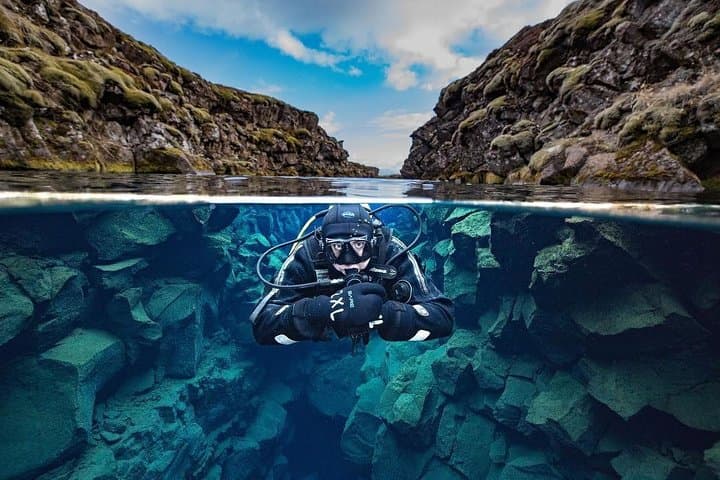
You step out of the heated van into a slab of Icelandic air, the ground underfoot rigid with volcanic memory. The path to Silfra is five minutes—short, direct—yet the fissure ahead feels like a cut through geological time. The water is a glass so clear it gives the sky new depth; light passes through lava-filtered meltwater, revealing crevices and suspended silts as if under a cathedral dome.
You step out of the heated van into a slab of Icelandic air, the ground underfoot rigid with volcanic memory. The path to Silfra is five minutes—short, direct—yet the fissure ahead feels like a cut through geological time. The water is a glass so clear it gives the sky new depth; light passes through lava-filtered meltwater, revealing crevices and suspended silts as if under a cathedral dome.
Thingvellir sits where the North American and Eurasian plates drift apart; the rift valley is both a geological fault and a cultural landmark where Icelandic parliament met in the 10th century. Silfra’s underwater visibility regularly exceeds 100 meters, and divers travel through four named sections—the Big Crack, Silfra Hall, Silfra Cathedral and Silfra Lagoon—each with distinct widths and currents.
Practicalities shape the experience. The full outing runs about 5–6 hours, including a 45-minute drive from Reykjavik, a one-hour briefing and gearing up, then a 30–45 minute dive. Participants must be certified drysuit divers with recent logged dives and be physically fit; operators provide drysuits, regulators and a heated changing van. Expect tight-fitting neoprene layers beneath the suit, thick socks, and hot chocolate after the dive.
For photographers, the light is immaculate but battery life and condensation are challenges; for the cautious, touch the two continents briefly and surface to warm layers. Plan for weather variability, allow extra time for the park’s protections and entrance fee, and remember that this is a fragile, UNESCO-protected landscape—leave no trace and follow your guide’s instructions.