THE ADVENTURE COLLECTIVE® · Independent discovery and booking for outdoor travel

Start high on the Shira Plateau and head away from the crowds: the Northern Circuit is an 11-day, low-traffic Kilimanjaro route that prioritizes acclimatization and expansive plateau scenery. Expect varied terrain, long days, and strong guide support.
Start high on the Shira Plateau and head away from the crowds: the Northern Circuit is an 11-day, low-traffic Kilimanjaro route that prioritizes acclimatization and expansive plateau scenery. Expect varied terrain, long days, and strong guide support.
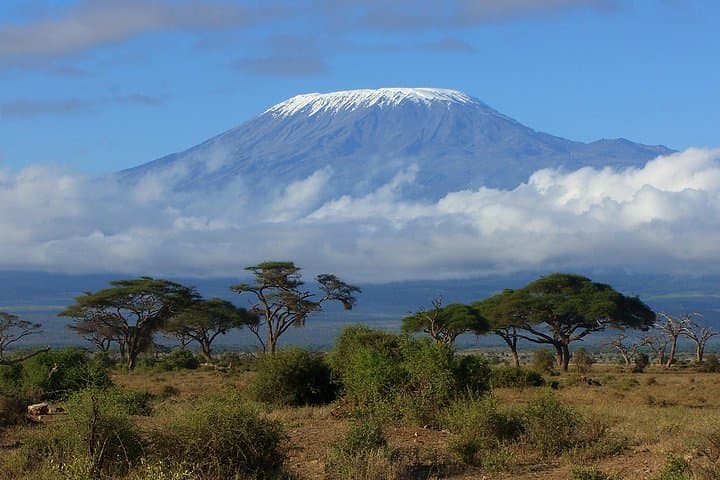
At first light the Shira Plateau opens like a hard-won map: wind-swept grass, a ribbon of trail, and Kibo’s white crown pushing above the clouds.
Verified experiences and guided adventures in the surrounding area.
Operated by ZARA TOURS · Moshi, Kilimanjaro Region
At first light the Shira Plateau opens like a hard-won map: wind-swept grass, a ribbon of trail, and Kibo’s white crown pushing above the clouds.
This Northern Circuit route starts high and stays remote, threading across Shira’s broad upland at roughly 12,500 ft (3,800 m) before swinging northeast toward Moir Camp. Geologically Kilimanjaro is a dormant volcanic massif made of three cones—Kibo, Mawenzi and Shira—so terrain moves from montane forest to heather moorland, then to alpine desert near the summit. The Chagga people have lived on these slopes for centuries; modern climbs now run with trained guides and porters who manage camps and logistics.
Expect long days on varied footing: mellow forest approaches, tussock and shale on the plateau, and thin air above 4,000 m that enforces slow steps. The Northern Circuit deliberately lengthens acclimatization—ideal for minimizing acute altitude effects—but summit success still relies on conservative pacing, hydration and steady sleeping habits. Oximeters and rescue fees are available or included in many packages; permits and national park gate fees are mandatory.
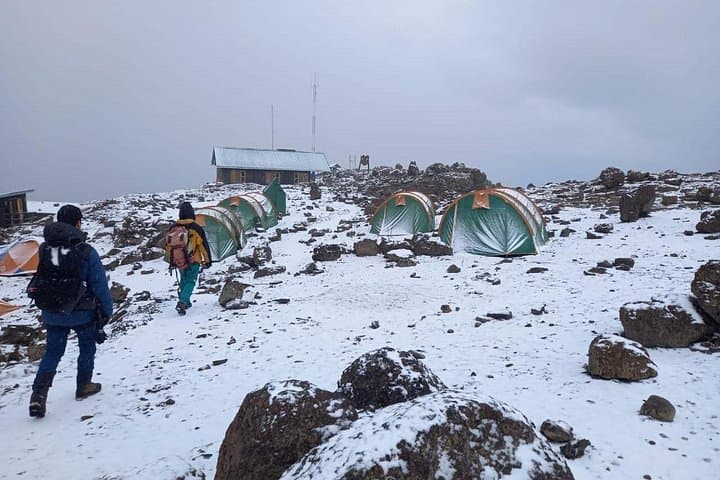
Practically: pack layered insulation for sub-zero nights, a sleeping bag rated for at least -10°C, quality mountaineering boots, and a personal water system filtered or treated with purification tablets. Summit attempts typically target Uhuru Peak at 5,895 m in a predawn push; summit day is long and cold. Respect porter load limits, tip fairly, and plan for variable weather—dry-season windows (June–October and December–February) offer the most stable conditions. The Northern Circuit rewards patience: fewer crowds, broader views, and a quieter path to Africa’s roof.
challenging.
10–12 days.
Good aerobic base with multi-day trekking experience; able to hike 6–8 hours/day at increasing altitude.
Most operators run an 11-day schedule that starts on the Shira Plateau to maximize acclimatization and route variation.
No technical climbing is required; the route is high-altitude trekking rather than technical mountaineering.
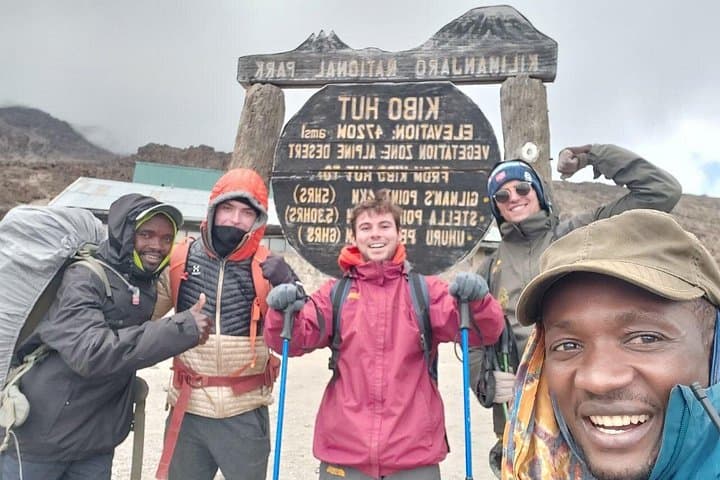
Summit attempts reach Uhuru Peak at 5,895 m (19,341 ft); base and camp elevations range from ~1,200 m near Moshi up to the Shira Plateau (~3,800 m) and higher.
National Park gate fees and rescue fees are typically required and often included in organized packages—confirm with your operator before booking.
Kilimanjaro is a volcanic massif formed from three cones—Shira, Mawenzi and Kibo—and has been home to Chagga agricultural communities for centuries.
The mountain is protected as a national park; stick to marked trails, pack out waste where required, and support ethical porter practices to minimize local impact.
ZARA TOURS operates guided outdoor trips and adventures with an emphasis on safety, stewardship, and memorable experiences.
At first light the Shira Plateau opens like a hard-won map: wind-swept grass, a ribbon of trail, and Kibo’s white crown pushing above the clouds.
At first light the Shira Plateau opens like a hard-won map: wind-swept grass, a ribbon of trail, and Kibo’s white crown pushing above the clouds.
This Northern Circuit route starts high and stays remote, threading across Shira’s broad upland at roughly 12,500 ft (3,800 m) before swinging northeast toward Moir Camp. Geologically Kilimanjaro is a dormant volcanic massif made of three cones—Kibo, Mawenzi and Shira—so terrain moves from montane forest to heather moorland, then to alpine desert near the summit. The Chagga people have lived on these slopes for centuries; modern climbs now run with trained guides and porters who manage camps and logistics.
Expect long days on varied footing: mellow forest approaches, tussock and shale on the plateau, and thin air above 4,000 m that enforces slow steps. The Northern Circuit deliberately lengthens acclimatization—ideal for minimizing acute altitude effects—but summit success still relies on conservative pacing, hydration and steady sleeping habits. Oximeters and rescue fees are available or included in many packages; permits and national park gate fees are mandatory.
Practically: pack layered insulation for sub-zero nights, a sleeping bag rated for at least -10°C, quality mountaineering boots, and a personal water system filtered or treated with purification tablets. Summit attempts typically target Uhuru Peak at 5,895 m in a predawn push; summit day is long and cold. Respect porter load limits, tip fairly, and plan for variable weather—dry-season windows (June–October and December–February) offer the most stable conditions. The Northern Circuit rewards patience: fewer crowds, broader views, and a quieter path to Africa’s roof.