THE ADVENTURE COLLECTIVE® · Independent discovery and booking for outdoor travel

Board an electric, silent boat from Húsavík and glide into Skjálfandi Bay on a carbon-neutral whale watching trip. This three-hour tour focuses on low-impact encounters with humpbacks, minkes and dolphins guided by trained naturalists.
Board an electric, silent boat from Húsavík and glide into Skjálfandi Bay on a carbon-neutral whale watching trip. This three-hour tour focuses on low-impact encounters with humpbacks, minkes and dolphins guided by trained naturalists.
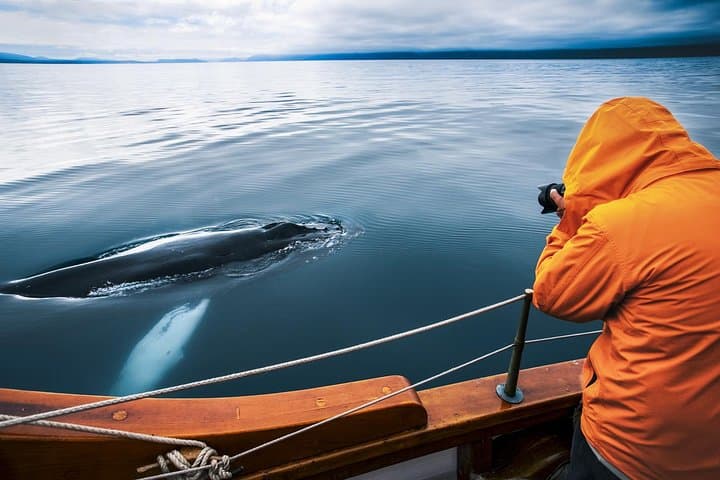
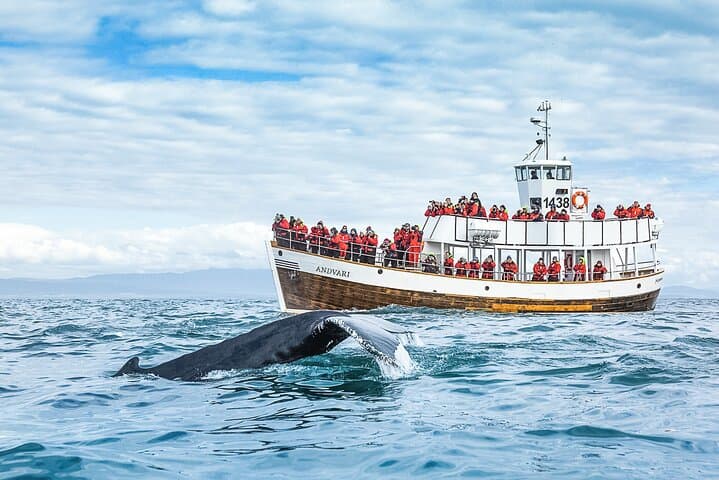
A cold wind pushes across Skjálfandi Bay and the Andvari slips away from Húsavík's small harbor with barely a sound. The electric vessel cuts through glassy water; gulls wheel and the town’s wooden houses shrink behind you as the captain points to a dark back rising and falling in the swell.
Verified experiences and guided adventures in the surrounding area.
Operated by North Sailing · Húsavík, Northeast Region
A cold wind pushes across Skjálfandi Bay and the Andvari slips away from Húsavík's small harbor with barely a sound. The electric vessel cuts through glassy water; gulls wheel and the town’s wooden houses shrink behind you as the captain points to a dark back rising and falling in the swell.
Húsavík earned its reputation as Iceland’s whale-watching capital from decades of boats leaving this sheltered bay where deep water meets productive currents. Geologically, Skjálfandi sits on the edge of the North Atlantic rift system and the Tjörnes peninsula’s fossil-rich cliffs tell of repeated volcanic and marine change. Culturally the town is fishing-first, now curating marine life through the Whale Museum and local guides who traded harpoons for hydrophones and conservation training.
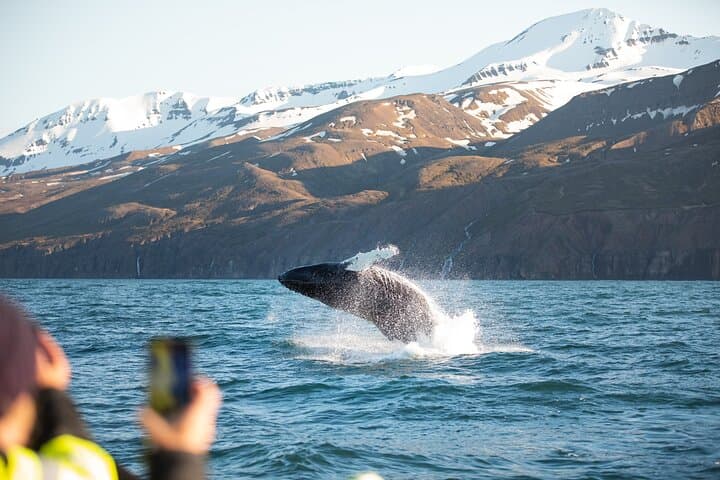
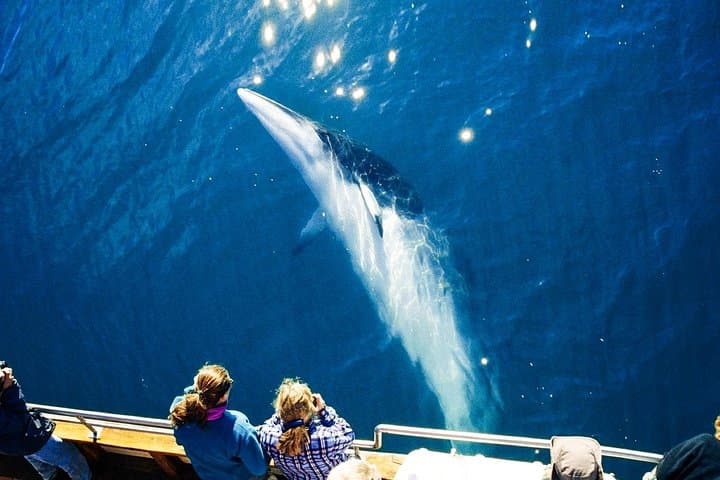
On this three-hour outing you’ll look for humpbacks, minkes and playful white-beaked dolphins; the quiet, electric Andvari is designed to reduce disturbance so animals often stay curious. Expect sea spray, wide horizons and close encounters guided by crew trained in responsible behavior. Light refreshments are provided and the operator notes wheelchair access and infant policies—dress for wind and sudden weather shifts.
Practicalities: bring layers, waterproof outerwear and motion-sickness prevention; binoculars and a camera with a zoom lens help. Peak sightings are generally late spring through summer, but experienced naturalists run trips most of the year. Book ahead in high season, arrive early to check boarding and remember the tour’s conservation-first approach: observe quietly, leave no trace, and let the bay set the pace.
easy.
3 hours.
Suitable for most fitness levels; standing and short stair access on/off the vessel recommended.
No—sightings are common but never guaranteed; guides maximize chances by using local knowledge and quiet approach techniques.
The tour runs approximately three hours from boarding to return to Húsavík harbor.
Yes—infants must sit on an adult’s lap and the vessel has space for families; crew will advise on safety.
The tour operator lists the vessel as wheelchair accessible but contact them ahead to confirm boarding arrangements and any assistance needed.
Húsavík shifted from a whaling and fishing economy to tourism and conservation over the past decades; the Whale Museum documents that transformation.
The tour operates a silent electric boat and emphasizes minimal disturbance; visitors are encouraged to follow guidelines to protect feeding and breeding whales.
North Sailing operates guided outdoor trips and adventures with an emphasis on safety, stewardship, and memorable experiences.
A cold wind pushes across Skjálfandi Bay and the Andvari slips away from Húsavík's small harbor with barely a sound. The electric vessel cuts through glassy water; gulls wheel and the town’s wooden houses shrink behind you as the captain points to a dark back rising and falling in the swell.
A cold wind pushes across Skjálfandi Bay and the Andvari slips away from Húsavík's small harbor with barely a sound. The electric vessel cuts through glassy water; gulls wheel and the town’s wooden houses shrink behind you as the captain points to a dark back rising and falling in the swell.
Húsavík earned its reputation as Iceland’s whale-watching capital from decades of boats leaving this sheltered bay where deep water meets productive currents. Geologically, Skjálfandi sits on the edge of the North Atlantic rift system and the Tjörnes peninsula’s fossil-rich cliffs tell of repeated volcanic and marine change. Culturally the town is fishing-first, now curating marine life through the Whale Museum and local guides who traded harpoons for hydrophones and conservation training.
On this three-hour outing you’ll look for humpbacks, minkes and playful white-beaked dolphins; the quiet, electric Andvari is designed to reduce disturbance so animals often stay curious. Expect sea spray, wide horizons and close encounters guided by crew trained in responsible behavior. Light refreshments are provided and the operator notes wheelchair access and infant policies—dress for wind and sudden weather shifts.
Practicalities: bring layers, waterproof outerwear and motion-sickness prevention; binoculars and a camera with a zoom lens help. Peak sightings are generally late spring through summer, but experienced naturalists run trips most of the year. Book ahead in high season, arrive early to check boarding and remember the tour’s conservation-first approach: observe quietly, leave no trace, and let the bay set the pace.