THE ADVENTURE COLLECTIVE® · Independent discovery and booking for outdoor travel

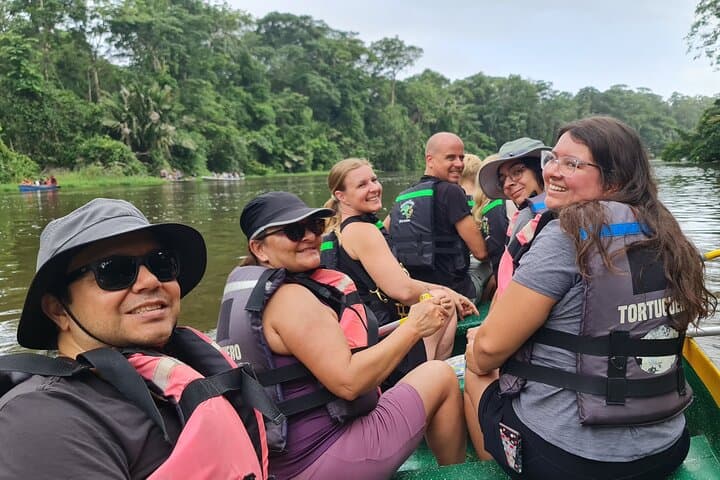
Glide silently through Tortuguero’s canals with a local naturalist guiding your canoe. This 2.5–3 hour ecological tour maximizes wildlife viewing with minimal impact — perfect for birders and calm-water explorers.
Glide silently through Tortuguero’s canals with a local naturalist guiding your canoe. This 2.5–3 hour ecological tour maximizes wildlife viewing with minimal impact — perfect for birders and calm-water explorers.
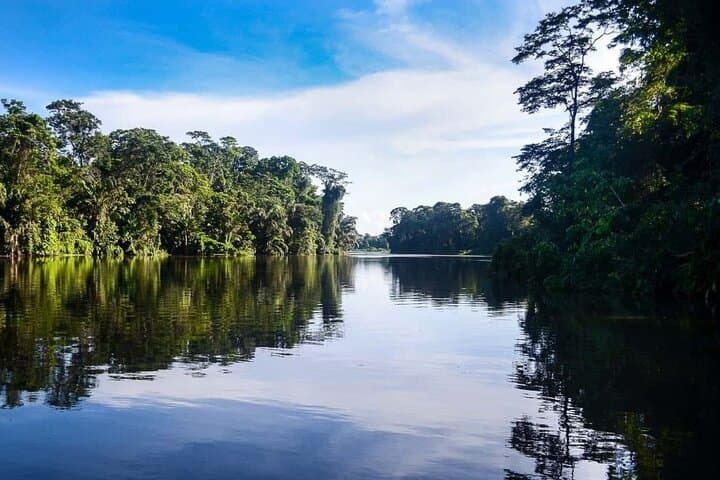
Dawn on Tortuguero arrives as a thin, green light sliding across the canal. The canoe slips forward with nothing but the guide’s rhythmic strokes and the high, metallic calls of herons. Mist clings to mangrove roots; a howler monkey’s low throat announces territory upriver. This is a quiet way to meet the rainforest — close to the water, small in a large landscape.
Verified experiences and guided adventures in the surrounding area.
Operated by Tortuguero Life Tours · Tortuguero, Limón
Dawn on Tortuguero arrives as a thin, green light sliding across the canal. The canoe slips forward with nothing but the guide’s rhythmic strokes and the high, metallic calls of herons. Mist clings to mangrove roots; a howler monkey’s low throat announces territory upriver. This is a quiet way to meet the rainforest — close to the water, small in a large landscape.
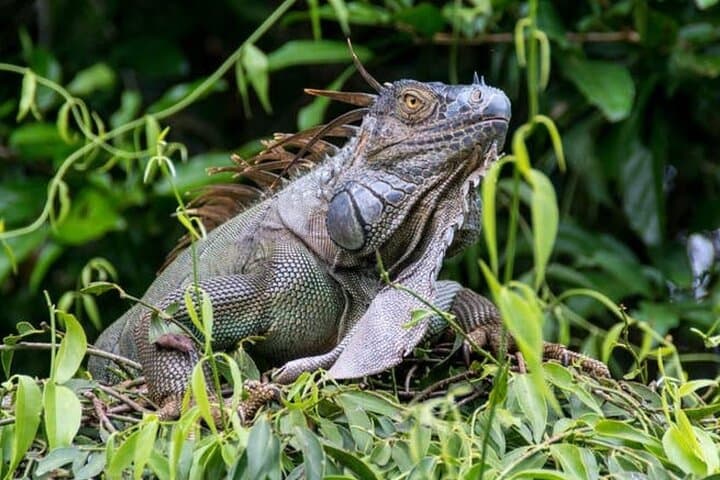
Tortuguero National Park sits on Costa Rica’s Caribbean lowlands, a maze of canals carved by tides, sediment and decades of mangrove growth. The park is best known for its sea turtle nesting, but the canal systems host freshwater lagoons, small islands and a food web that supports caimans, manatees and dozens of bird species. Local communities here have long relied on fishing and guiding; many tours are run by community-based operators practicing low-impact transport.
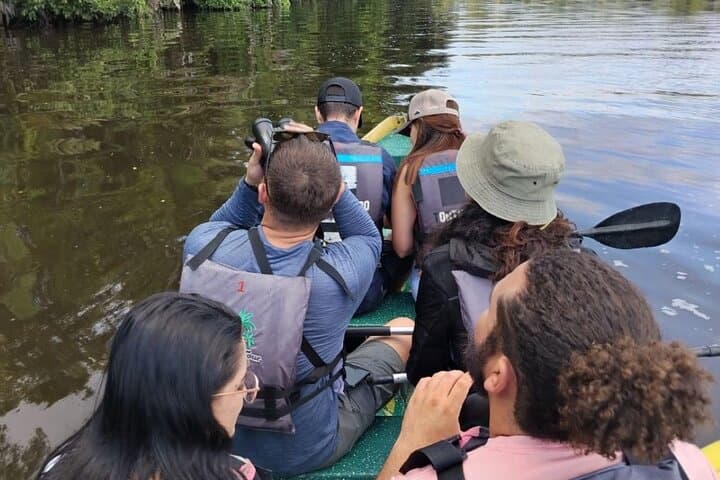
Practically, expect a 2.5–3 hour guided canoe outing that keeps disturbance minimal — rowing canoes, life vests supplied and a naturalist to point out species and behaviors. Early-morning departures increase bird and mammal sightings; late-afternoon trips can find different light and quieter water. Bring insect repellent, a rain jacket during wet months, and binoculars. Keep voices low, avoid sudden movements near shore, and let the guide position the canoe for the best views.
This trip suits travelers looking for calm, wildlife-focused exploration rather than fast-paced adventure. Timing, light and patience will determine how many species you see; the canal itself does the rest, nudging you into the rhythm of the forest.
easy.
2.5–3 hours.
Suitable for most fitness levels; the trip involves sitting in a canoe with minimal physical exertion required
Most tours meet at Tortuguero town pier; access is typically by boat from La Pavona or by small plane — follow operator instructions for specific pickup points.
Yes — tours are family-friendly but children should be able to sit quietly and wear a life vest; check age policies with the operator.
Turtle sightings depend on season and are usually coastal at night, while manatees are elusive; the canal trip increases your chances but sightings are not guaranteed.
The trip is low-impact but not recommended for travelers with serious spinal issues due to sitting in a low canoe; consult the operator if you have concerns.
Tortuguero’s communities developed around fishing and sea turtle harvesting; the park was created largely to protect nesting beaches and inland wetlands.
Operators emphasize non-motorized craft and quiet passage to minimize disturbance; follow park rules, keep distance from wildlife and avoid littering to support conservation.
Tortuguero Life Tours operates guided outdoor trips and adventures with an emphasis on safety, stewardship, and memorable experiences.
Dawn on Tortuguero arrives as a thin, green light sliding across the canal. The canoe slips forward with nothing but the guide’s rhythmic strokes and the high, metallic calls of herons. Mist clings to mangrove roots; a howler monkey’s low throat announces territory upriver. This is a quiet way to meet the rainforest — close to the water, small in a large landscape.
Dawn on Tortuguero arrives as a thin, green light sliding across the canal. The canoe slips forward with nothing but the guide’s rhythmic strokes and the high, metallic calls of herons. Mist clings to mangrove roots; a howler monkey’s low throat announces territory upriver. This is a quiet way to meet the rainforest — close to the water, small in a large landscape.
Tortuguero National Park sits on Costa Rica’s Caribbean lowlands, a maze of canals carved by tides, sediment and decades of mangrove growth. The park is best known for its sea turtle nesting, but the canal systems host freshwater lagoons, small islands and a food web that supports caimans, manatees and dozens of bird species. Local communities here have long relied on fishing and guiding; many tours are run by community-based operators practicing low-impact transport.
Practically, expect a 2.5–3 hour guided canoe outing that keeps disturbance minimal — rowing canoes, life vests supplied and a naturalist to point out species and behaviors. Early-morning departures increase bird and mammal sightings; late-afternoon trips can find different light and quieter water. Bring insect repellent, a rain jacket during wet months, and binoculars. Keep voices low, avoid sudden movements near shore, and let the guide position the canoe for the best views.
This trip suits travelers looking for calm, wildlife-focused exploration rather than fast-paced adventure. Timing, light and patience will determine how many species you see; the canal itself does the rest, nudging you into the rhythm of the forest.