THE ADVENTURE COLLECTIVE® · Independent discovery and booking for outdoor travel

In two compact days this private tour delivers snow-capped peaks, glacial lakes and highland culture. Read on for what to expect, local history and practical tips to prepare for altitude and changing weather.
In two compact days this private tour delivers snow-capped peaks, glacial lakes and highland culture. Read on for what to expect, local history and practical tips to prepare for altitude and changing weather.
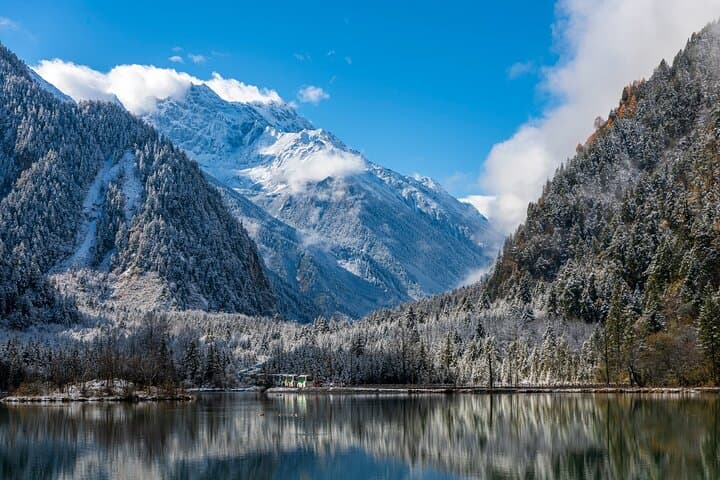
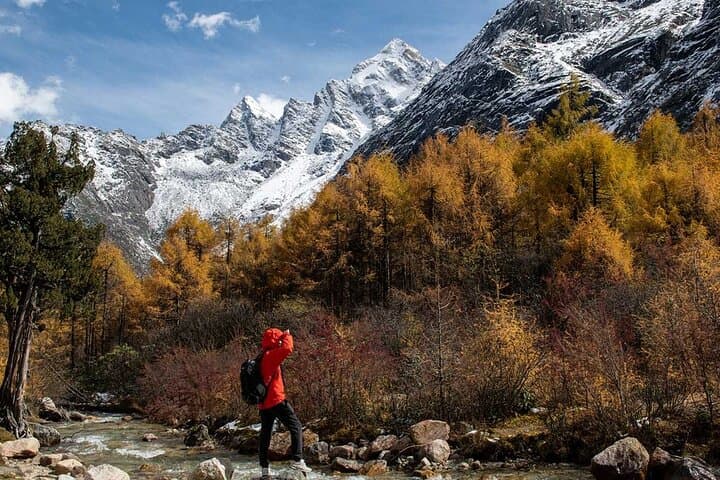
You arrive on the high plain before dawn and the peaks are already at work—light slicing the snow-caps of Siguniangshan while valley mist unwinds from alpine meadows.
Verified experiences and guided adventures in the surrounding area.
Operated by Manjing Travel · Rilong, Sichuan
You arrive on the high plain before dawn and the peaks are already at work—light slicing the snow-caps of Siguniangshan while valley mist unwinds from alpine meadows.
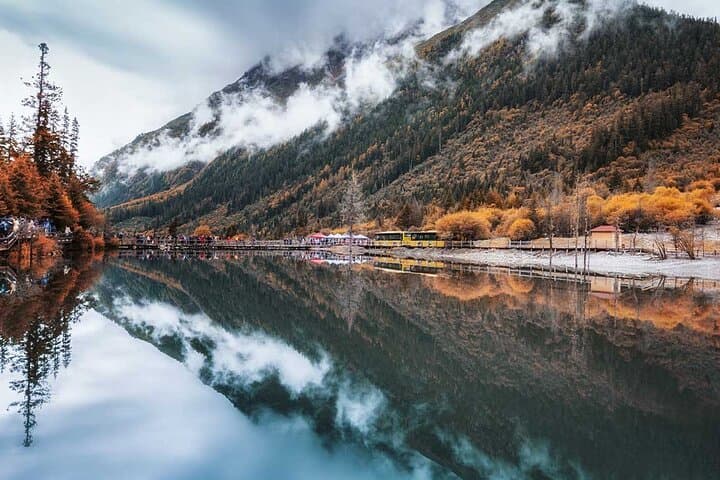
Over two days the route moves like a short expedition: Shuangqiao (Double Bridge) Valley offers easy boardwalks, viewing platforms and a shuttle that ferries visitors through forested glades toward Yaomei Peak; Bipenggou answers with lacquer-blue lakes, tiered waterfalls and quieter glacial ridges. Geologically this corner of western Sichuan is a young, uplifted edge of the Tibetan Plateau—granite summits, recent glacial scouring and moraine-ringed lakes create the steep contrasts you’ll see.
Culturally the landscape has long been shaped by Tibetan and Qiang communities. Villages around Siguniang have preserved wooden architecture and pastoral patterns; you’ll notice yak pastures and prayer flags where local custom meets high-mountain weather.
Practical guidance: the tour typically departs Chengdu and includes private transport, one hotel night and park tickets. Expect elevations between ~3,000–4,200 m; short walks and photo stops dominate the itinerary rather than technical trekking. Wear stiff-soled hiking shoes, layer for wind and sun, and allow time to acclimatize if you’re sensitive to altitude.
Best light comes at golden hour from Maobiliang Observation Deck and along Shuangqiao’s river corridor. Carry cash for small vendors, a refillable water bottle, sunscreen and a basic first-aid kit. Trails are well-marked but weather can change fast—plan flexible time and respect park rules to keep fragile alpine meadows intact.
moderate.
2 days.
Suitable for travelers in average fitness able to walk several hours across easy-to-moderate trails and tolerate brief altitude exposure
Valleys and viewing points sit roughly between 3,000–4,200 m; mild symptoms are possible—stay hydrated, avoid heavy exertion on arrival and consult a doctor if you have respiratory or cardiac conditions.
The advertised tour includes attraction tickets and private transportation as stated in the itinerary, plus one night’s hotel and dinner on day one.
The itinerary is marketed as suitable for all fitness levels, but children and those with spinal, heart or pregnancy concerns should check medical suitability first.
Late spring through early autumn (May–October) offers the most accessible trails and open roads; October gives crisp air and fall color, while winter can close some valley roads due to snow.
The region sits at a cultural crossroads of Tibetan and Qiang peoples, with pastoral traditions and wooden architecture shaped by centuries of mountain life.
Siguniangshan is a protected area; stay on designated paths, pack out waste, and avoid disturbing grazing livestock and fragile alpine vegetation.
Manjing Travel operates guided outdoor trips and adventures with an emphasis on safety, stewardship, and memorable experiences.

You arrive on the high plain before dawn and the peaks are already at work—light slicing the snow-caps of Siguniangshan while valley mist unwinds from alpine meadows.
You arrive on the high plain before dawn and the peaks are already at work—light slicing the snow-caps of Siguniangshan while valley mist unwinds from alpine meadows.
Over two days the route moves like a short expedition: Shuangqiao (Double Bridge) Valley offers easy boardwalks, viewing platforms and a shuttle that ferries visitors through forested glades toward Yaomei Peak; Bipenggou answers with lacquer-blue lakes, tiered waterfalls and quieter glacial ridges. Geologically this corner of western Sichuan is a young, uplifted edge of the Tibetan Plateau—granite summits, recent glacial scouring and moraine-ringed lakes create the steep contrasts you’ll see.
Culturally the landscape has long been shaped by Tibetan and Qiang communities. Villages around Siguniang have preserved wooden architecture and pastoral patterns; you’ll notice yak pastures and prayer flags where local custom meets high-mountain weather.
Practical guidance: the tour typically departs Chengdu and includes private transport, one hotel night and park tickets. Expect elevations between ~3,000–4,200 m; short walks and photo stops dominate the itinerary rather than technical trekking. Wear stiff-soled hiking shoes, layer for wind and sun, and allow time to acclimatize if you’re sensitive to altitude.
Best light comes at golden hour from Maobiliang Observation Deck and along Shuangqiao’s river corridor. Carry cash for small vendors, a refillable water bottle, sunscreen and a basic first-aid kit. Trails are well-marked but weather can change fast—plan flexible time and respect park rules to keep fragile alpine meadows intact.