THE ADVENTURE COLLECTIVE® · Independent discovery and booking for outdoor travel

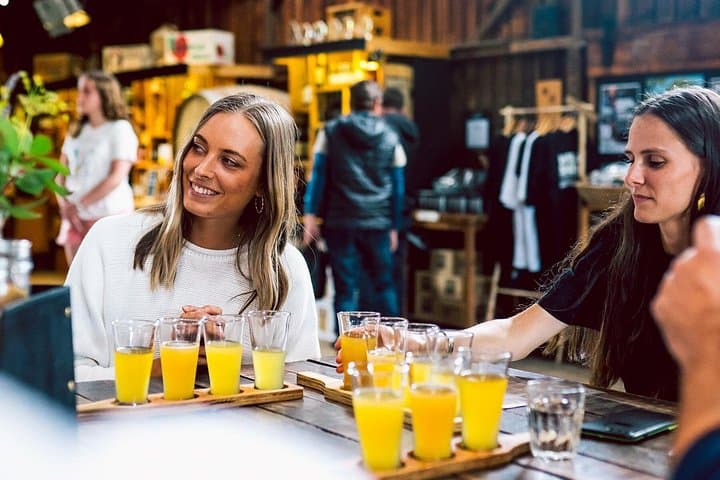
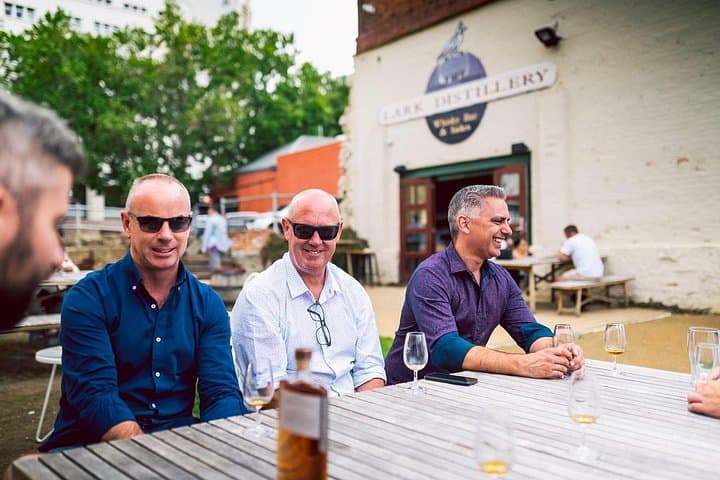
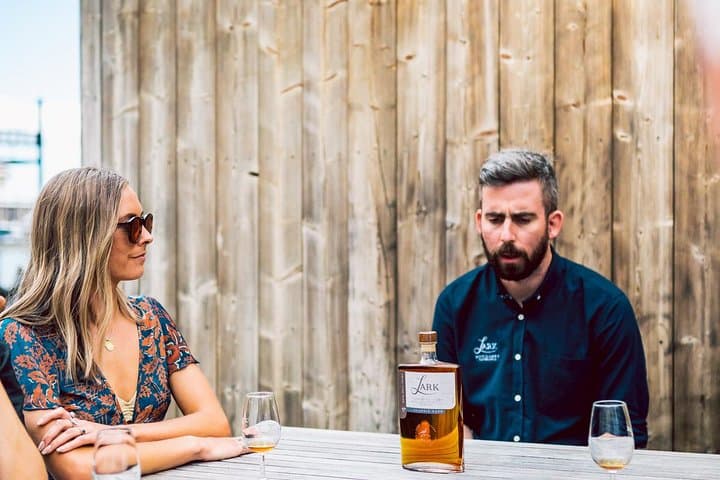
Spend a full day sampling Tasmania’s best whisky, wine, cider and craft beer with guided tastings and coach transport from Brooke Street Pier in Hobart. Expect four small-group venue stops, local stories, and a lunch break at a curated pub or café.
Spend a full day sampling Tasmania’s best whisky, wine, cider and craft beer with guided tastings and coach transport from Brooke Street Pier in Hobart. Expect four small-group venue stops, local stories, and a lunch break at a curated pub or café.
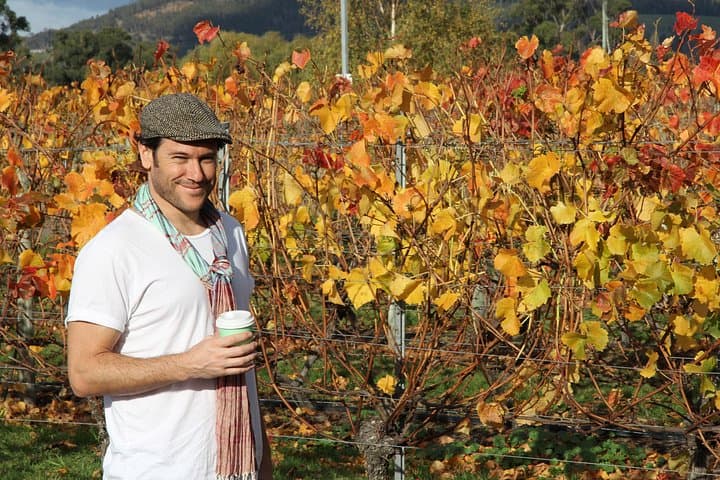
A salt-sweet breeze from the Derwent presses against Brooke Street Pier as your group gathers—coffee first, introductions second—and the day unfurls like a map of Southern Tasmania’s productive pockets. The road threads from Hobart’s Georgian warehouses toward cool-climate vineyards, small-batch distilleries and humble cider sheds, each tasting room a short-lived stage in a day-long conversation about place, technique and terroir.
Verified experiences and guided adventures in the surrounding area.
Operated by Drink Tasmania Premium Tours · Hobart, Tasmania
A salt-sweet breeze from the Derwent presses against Brooke Street Pier as your group gathers—coffee first, introductions second—and the day unfurls like a map of Southern Tasmania’s productive pockets. The road threads from Hobart’s Georgian warehouses toward cool-climate vineyards, small-batch distilleries and humble cider sheds, each tasting room a short-lived stage in a day-long conversation about place, technique and terroir.
Tasmania’s beverage story is young and fiercely local: convict-era breweries gave way to estate trials in the Coal River Valley, and in the last two decades craft distilling and cider production have exploded thanks to pristine water and temperate summers. Geologically, the region is shaped by dolerite outcrops and river valleys that moderate temperature—conditions that favor Pinot Noir, sparkling styles, barley for whisky and apples for crisp ciders.
Culturally the tour traces makers who emphasize provenance—barrels toasted in-house, heirloom apple varieties, hop-forward microbrews—while guides stitch in stories about founder families and the landscapes that feed them.
Practically, expect four guided tastings, coach transfers between venues, and a stop for lunch at a local café or pub (meals are pay-as-you-go). The pace is relaxed but alcohol-forward: hydrate between stops, pace tastings, and keep ID handy. Weather changes quickly near the waterfront and hills—bring a light shell even on sunny days. Groups are small, meaning conversation with producers is often part of the experience. This is a day for curious palates and steady footwear rather than high exertion—arrive ready to taste, learn, and enjoy the southernmost craft scene in Australia.
easy.
7–8 hours.
Low-impact; suitable for most travelers who can sit comfortably for multiple short transfers and stand for tastings.
The meeting point is Brooke Street Pier in central Hobart; the tour typically returns to the same location.
Yes—guided tastings at up to four venues and coach transport between stops are included; lunch and additional purchases are extra.
This tour is not recommended for pregnant travelers or those with cardiovascular issues; contact the operator to discuss alternatives.
Children are not permitted—this is an adults-only tasting experience.
Southern Tasmania’s brewing and distilling roots date to colonial settlements, while modern cool-climate winemaking and craft distilling expanded rapidly in the late 20th and early 21st centuries.
Producers commonly emphasize local sourcing, water stewardship and responsible waste practices; guests are encouraged to minimize single-use plastics and drink responsibly.
Drink Tasmania Premium Tours operates guided outdoor trips and adventures with an emphasis on safety, stewardship, and memorable experiences.
A salt-sweet breeze from the Derwent presses against Brooke Street Pier as your group gathers—coffee first, introductions second—and the day unfurls like a map of Southern Tasmania’s productive pockets. The road threads from Hobart’s Georgian warehouses toward cool-climate vineyards, small-batch distilleries and humble cider sheds, each tasting room a short-lived stage in a day-long conversation about place, technique and terroir.
A salt-sweet breeze from the Derwent presses against Brooke Street Pier as your group gathers—coffee first, introductions second—and the day unfurls like a map of Southern Tasmania’s productive pockets. The road threads from Hobart’s Georgian warehouses toward cool-climate vineyards, small-batch distilleries and humble cider sheds, each tasting room a short-lived stage in a day-long conversation about place, technique and terroir.
Tasmania’s beverage story is young and fiercely local: convict-era breweries gave way to estate trials in the Coal River Valley, and in the last two decades craft distilling and cider production have exploded thanks to pristine water and temperate summers. Geologically, the region is shaped by dolerite outcrops and river valleys that moderate temperature—conditions that favor Pinot Noir, sparkling styles, barley for whisky and apples for crisp ciders.
Culturally the tour traces makers who emphasize provenance—barrels toasted in-house, heirloom apple varieties, hop-forward microbrews—while guides stitch in stories about founder families and the landscapes that feed them.
Practically, expect four guided tastings, coach transfers between venues, and a stop for lunch at a local café or pub (meals are pay-as-you-go). The pace is relaxed but alcohol-forward: hydrate between stops, pace tastings, and keep ID handy. Weather changes quickly near the waterfront and hills—bring a light shell even on sunny days. Groups are small, meaning conversation with producers is often part of the experience. This is a day for curious palates and steady footwear rather than high exertion—arrive ready to taste, learn, and enjoy the southernmost craft scene in Australia.