THE ADVENTURE COLLECTIVE® · Independent discovery and booking for outdoor travel

A private six-hour tuk-tuk route from Sigiriya that stitches prehistoric tombs, the Golden Temple of Dambulla, batik workshops and Kandy-bound vistas into one culturally rich day. Plan for steps at the caves, modest walking and a strict temple dress code.
A private six-hour tuk-tuk route from Sigiriya that stitches prehistoric tombs, the Golden Temple of Dambulla, batik workshops and Kandy-bound vistas into one culturally rich day. Plan for steps at the caves, modest walking and a strict temple dress code.
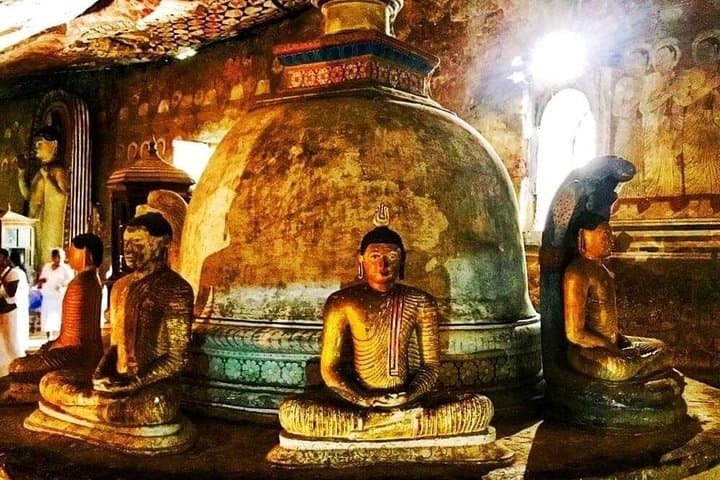
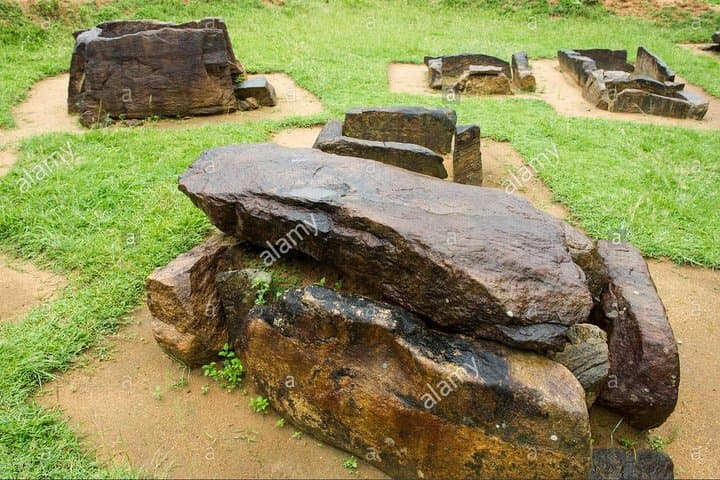
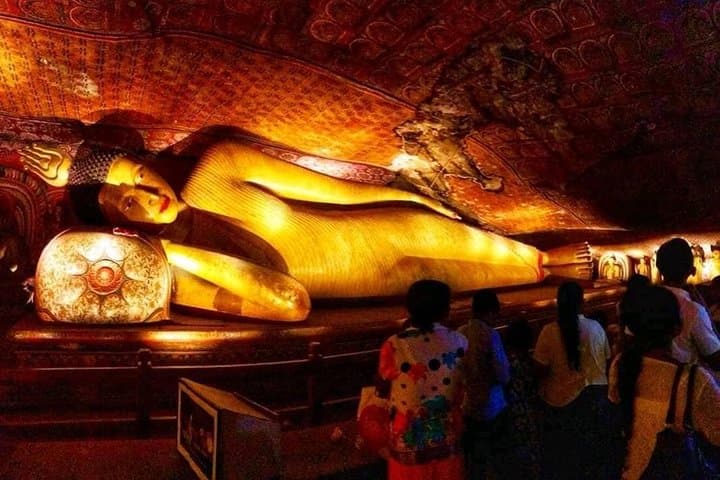
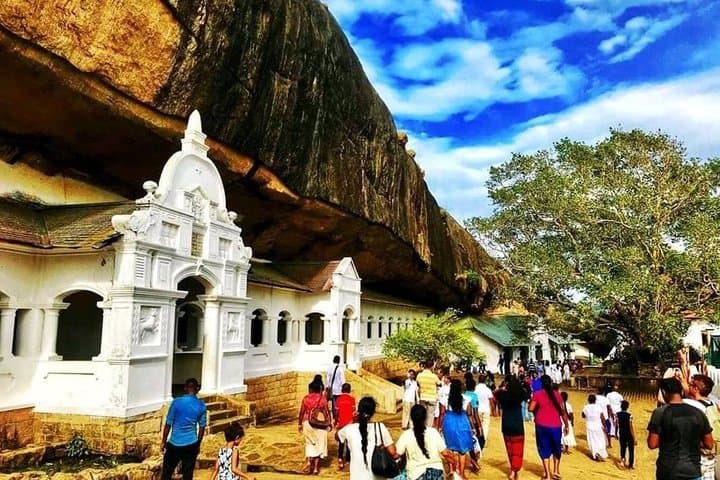
You step out of the tuk-tuk and the limestone outcrop that holds the Dambulla Cave Temple fills the sky—rock faces shading painted caverns while the dry-zone forest hums below. The day moves like a local conversation: an early stop at a prehistoric tomb site, a brief pass by the cricket stadium, then the long, low sigh of painted ceilings inside the Golden Temple before rolling vistas toward Kandy.
Verified experiences and guided adventures in the surrounding area.
Operated by Dambulla Tuk Tuk Saman Travels · Dambulla, Central Province
You step out of the tuk-tuk and the limestone outcrop that holds the Dambulla Cave Temple fills the sky—rock faces shading painted caverns while the dry-zone forest hums below. The day moves like a local conversation: an early stop at a prehistoric tomb site, a brief pass by the cricket stadium, then the long, low sigh of painted ceilings inside the Golden Temple before rolling vistas toward Kandy.
The route threads together eras: Ibbankatuwa’s megalithic burials remind you this plateau has been occupied for millennia; Dambulla’s caves, rebuilt and painted since the 1st century B.C., hold Buddhist iconography layered over time. Geologically, the temple perches on an isolated granite outcrop carved by wind and heat into ledges that collectors, priests and kings have used as shelter. Culturally, the region bridges the dry plains and the hill country—markets, batik workshops and spice gardens reflect living traditions that feed nearby towns.
Practical guidance: this private six-hour loop is largely vehicle-based with short walks—expect steps at the cave temple and modest elevation gain to the cave entrances. Dress to cover shoulders and knees for religious sites; comfortable shoes with grip suit uneven stone surfaces. Carry water, sunscreen and cash for market stalls and crafts. A guided tuk-tuk driver often doubles as a local interpreter—ask about Heritance Kandalama’s modernist architecture and the small spice farms for a quick tasting. Time visits to avoid the midday heat; mornings bring cooler air and stronger light for photographs. With basic mobility you’ll move easily through history, geology and local life on a single, full day of Sri Lankan discovery.
easy.
6 hours.
Suitable for most fitness levels; requires short climbs up steps and standing inside cave chambers.
This is a private, approximately six-hour tour with short walks at each site; most time is spent driving between stops with guided visits lasting 30–120 minutes.
There are steps to access the cave complexes; while core areas are compact, the operator lists wheelchair-accessible options—confirm pickup and on-site assistance when booking.
Dambulla Cave Temple typically charges an entry fee payable on-site; bring local currency for admissions and small purchases at local shops.
Yes—many operators include short visits to a spice/herbal garden and a local batik workshop as part of this itinerary for demonstrations and quick purchases.
Dambulla Cave Temple has been in continuous religious use since the 1st century B.C.; its murals and statues reflect successive phases of Sri Lankan Buddhist patronage.
Visitors should stick to marked paths and avoid touching painted surfaces; local guides help protect fragile mural art and manage visitor flow to reduce wear.
Dambulla Tuk Tuk Saman Travels operates guided outdoor trips and adventures with an emphasis on safety, stewardship, and memorable experiences.
You step out of the tuk-tuk and the limestone outcrop that holds the Dambulla Cave Temple fills the sky—rock faces shading painted caverns while the dry-zone forest hums below. The day moves like a local conversation: an early stop at a prehistoric tomb site, a brief pass by the cricket stadium, then the long, low sigh of painted ceilings inside the Golden Temple before rolling vistas toward Kandy.
You step out of the tuk-tuk and the limestone outcrop that holds the Dambulla Cave Temple fills the sky—rock faces shading painted caverns while the dry-zone forest hums below. The day moves like a local conversation: an early stop at a prehistoric tomb site, a brief pass by the cricket stadium, then the long, low sigh of painted ceilings inside the Golden Temple before rolling vistas toward Kandy.
The route threads together eras: Ibbankatuwa’s megalithic burials remind you this plateau has been occupied for millennia; Dambulla’s caves, rebuilt and painted since the 1st century B.C., hold Buddhist iconography layered over time. Geologically, the temple perches on an isolated granite outcrop carved by wind and heat into ledges that collectors, priests and kings have used as shelter. Culturally, the region bridges the dry plains and the hill country—markets, batik workshops and spice gardens reflect living traditions that feed nearby towns.
Practical guidance: this private six-hour loop is largely vehicle-based with short walks—expect steps at the cave temple and modest elevation gain to the cave entrances. Dress to cover shoulders and knees for religious sites; comfortable shoes with grip suit uneven stone surfaces. Carry water, sunscreen and cash for market stalls and crafts. A guided tuk-tuk driver often doubles as a local interpreter—ask about Heritance Kandalama’s modernist architecture and the small spice farms for a quick tasting. Time visits to avoid the midday heat; mornings bring cooler air and stronger light for photographs. With basic mobility you’ll move easily through history, geology and local life on a single, full day of Sri Lankan discovery.