THE ADVENTURE COLLECTIVE® · Independent discovery and booking for outdoor travel

Spend a full day crossing the plains from Sigiriya to the sacred ruins of Anuradhapura. Walk among massive stupas, ancient bathing tanks and the Jaya Sri Maha Bodhi while learning how engineering, faith and kings shaped early Sri Lanka.
Spend a full day crossing the plains from Sigiriya to the sacred ruins of Anuradhapura. Walk among massive stupas, ancient bathing tanks and the Jaya Sri Maha Bodhi while learning how engineering, faith and kings shaped early Sri Lanka.
You step out of the minivan as heat presses against the dry, open plain and an enormous brick dome rises against the sky—Jetavanaramaya’s silhouette a slow, steady presence that has watched centuries pass. Fragrant neem and fig trees shade cracked stone pathways; pilgrims and tourists move with the same deliberate rhythm around stupas and Bodhi trees.
Verified experiences and guided adventures in the surrounding area.
Operated by Ishan Tours and Holidays · Anuradhapura, North Central Province
You step out of the minivan as heat presses against the dry, open plain and an enormous brick dome rises against the sky—Jetavanaramaya’s silhouette a slow, steady presence that has watched centuries pass. Fragrant neem and fig trees shade cracked stone pathways; pilgrims and tourists move with the same deliberate rhythm around stupas and Bodhi trees.
Anuradhapura was Sri Lanka’s political and spiritual heart from around the 4th century BCE to the 10th century CE. The ruins here—massive brick dagobas, carved moonstones, and engineered bathing tanks—reveal skills in hydraulic engineering and large‑scale brickwork. Geologically the region sits on low central plains of red lateritic soils; the landscape is flat, with isolated rocky hills and ancient reservoirs that once supported royal capitals.
Culturally this is living history: Jaya Sri Maha Bodhi, the planted fig said to descend from Bodh Gaya, draws devotees; Ruwanwelisaya and Thuparamaya mark royal patronage of Buddhism. Lesser known sites like Kuttam Pokuna show sophisticated water management and daily monastic life.
Practically, expect an 8–10 hour day with multiple short walks (30–60 minutes at each site), paved and packed‑earth paths, and occasional steps. Modest dress is required at religious sites, shoes are removed often, and shade is limited between monuments. Bring sun protection, cash for small donations and entry fees, comfortable walking shoes, and at least 2 liters of water. Morning starts avoid mid‑day heat; plan transfers in advance if you’re based in Sigiriya or Habarana. This is a day of steady, low‑impact exploration—high on historical payoff, low on technical challenge.
easy.
8–10 hours.
Suitable for travelers in average physical condition; involves multiple short walks and some stair climbs
The shared day tour runs about 8–10 hours, typically starting early morning and returning late afternoon.
Most site admissions and donations are not included—bring small cash; the tour generally covers transport and bottled water.
Yes—sites involve low‑impact walking and some steps; travelers with mobility concerns should note uneven surfaces and limited shade.
You will remove footwear at many shrines and some temple compounds—easy slip‑on shoes are recommended.
Anuradhapura served as a continuous royal and religious capital for over a millennium; the city’s stupas and monasteries reflect centuries of Buddhist patronage and ancient hydraulic planning.
Many monuments are protected archaeological sites; visitors should stick to paths, avoid climbing ruins, and respect temple rules to reduce wear on fragile stonework.
Ishan Tours and Holidays operates guided outdoor trips and adventures with an emphasis on safety, stewardship, and memorable experiences.
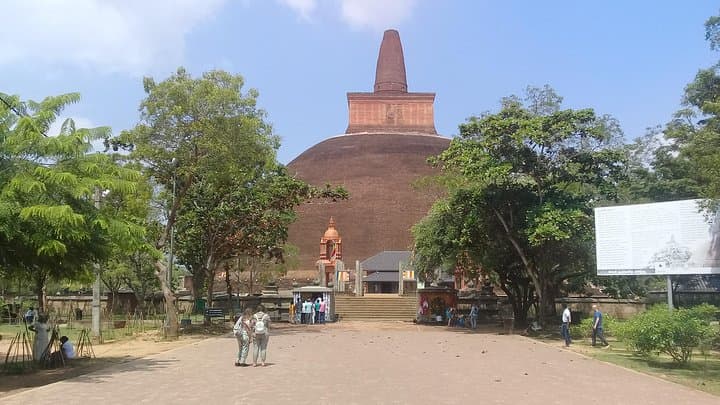
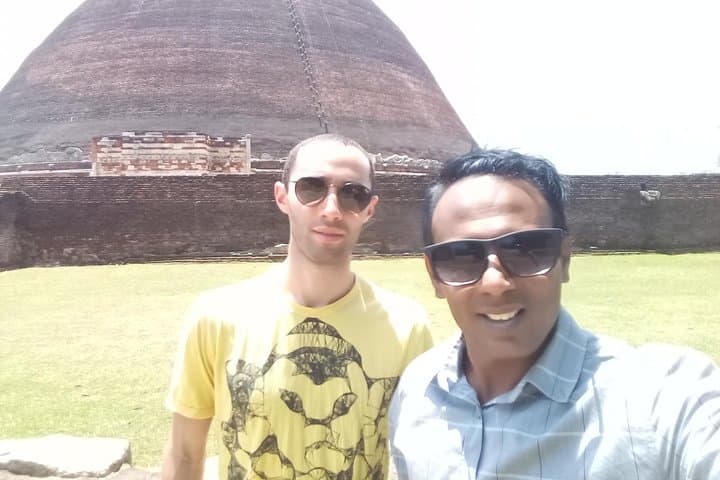
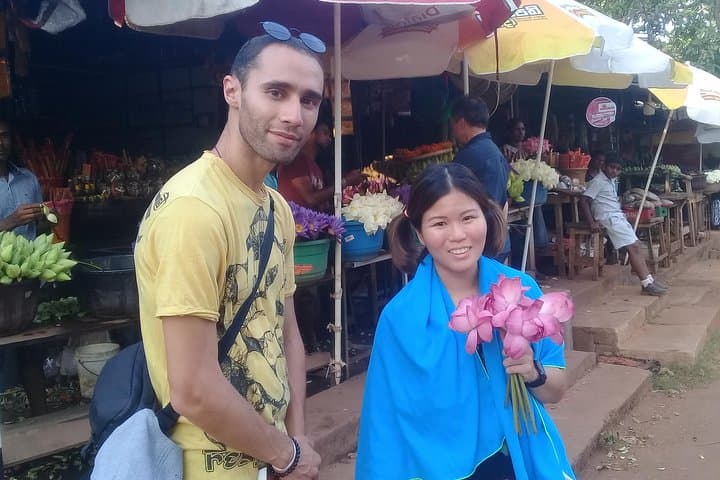
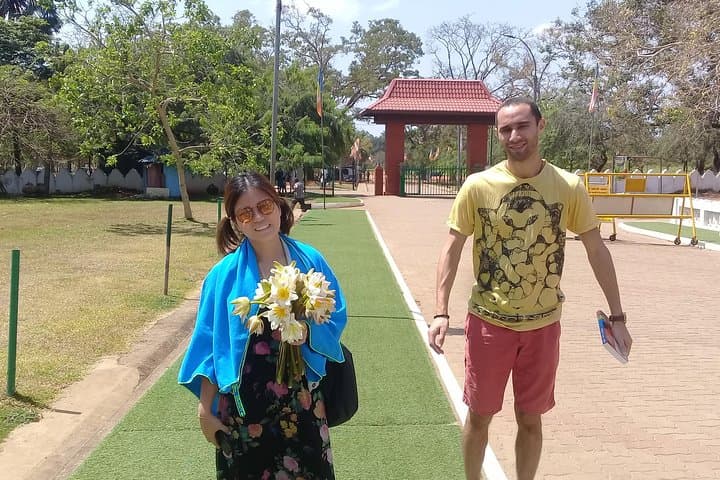
You step out of the minivan as heat presses against the dry, open plain and an enormous brick dome rises against the sky—Jetavanaramaya’s silhouette a slow, steady presence that has watched centuries pass. Fragrant neem and fig trees shade cracked stone pathways; pilgrims and tourists move with the same deliberate rhythm around stupas and Bodhi trees.
You step out of the minivan as heat presses against the dry, open plain and an enormous brick dome rises against the sky—Jetavanaramaya’s silhouette a slow, steady presence that has watched centuries pass. Fragrant neem and fig trees shade cracked stone pathways; pilgrims and tourists move with the same deliberate rhythm around stupas and Bodhi trees.
Anuradhapura was Sri Lanka’s political and spiritual heart from around the 4th century BCE to the 10th century CE. The ruins here—massive brick dagobas, carved moonstones, and engineered bathing tanks—reveal skills in hydraulic engineering and large‑scale brickwork. Geologically the region sits on low central plains of red lateritic soils; the landscape is flat, with isolated rocky hills and ancient reservoirs that once supported royal capitals.
Culturally this is living history: Jaya Sri Maha Bodhi, the planted fig said to descend from Bodh Gaya, draws devotees; Ruwanwelisaya and Thuparamaya mark royal patronage of Buddhism. Lesser known sites like Kuttam Pokuna show sophisticated water management and daily monastic life.
Practically, expect an 8–10 hour day with multiple short walks (30–60 minutes at each site), paved and packed‑earth paths, and occasional steps. Modest dress is required at religious sites, shoes are removed often, and shade is limited between monuments. Bring sun protection, cash for small donations and entry fees, comfortable walking shoes, and at least 2 liters of water. Morning starts avoid mid‑day heat; plan transfers in advance if you’re based in Sigiriya or Habarana. This is a day of steady, low‑impact exploration—high on historical payoff, low on technical challenge.