THE ADVENTURE COLLECTIVE® · Independent discovery and booking for outdoor travel

Learn Sri Lanka’s curry fundamentals in a three-hour, hands-on class near Sigiriya. Prepare vegetable curries, coconut sambol and a choice of chicken or fish before sharing the meal you cooked.
Learn Sri Lanka’s curry fundamentals in a three-hour, hands-on class near Sigiriya. Prepare vegetable curries, coconut sambol and a choice of chicken or fish before sharing the meal you cooked.
Stepping into Sajee’s Place feels like entering a small, sun-warmed school of flavors. The stove hisses, the mortar nudges spice oils into scent, and an open window frames a distant view of Sigiriya’s granite shoulder. You stand at a low workbench with Sajeeva and Suzy guiding you through coconut, curry leaves, and the cinnamon that Sri Lanka has traded for centuries.
Verified experiences and guided adventures in the surrounding area.
Operated by Sajee’s place cooking class sigiriya · Sigiriya, Central Province
Stepping into Sajee’s Place feels like entering a small, sun-warmed school of flavors. The stove hisses, the mortar nudges spice oils into scent, and an open window frames a distant view of Sigiriya’s granite shoulder. You stand at a low workbench with Sajeeva and Suzy guiding you through coconut, curry leaves, and the cinnamon that Sri Lanka has traded for centuries.
Sri Lanka’s spices shaped global trade routes; cinnamon here is not an exotic import but a local staple. The class sits in the shadow of Sigiriya Rock—a 5th-century fortress and landscape that speaks to the island’s long human imprint and varied geology: ancient igneous outcrops rising from flat plains. Food culture is pragmatic and regional—rice and curry as daily ritual, coconut used for texture and tang, sambol adding brightness.
The format is hands-on: you’ll chop seasonal vegetables, temper spices, and prepare dhal, a vegetable curry, coconut sambol and a chicken or fish curry. Instructions are paced for beginners, with spice histories woven into technique. After cooking, you share the meal you made — a practical closure that shows how home-cookable these dishes are.
Practical guidance: classes run about three hours; wear closed-toe shoes and clothes you don’t mind splattering with oil. Inform the host of dietary restrictions in advance via the provided WhatsApp number. The venue is wheelchair accessible and family-friendly, but countertops are traditional height. Bring a reusable water bottle, appetite, and a phone for photos—this is as much about learning as tasting.
easy.
3 hours.
Low; suitable for most fitness levels—mostly standing and light chopping/food prep
Yes. Inform the host before the class (WhatsApp) and they’ll plan vegetable-based curries and omit meat or fish.
Yes—this is family-friendly and wheelchair accessible; activities involve standing and simple tasks, with accommodations on request.
Booking details and the host’s WhatsApp number are provided in the listing; many guests contact Sajeeva directly to confirm menu and timing.
Classes are typically conducted in English with local terms explained; hosts can clarify ingredients and techniques for non-native speakers.
Sigiriya Rock dates to the 5th century AD and marks the region’s historical significance; spice cultivation—especially cinnamon—has been central to Sri Lanka’s economy for centuries.
Support providers who source vegetables from nearby farms to reduce transport impact; avoid single-use plastics and compost food scraps when possible.
Sajee’s place cooking class sigiriya operates guided outdoor trips and adventures with an emphasis on safety, stewardship, and memorable experiences.
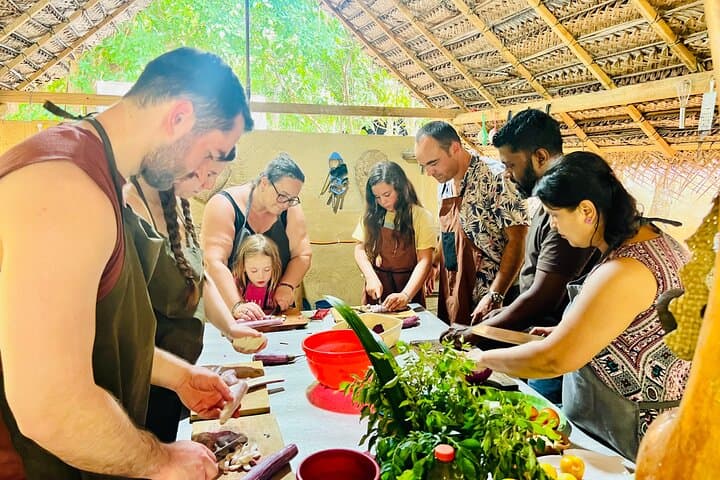
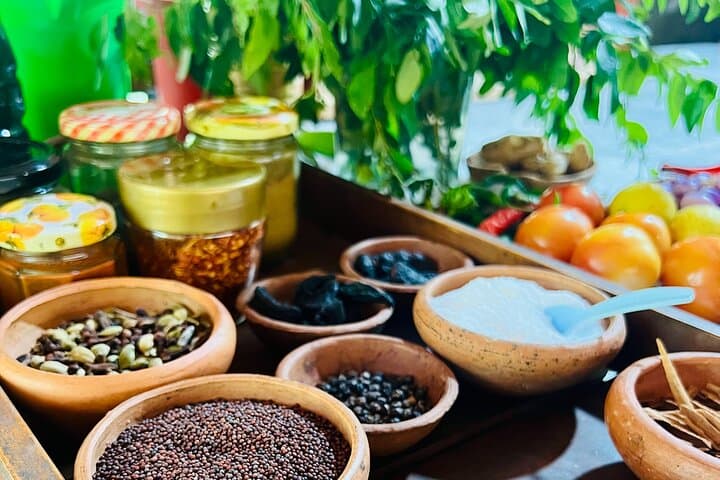
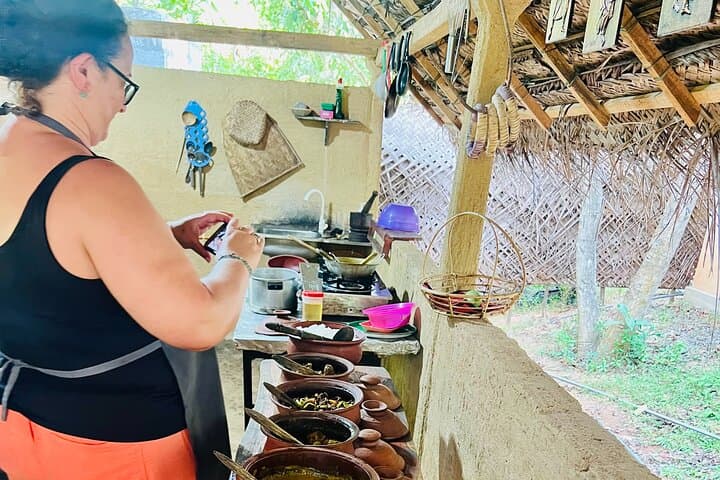
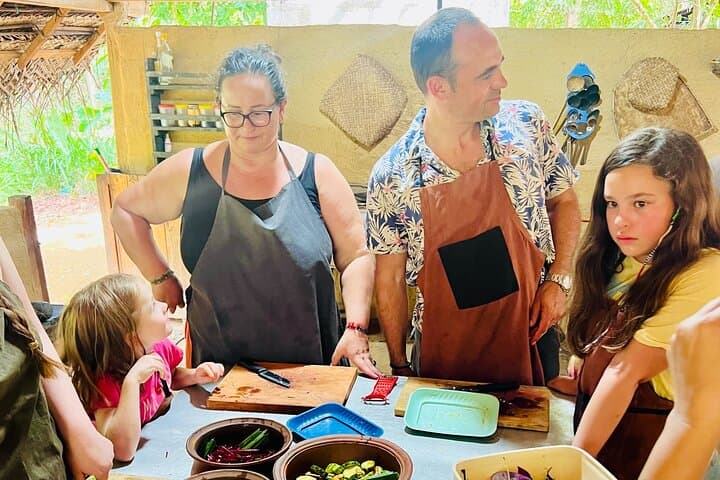
Stepping into Sajee’s Place feels like entering a small, sun-warmed school of flavors. The stove hisses, the mortar nudges spice oils into scent, and an open window frames a distant view of Sigiriya’s granite shoulder. You stand at a low workbench with Sajeeva and Suzy guiding you through coconut, curry leaves, and the cinnamon that Sri Lanka has traded for centuries.
Stepping into Sajee’s Place feels like entering a small, sun-warmed school of flavors. The stove hisses, the mortar nudges spice oils into scent, and an open window frames a distant view of Sigiriya’s granite shoulder. You stand at a low workbench with Sajeeva and Suzy guiding you through coconut, curry leaves, and the cinnamon that Sri Lanka has traded for centuries.
Sri Lanka’s spices shaped global trade routes; cinnamon here is not an exotic import but a local staple. The class sits in the shadow of Sigiriya Rock—a 5th-century fortress and landscape that speaks to the island’s long human imprint and varied geology: ancient igneous outcrops rising from flat plains. Food culture is pragmatic and regional—rice and curry as daily ritual, coconut used for texture and tang, sambol adding brightness.
The format is hands-on: you’ll chop seasonal vegetables, temper spices, and prepare dhal, a vegetable curry, coconut sambol and a chicken or fish curry. Instructions are paced for beginners, with spice histories woven into technique. After cooking, you share the meal you made — a practical closure that shows how home-cookable these dishes are.
Practical guidance: classes run about three hours; wear closed-toe shoes and clothes you don’t mind splattering with oil. Inform the host of dietary restrictions in advance via the provided WhatsApp number. The venue is wheelchair accessible and family-friendly, but countertops are traditional height. Bring a reusable water bottle, appetite, and a phone for photos—this is as much about learning as tasting.