THE ADVENTURE COLLECTIVE® · Independent discovery and booking for outdoor travel

Glide across a lotus-studded lake with Sigiriya and Pidurangala etched on the horizon, then follow village paths to a home-cooked breakfast. This 2–3 hour boat-and-walk tour pairs birdwatching with an intimate look at rural life.
Glide across a lotus-studded lake with Sigiriya and Pidurangala etched on the horizon, then follow village paths to a home-cooked breakfast. This 2–3 hour boat-and-walk tour pairs birdwatching with an intimate look at rural life.
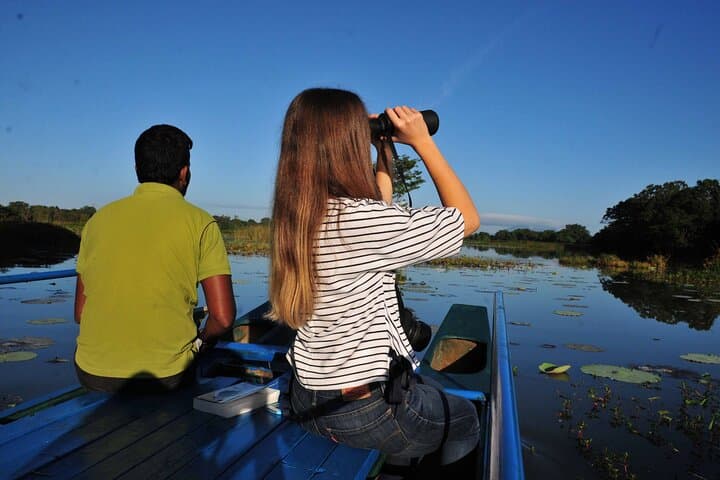
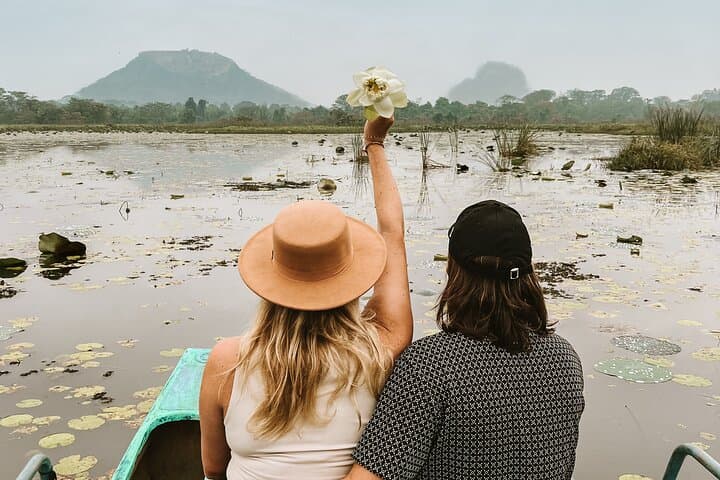
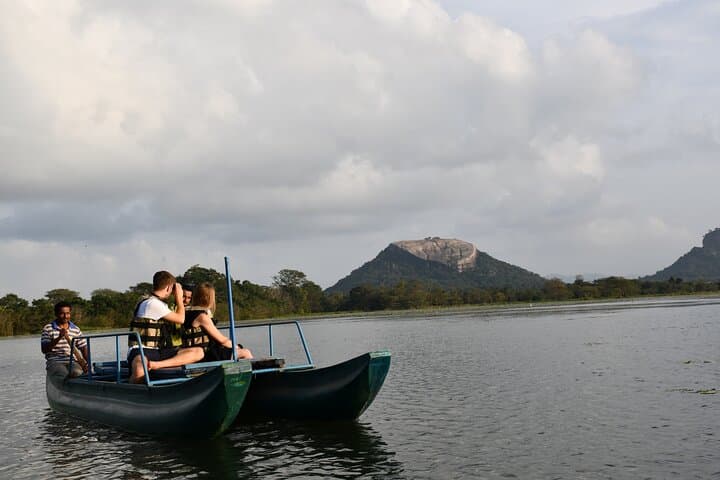
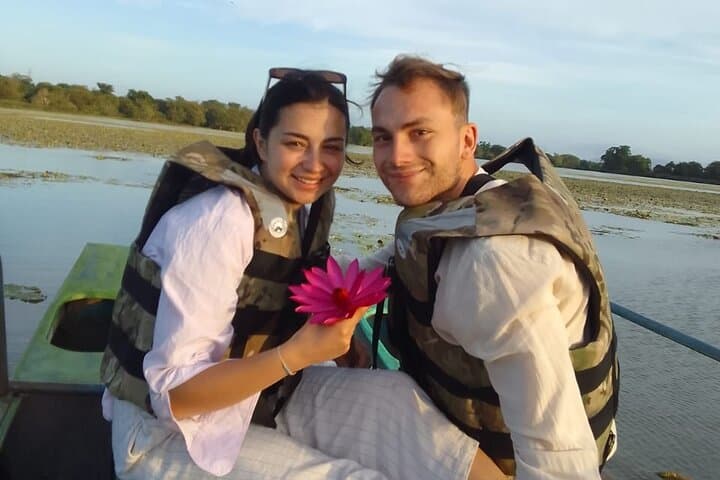
You push off from the shoreline before sunrise and the lake answers with a slow, reflective breath. Lotus pads skim the surface like scattered coins; every ripple redraws the silhouette of Sigiriya and the squat shoulder of Pidurangala. The boat is roomy enough to settle into, but small enough that the engine's hush and the call of a passing heron set the rhythm of the morning.
Verified experiences and guided adventures in the surrounding area.
Operated by Back of Beyond Sri Lanka · Sigiriya, Central Province
You push off from the shoreline before sunrise and the lake answers with a slow, reflective breath. Lotus pads skim the surface like scattered coins; every ripple redraws the silhouette of Sigiriya and the squat shoulder of Pidurangala. The boat is roomy enough to settle into, but small enough that the engine's hush and the call of a passing heron set the rhythm of the morning.
This is a tour designed for quiet observation. A local guide steers conversation toward the birds in the reeds and the seasonal changes in the rice paddies that surround the lake. After the boat ride you move on foot: narrow village lanes, shaded by tamarind and jackfruit, lead past family plots, cow sheds, and neatly arranged kitchen gardens where vegetables rise in tidy rows. The walk ends at a home where a village breakfast—rice, coconut sambol, spicy lentils and freshly brewed toddy-like tea—appears on a low table.
Sigiriya is better known for its 5th-century rock fortress—King Kasyapa’s high, walled palace and fresco cliff—but the surrounding plains and man-made reservoirs tell an older story. These lakes are part of an ancient irrigation system that transformed central Sri Lanka’s dry plains into productive land. Geologically, Sigiriya and Pidurangala are the eroded cores of lateritic rock formations rising from the otherwise gentle landscape; from a distance they read like islands of stone.
Culture here moves at a deliberate pace. Villagers balance agriculture with small-scale tourism; guides are often the same people who tend the fields. Birdwatchers find the lake rewarding: painted storks, cormorants and kingfishers patrol the shallows. If you listen, the land will speak—roosters, children walking to a nearby school, the distant drone of a motorbike.
Practicalities: the experience lasts roughly 2–3 hours and requires a moderate level of fitness for uneven village paths. Wear closed-toe shoes for the walk and a hat for the boat. Bring binoculars, sun protection and modest cash for an optional tip or souvenir. Tours commonly include pickup from Sigiriya hotels for an extra fee—confirm pickup time the day before.
Timing matters: early morning gives dramatic light and active birds; mid-morning means a busier village and warmer temperatures. The operator allows cancellations up to 24 hours in advance and will reschedule for poor weather. For a short, low-impact immersion into Sri Lankan rural life—equal parts nature, culture and breakfast—this tour is direct, local, and quietly revealing.
moderate.
2–3 hours.
Moderate fitness required—able to walk 2–3 miles on uneven paths and step in and out of a small boat.
The experience lasts about 2–3 hours (150 minutes), including boat time, a village walk and a home-cooked breakfast.
Yes—pickup from Sigiriya-area hotels is commonly available for a small extra fee; confirm pickup location and time when booking.
Yes—families can join, but children should be supervised near water and on uneven paths; let the operator know ages when booking.
Yes—local hosts can prepare vegetarian breakfasts; inform the operator of dietary needs during booking.
Expect waterbirds like painted storks, cormorants, herons and kingfishers; villagers sometimes spot toque macaques near fields.
The operator may cancel for heavy rain; their policy allows full refunds if canceled at least 24 hours before or for unsafe weather.
The lake system around Sigiriya is part of ancient irrigation works that supported cultivation long before the 5th-century fortress rose above the plain.
Tour operators encourage low-impact visits—avoid feeding wildlife, stick to paths, and support homestays that invest earnings back into the community.
Back of Beyond Sri Lanka operates guided outdoor trips and adventures with an emphasis on safety, stewardship, and memorable experiences.
You push off from the shoreline before sunrise and the lake answers with a slow, reflective breath. Lotus pads skim the surface like scattered coins; every ripple redraws the silhouette of Sigiriya and the squat shoulder of Pidurangala. The boat is roomy enough to settle into, but small enough that the engine's hush and the call of a passing heron set the rhythm of the morning.
You push off from the shoreline before sunrise and the lake answers with a slow, reflective breath. Lotus pads skim the surface like scattered coins; every ripple redraws the silhouette of Sigiriya and the squat shoulder of Pidurangala. The boat is roomy enough to settle into, but small enough that the engine's hush and the call of a passing heron set the rhythm of the morning.
This is a tour designed for quiet observation. A local guide steers conversation toward the birds in the reeds and the seasonal changes in the rice paddies that surround the lake. After the boat ride you move on foot: narrow village lanes, shaded by tamarind and jackfruit, lead past family plots, cow sheds, and neatly arranged kitchen gardens where vegetables rise in tidy rows. The walk ends at a home where a village breakfast—rice, coconut sambol, spicy lentils and freshly brewed toddy-like tea—appears on a low table.
Sigiriya is better known for its 5th-century rock fortress—King Kasyapa’s high, walled palace and fresco cliff—but the surrounding plains and man-made reservoirs tell an older story. These lakes are part of an ancient irrigation system that transformed central Sri Lanka’s dry plains into productive land. Geologically, Sigiriya and Pidurangala are the eroded cores of lateritic rock formations rising from the otherwise gentle landscape; from a distance they read like islands of stone.
Culture here moves at a deliberate pace. Villagers balance agriculture with small-scale tourism; guides are often the same people who tend the fields. Birdwatchers find the lake rewarding: painted storks, cormorants and kingfishers patrol the shallows. If you listen, the land will speak—roosters, children walking to a nearby school, the distant drone of a motorbike.
Practicalities: the experience lasts roughly 2–3 hours and requires a moderate level of fitness for uneven village paths. Wear closed-toe shoes for the walk and a hat for the boat. Bring binoculars, sun protection and modest cash for an optional tip or souvenir. Tours commonly include pickup from Sigiriya hotels for an extra fee—confirm pickup time the day before.
Timing matters: early morning gives dramatic light and active birds; mid-morning means a busier village and warmer temperatures. The operator allows cancellations up to 24 hours in advance and will reschedule for poor weather. For a short, low-impact immersion into Sri Lankan rural life—equal parts nature, culture and breakfast—this tour is direct, local, and quietly revealing.