THE ADVENTURE COLLECTIVE® · Independent discovery and booking for outdoor travel

Watch elephants gather at the waterline on a private half-day safari from Sigiriya to Minneriya or Kaudulla. Early-morning and late-afternoon departures maximize sightings and light for photography.
Watch elephants gather at the waterline on a private half-day safari from Sigiriya to Minneriya or Kaudulla. Early-morning and late-afternoon departures maximize sightings and light for photography.
The jeep eases onto a dusty track before dawn, and the reservoir’s mirror brightens as elephants appear like slow-moving islands at the water’s edge. Dust and trumpets compete with birdsong; the driver eases the engine and the herd ignores the human spectators, intent on the grass and the shallow shore.
Verified experiences and guided adventures in the surrounding area.
Operated by Lakpura LLC · Sigiriya, Central Province
The jeep eases onto a dusty track before dawn, and the reservoir’s mirror brightens as elephants appear like slow-moving islands at the water’s edge. Dust and trumpets compete with birdsong; the driver eases the engine and the herd ignores the human spectators, intent on the grass and the shallow shore.
Minneriya and Kaudulla sit on the island’s ancient dry-zone plains shaped by centuries of irrigation engineering from the Anuradhapura era. Broad tanks, seasonal wetlands and flat scrublands create a patchwork of habitats where Asian elephants, sambar deer and waterfowl concentrate, especially around the late dry months when water levels drop and grasses draw animals together.
Local culture in this region still orbits those reservoirs: villagers depend on paddy fields and fishing, and traditional stilted tanks recall old hydraulic know-how. Drivers double as trackers; their eye for movement and behavior often makes the difference between a distant silhouette and a close herd encounter.
Practicalities: tours run early morning or late afternoon (3–4 hours including transfers from Sigiriya). Bring sun protection, a telephoto lens or binoculars, closed shoes for uneven jeep access and a light rain layer in the shoulder seasons. Keep distance from calves, follow the guide’s instructions, and avoid sudden movements or loud noises—wildlife in these parks is protected but habituated to vehicles, not people on foot. Peak elephant congregation occurs in August–October; plan your visit around those months for the highest chance of large herds.
moderate.
3–4 hours.
Light activity; must climb into a safari jeep and tolerate bumpy tracks—moderate mobility recommended
The trip runs about 3–4 hours total and typically includes complimentary pickup and drop-off from Sigiriya accommodations.
The late dry season—roughly August to October—draws elephants together around reservoirs, increasing chances of seeing large gatherings.
Yes; children are allowed but should be supervised and remain in the vehicle at all times for safety.
Expect to see water buffalo, sambar or spotted deer, crocodiles near water, and a variety of waterbirds and raptors.
Minneriya and Kaudulla are tied to Sri Lanka’s ancient irrigation networks—man-made reservoirs rebuilt and expanded since the Anuradhapura period to support agriculture and wildlife.
Park authorities manage visitor flow to reduce disturbance; avoid feeding or approaching animals and support local guides who follow low-impact viewing practices.
Lakpura LLC operates guided outdoor trips and adventures with an emphasis on safety, stewardship, and memorable experiences.
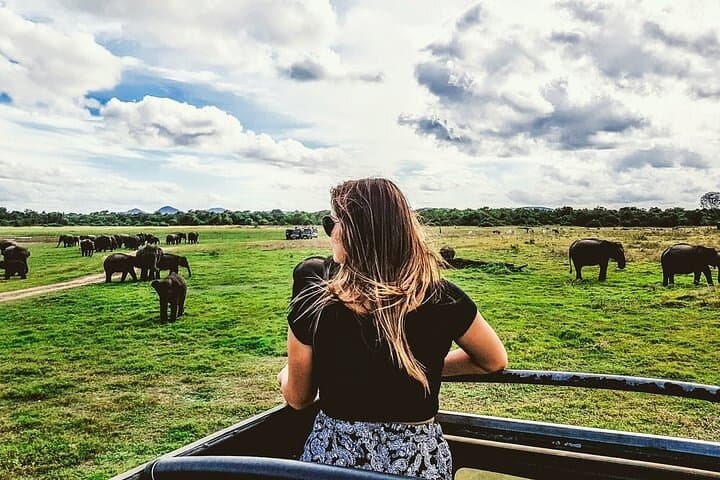
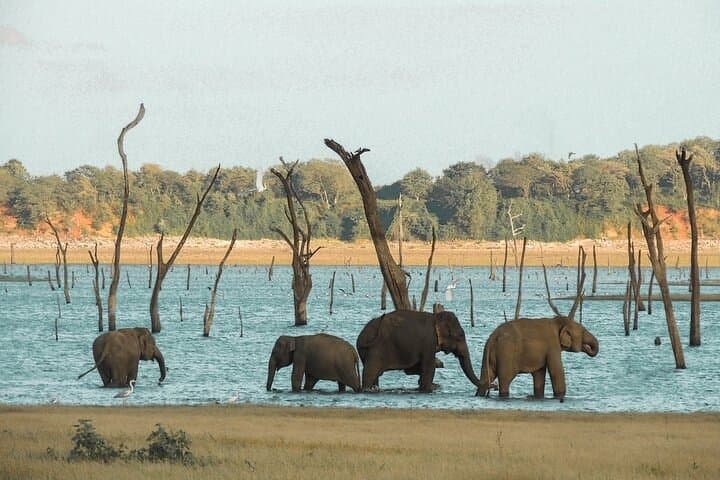
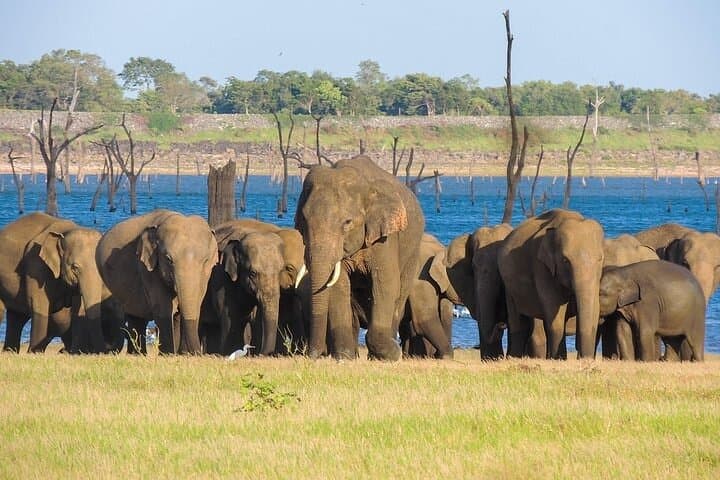
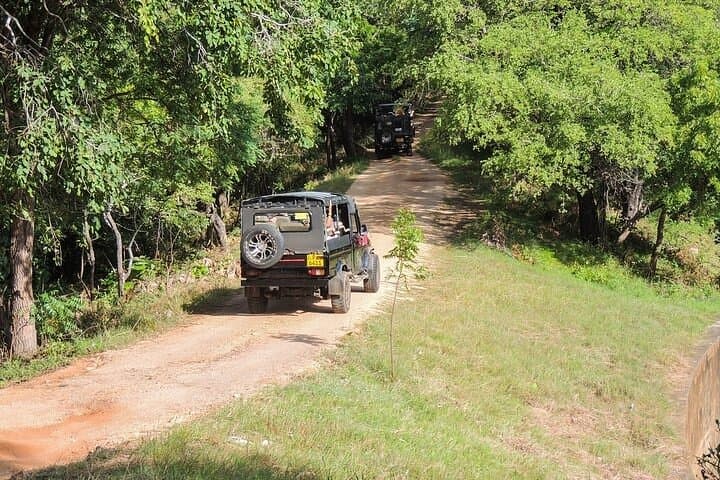
The jeep eases onto a dusty track before dawn, and the reservoir’s mirror brightens as elephants appear like slow-moving islands at the water’s edge. Dust and trumpets compete with birdsong; the driver eases the engine and the herd ignores the human spectators, intent on the grass and the shallow shore.
The jeep eases onto a dusty track before dawn, and the reservoir’s mirror brightens as elephants appear like slow-moving islands at the water’s edge. Dust and trumpets compete with birdsong; the driver eases the engine and the herd ignores the human spectators, intent on the grass and the shallow shore.
Minneriya and Kaudulla sit on the island’s ancient dry-zone plains shaped by centuries of irrigation engineering from the Anuradhapura era. Broad tanks, seasonal wetlands and flat scrublands create a patchwork of habitats where Asian elephants, sambar deer and waterfowl concentrate, especially around the late dry months when water levels drop and grasses draw animals together.
Local culture in this region still orbits those reservoirs: villagers depend on paddy fields and fishing, and traditional stilted tanks recall old hydraulic know-how. Drivers double as trackers; their eye for movement and behavior often makes the difference between a distant silhouette and a close herd encounter.
Practicalities: tours run early morning or late afternoon (3–4 hours including transfers from Sigiriya). Bring sun protection, a telephoto lens or binoculars, closed shoes for uneven jeep access and a light rain layer in the shoulder seasons. Keep distance from calves, follow the guide’s instructions, and avoid sudden movements or loud noises—wildlife in these parks is protected but habituated to vehicles, not people on foot. Peak elephant congregation occurs in August–October; plan your visit around those months for the highest chance of large herds.