THE ADVENTURE COLLECTIVE® · Independent discovery and booking for outdoor travel

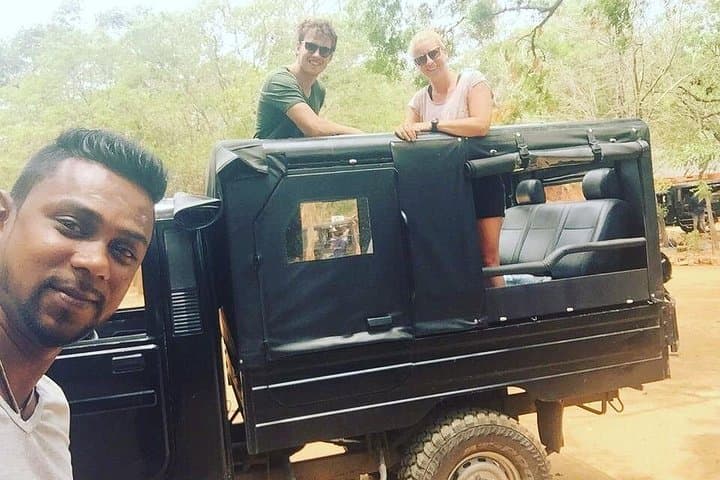
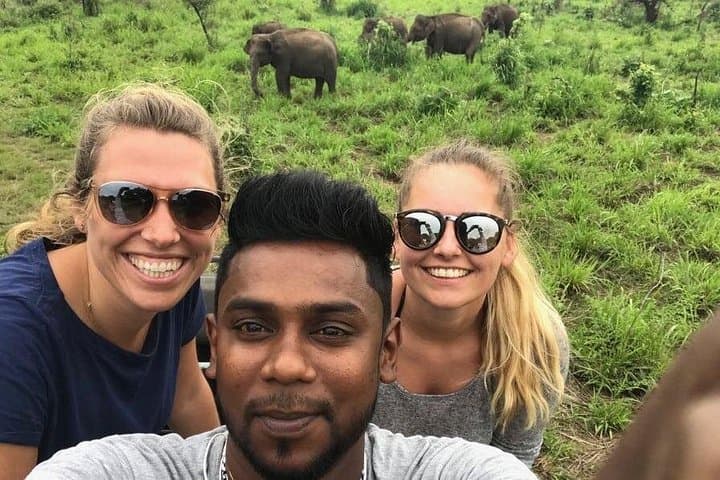
Climb Sigiriya or Pidurangala, stroll the medieval ruins of Polonnaruwa, then head to Habarana’s parks for an elephant-rich jeep safari—one long, varied day across Sri Lanka’s cultural and wildlife heartland.
Climb Sigiriya or Pidurangala, stroll the medieval ruins of Polonnaruwa, then head to Habarana’s parks for an elephant-rich jeep safari—one long, varied day across Sri Lanka’s cultural and wildlife heartland.
A morning on the dry plains north of Kandy begins with the hard, red stone of Sigiriya rising out of paddy fields—its sheer face cutting the horizon like an ancient wall daring you to climb. Climbers feel the rhythm of metal stairs and rock terraces underfoot as frescoes and the ruined summit palace come into view; nearby, Pidurangala offers a quieter, panoramic counterpoint if you prefer fewer crowds and a short, steep scramble.
Verified experiences and guided adventures in the surrounding area.
Operated by Dambulla Tuk Tuk Saman Travels · Sigiriya, Central Province
A morning on the dry plains north of Kandy begins with the hard, red stone of Sigiriya rising out of paddy fields—its sheer face cutting the horizon like an ancient wall daring you to climb. Climbers feel the rhythm of metal stairs and rock terraces underfoot as frescoes and the ruined summit palace come into view; nearby, Pidurangala offers a quieter, panoramic counterpoint if you prefer fewer crowds and a short, steep scramble.
This loop ties two UNESCO-era landscapes: Sigiriya’s 5th‑century rock fortress—built by King Kasyapa—and the medieval city of Polonnaruwa, the island’s 11th–13th century capital with well-preserved brick stupas, Buddha statues, and irrigation works that reveal sophisticated ancient engineering. Geologically, the region is a fractured Precambrian bedrock plateau with isolated granite outcrops; culturally, villages, temple etiquette, and Ayurvedic practices still shape the visitor experience.
Practical rhythm: expect a full day (roughly 10 hours) that blends short, steep climbs (Sigiriya ~200 m elevation difference, 30–60 minutes up) with flat archaeological walks (Polonnaruwa: 3–5 km to cover main monuments) and a jeep safari in Minneriya/Kaudulla/Habarana in the cooler morning or late afternoon when elephants gather.
Bring sun protection, modest temple clothing, water, and insect repellent; plan for early starts to avoid midday heat and the bulk of the tour buses. Local guides navigate temple rules and wildlife etiquette—don’t feed animals, stay in the vehicle on safari, and allow the landscape to set the pace.
moderate.
10 hours.
Light to moderate fitness; able to climb 30–60 minutes and walk several kilometers on uneven ground.
This tour description indicates it is sold without entrance tickets; plan to purchase tickets for Sigiriya, Polonnaruwa and any national parks at the sites or confirm with the operator before arrival.
Expect 30–60 minutes each way depending on pace and crowding; the climb involves stairs and narrow walkways and gains roughly 150–200 meters.
Minneriya and Kaudulla are both known for seasonal elephant gatherings; timing and local conditions determine which park the driver selects.
The itinerary lists hotel pickup and drop‑off as included—confirm your pickup location and time when you book.
Sigiriya is a 5th‑century rock fortress built by King Kasyapa; Polonnaruwa served as Sri Lanka’s medieval capital from the 11th to 13th centuries.
Stick to marked paths, avoid feeding wildlife, and use licensed jeep operators who follow park guidelines to minimize disturbance.
Dambulla Tuk Tuk Saman Travels operates guided outdoor trips and adventures with an emphasis on safety, stewardship, and memorable experiences.

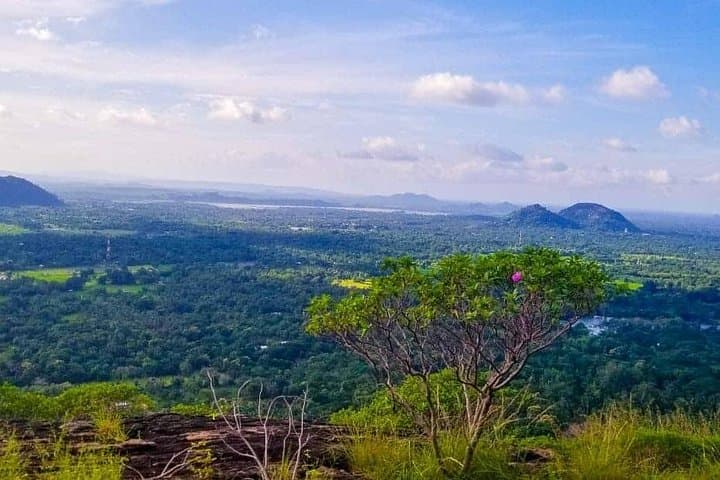
A morning on the dry plains north of Kandy begins with the hard, red stone of Sigiriya rising out of paddy fields—its sheer face cutting the horizon like an ancient wall daring you to climb. Climbers feel the rhythm of metal stairs and rock terraces underfoot as frescoes and the ruined summit palace come into view; nearby, Pidurangala offers a quieter, panoramic counterpoint if you prefer fewer crowds and a short, steep scramble.
A morning on the dry plains north of Kandy begins with the hard, red stone of Sigiriya rising out of paddy fields—its sheer face cutting the horizon like an ancient wall daring you to climb. Climbers feel the rhythm of metal stairs and rock terraces underfoot as frescoes and the ruined summit palace come into view; nearby, Pidurangala offers a quieter, panoramic counterpoint if you prefer fewer crowds and a short, steep scramble.
This loop ties two UNESCO-era landscapes: Sigiriya’s 5th‑century rock fortress—built by King Kasyapa—and the medieval city of Polonnaruwa, the island’s 11th–13th century capital with well-preserved brick stupas, Buddha statues, and irrigation works that reveal sophisticated ancient engineering. Geologically, the region is a fractured Precambrian bedrock plateau with isolated granite outcrops; culturally, villages, temple etiquette, and Ayurvedic practices still shape the visitor experience.
Practical rhythm: expect a full day (roughly 10 hours) that blends short, steep climbs (Sigiriya ~200 m elevation difference, 30–60 minutes up) with flat archaeological walks (Polonnaruwa: 3–5 km to cover main monuments) and a jeep safari in Minneriya/Kaudulla/Habarana in the cooler morning or late afternoon when elephants gather.
Bring sun protection, modest temple clothing, water, and insect repellent; plan for early starts to avoid midday heat and the bulk of the tour buses. Local guides navigate temple rules and wildlife etiquette—don’t feed animals, stay in the vehicle on safari, and allow the landscape to set the pace.