THE ADVENTURE COLLECTIVE® · Independent discovery and booking for outdoor travel

Climb the dramatic rock fortress of Sigiriya, then slip into the wide plains for a Minneriya jeep safari in search of Sri Lanka’s famed elephant gatherings. This full‑day tour pairs archaeology with wildlife viewing for a rare, compact taste of the island’s past and present.
Climb the dramatic rock fortress of Sigiriya, then slip into the wide plains for a Minneriya jeep safari in search of Sri Lanka’s famed elephant gatherings. This full‑day tour pairs archaeology with wildlife viewing for a rare, compact taste of the island’s past and present.
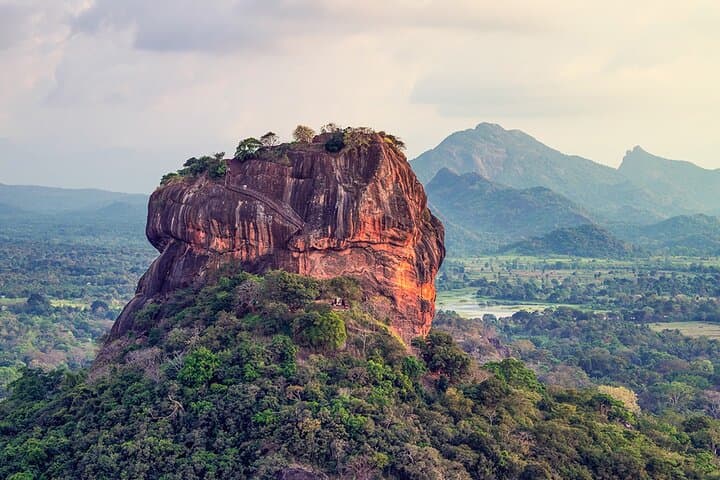
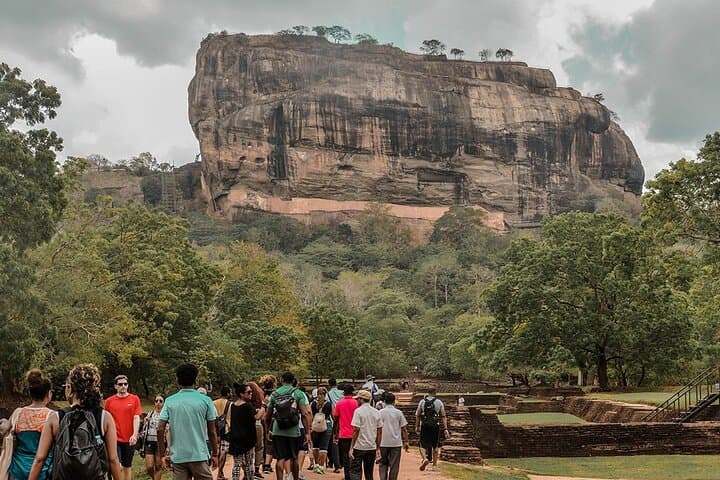
You arrive before the sun climbs the face of Sigiriya and the rock is a dark silhouette against a lambent sky. The climb begins on cooling stone steps and through iron walkways bolted to a vertical wall—each rung a reminder that this place was built to be seen and defended. From the palace terraces at the summit, the plains around Polonnaruwa open like a living map: rice paddies, reservoirs, and the low green sweep that funnels wildlife toward Minneriya’s lakes.
Verified experiences and guided adventures in the surrounding area.
Operated by Lakpura LLC · Sigiriya, Central Province
You arrive before the sun climbs the face of Sigiriya and the rock is a dark silhouette against a lambent sky. The climb begins on cooling stone steps and through iron walkways bolted to a vertical wall—each rung a reminder that this place was built to be seen and defended. From the palace terraces at the summit, the plains around Polonnaruwa open like a living map: rice paddies, reservoirs, and the low green sweep that funnels wildlife toward Minneriya’s lakes.
Sigiriya is more than a climb. The 200‑metre rock—an exposed mass of Precambrian gneiss and granite—was crowned in the fifth century by King Kashyapa as a fortified palace complex. Frescoes, fragments of the so‑called Mirror Wall and engineered gardens reveal a sophisticated urban vision cut into stone. A short drive east brings you to Minneriya National Park, where the dry season corrals elephants and other species into a dramatic riverside spectacle. The famous Great Elephant Gathering concentrates herds in the park’s watering grounds from roughly May through October, when dwindling water drives them together.
The day stitches culture and wildlife into a single arc: archaeology and art at Sigiriya, then the open, unpredictable theater of the jeep safari. Sigiriya’s pathways are steep but deliberate—iron stairs, shaded galleries, and lookout platforms—while the Minneriya tracks are low scrub, temporary water holes and watching birds. Local village visits on the route add human scale: traditional homes, paddy irrigation channels, and the rhythms of rural life that have fed these landscapes for centuries.
Plan for heat and dust. Start early to take advantage of cooler air on the ascent, and schedule the safari for mid‑afternoon or late afternoon when elephants are most active. Bring cash for entry fees and modest temple purchases—tickets and local vendors often don’t accept cards. Footwear with secure grip, sun protection and a lightweight rain layer will keep you comfortable climbing and watching from an open jeep.
On safari, keep distance and listen to your guide; elephants may appear suddenly at the water’s edge and will set the pace. Respect park rules—stay in the vehicle, avoid flash photography near nests, and don’t feed wildlife. For photographers, the best frames come at sunrise on the Sigiriya plateau or at golden hour on the Minneriya lakeshore, where elephants silhouette against rippled water.
This is a long day—expect 10–11 hours—but the payoff is distinct: ancient engineering and frescoed walls in the morning, and the raw, communal presence of Sri Lanka’s elephants in the afternoon. It’s a day that moves from human ambition carved in stone to the elemental pull of water and herd life on the plains.
moderate.
10–11 hours.
Moderate fitness for a steep ~200m climb at Sigiriya and several hours sitting/standing during safari.
This is a full‑day private tour lasting about 10–11 hours from pickup to drop‑off.
The climb gains roughly 200 metres and includes stairs and metal walkways; people with a moderate fitness level should manage comfortably with rest breaks.
Yes—entry fees and small purchases in villages are best paid in Sri Lankan rupees; some sites and vendors don’t accept cards.
The gathering is most reliable during the dry season—roughly May to October—when herds concentrate near watering areas in Minneriya.
Admission is not included; expect to purchase Sigiriya and park entry tickets separately or pay locally as instructed by your operator.
Yes, but consider the steep ascent at Sigiriya and long day length; children and older adults should assess mobility and comfort with stairs.
Sigiriya was transformed into a royal citadel by King Kashyapa in the 5th century, leaving frescoes and engineered gardens carved into the rock.
Minneriya’s wildlife depends on seasonal water availability; adhere to park rules to reduce disturbance and avoid off‑track driving that damages habitat.
Lakpura LLC operates guided outdoor trips and adventures with an emphasis on safety, stewardship, and memorable experiences.
You arrive before the sun climbs the face of Sigiriya and the rock is a dark silhouette against a lambent sky. The climb begins on cooling stone steps and through iron walkways bolted to a vertical wall—each rung a reminder that this place was built to be seen and defended. From the palace terraces at the summit, the plains around Polonnaruwa open like a living map: rice paddies, reservoirs, and the low green sweep that funnels wildlife toward Minneriya’s lakes.
You arrive before the sun climbs the face of Sigiriya and the rock is a dark silhouette against a lambent sky. The climb begins on cooling stone steps and through iron walkways bolted to a vertical wall—each rung a reminder that this place was built to be seen and defended. From the palace terraces at the summit, the plains around Polonnaruwa open like a living map: rice paddies, reservoirs, and the low green sweep that funnels wildlife toward Minneriya’s lakes.
Sigiriya is more than a climb. The 200‑metre rock—an exposed mass of Precambrian gneiss and granite—was crowned in the fifth century by King Kashyapa as a fortified palace complex. Frescoes, fragments of the so‑called Mirror Wall and engineered gardens reveal a sophisticated urban vision cut into stone. A short drive east brings you to Minneriya National Park, where the dry season corrals elephants and other species into a dramatic riverside spectacle. The famous Great Elephant Gathering concentrates herds in the park’s watering grounds from roughly May through October, when dwindling water drives them together.
The day stitches culture and wildlife into a single arc: archaeology and art at Sigiriya, then the open, unpredictable theater of the jeep safari. Sigiriya’s pathways are steep but deliberate—iron stairs, shaded galleries, and lookout platforms—while the Minneriya tracks are low scrub, temporary water holes and watching birds. Local village visits on the route add human scale: traditional homes, paddy irrigation channels, and the rhythms of rural life that have fed these landscapes for centuries.
Plan for heat and dust. Start early to take advantage of cooler air on the ascent, and schedule the safari for mid‑afternoon or late afternoon when elephants are most active. Bring cash for entry fees and modest temple purchases—tickets and local vendors often don’t accept cards. Footwear with secure grip, sun protection and a lightweight rain layer will keep you comfortable climbing and watching from an open jeep.
On safari, keep distance and listen to your guide; elephants may appear suddenly at the water’s edge and will set the pace. Respect park rules—stay in the vehicle, avoid flash photography near nests, and don’t feed wildlife. For photographers, the best frames come at sunrise on the Sigiriya plateau or at golden hour on the Minneriya lakeshore, where elephants silhouette against rippled water.
This is a long day—expect 10–11 hours—but the payoff is distinct: ancient engineering and frescoed walls in the morning, and the raw, communal presence of Sri Lanka’s elephants in the afternoon. It’s a day that moves from human ambition carved in stone to the elemental pull of water and herd life on the plains.