THE ADVENTURE COLLECTIVE® · Independent discovery and booking for outdoor travel

Climb the 200‑metre Sigiriya Rock Fortress and step into the painted caverns of Dambulla on a private day trip that blends dramatic climbs with quiet devotional spaces. This guided route pairs panoramic lookout points with cave temples rich in history and living culture.
Climb the 200‑metre Sigiriya Rock Fortress and step into the painted caverns of Dambulla on a private day trip that blends dramatic climbs with quiet devotional spaces. This guided route pairs panoramic lookout points with cave temples rich in history and living culture.
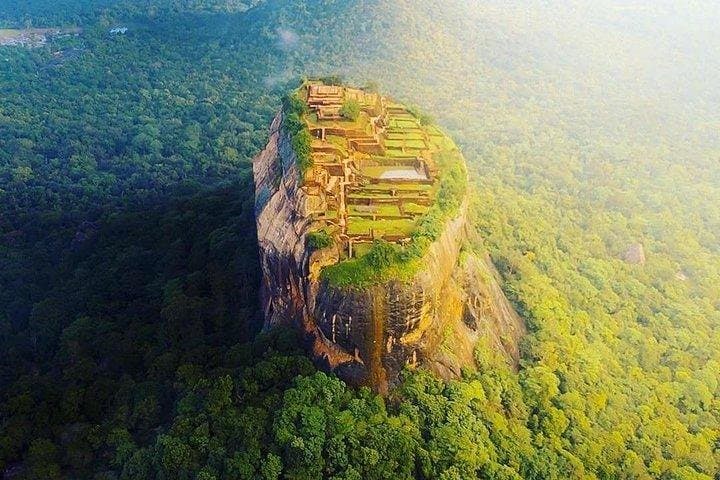
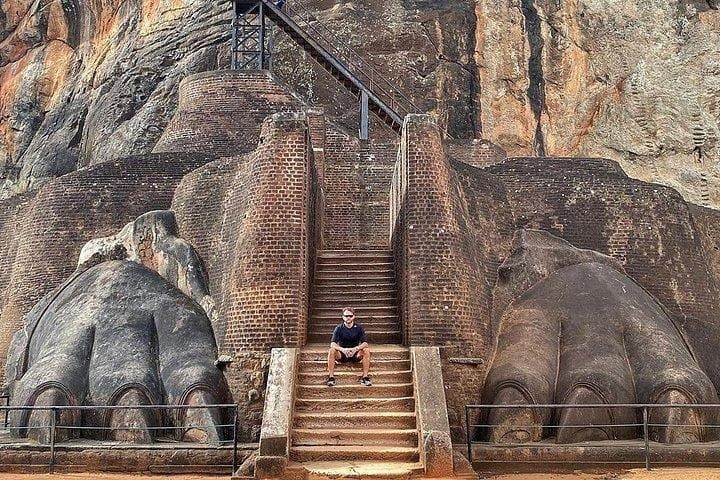
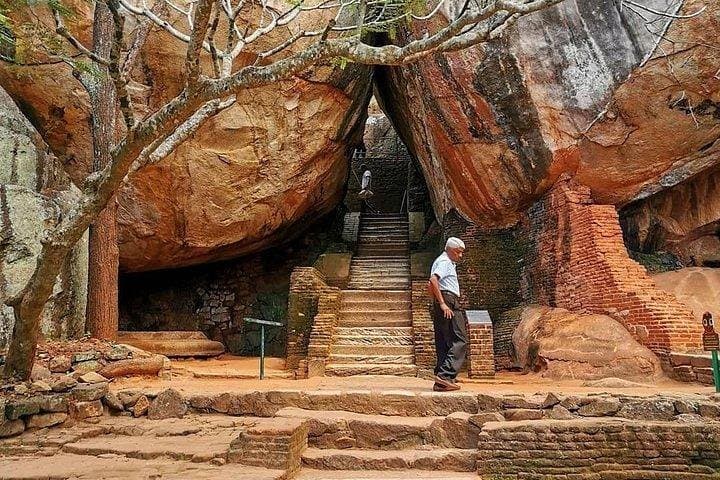
Morning arrives over the Cultural Triangle like a slow reveal: fog lifts from low rice paddies, the basalt tower of Sigiriya pierces the haze, and the first metal stairways catch the sun. You step from an air-conditioned vehicle into heat that already presses against your shirt, guided along pathways rimmed with lotus ponds and battered brickwork that belonged to a kingdom long gone. The climb up Sigiriya is part archaeology, part theater—stone steps, iron walkways and painted panels that force you to slow down and look.
Verified experiences and guided adventures in the surrounding area.
Operated by Beyond Escapes · Sigiriya, Central Province
Morning arrives over the Cultural Triangle like a slow reveal: fog lifts from low rice paddies, the basalt tower of Sigiriya pierces the haze, and the first metal stairways catch the sun. You step from an air-conditioned vehicle into heat that already presses against your shirt, guided along pathways rimmed with lotus ponds and battered brickwork that belonged to a kingdom long gone. The climb up Sigiriya is part archaeology, part theater—stone steps, iron walkways and painted panels that force you to slow down and look.
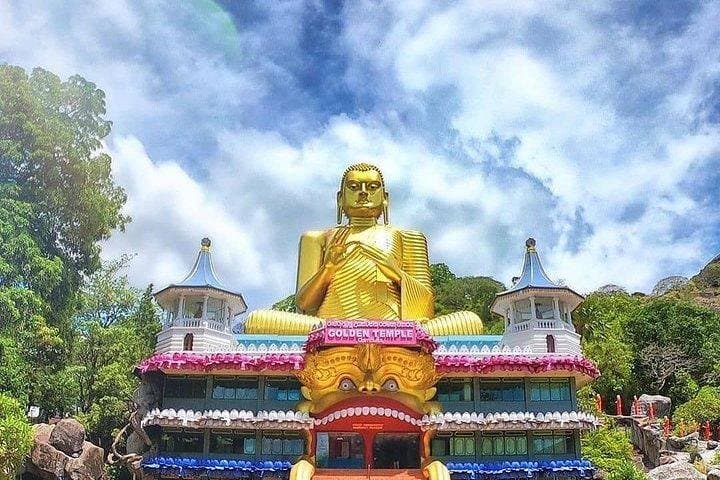
Sigiriya, a 200‑metre column of Precambrian rock, was fortified by King Kashyapa in the 5th century CE. His palace terraces wrap the base and a plateau once held gardens and reservoirs whose geometry still reads clearly from above. A short drive away, the Dambulla Cave Temples unfold a different kind of time: Buddhist rock caverns with low, cool ceilings covered in centuries of murals and gilded Buddha figures, carved and repainted across eras.
Geology here is blunt and direct—ancient gneiss and granite pushed up and left to weather into domes and towers. The rock doesn’t ask permission; it frames views back across plains that were once strategic fields of sight for armies and rulers. Culturally, you’ll notice lived layers: farmers tending paddy with buffalo, tuk‑tuks idling at roadside stalls selling king coconut and spice mixes, and monks who still walk the temple grounds in saffron robes.
Practicalities are straightforward. Expect about 1–2 hours exploring Sigiriya’s summit areas and mirror pools, and roughly 1–1.5 hours inside Dambulla’s caves. The ascent to Sigiriya’s top gains around 200 metres in elevation and includes several flights of steep steps and metal platforms—plan for 20–40 minutes each way depending on fitness and crowds. The cave floors at Dambulla are uneven with low sections; modest mobility limits make both sites challenging.
Bring sturdy shoes with good grip, sunscreen, a refillable water bottle and a light scarf to cover shoulders and knees at Dambulla. Start early: sunrise or early morning reduces heat and avoids midday crowds. A private tour with hotel pickup simplifies logistics—the operator will typically include water bottles and an English‑speaking chauffeur guide, but entrance fees are paid on site.
Respect is part of the visit: don’t touch the frescoes, leave offerings to the temple caretakers if you wish, and stay on marked paths to protect fragile archaeological features. Done right, the day offers two contrasting encounters with Sri Lanka’s past—one vertical and commanding, the other hushed and ornate—both insisting you slow down and pay attention.
moderate.
10–14 hours.
Moderate fitness—able to climb stairs and walk on uneven surfaces for several hours.
No—entrance fees for Sigiriya and Dambulla are typically paid on site; your booking covers transport, guide and bottled water.
The ascent takes roughly 20–40 minutes depending on pace and crowds; plan additional time for terraces, frescoes and the summit view.
Children who can handle stairs and elderly travelers without serious mobility issues can usually participate; the tour notes advise against spinal or serious heart conditions.
Photography is generally allowed but be respectful—avoid flash in certain sanctums and follow any signage or temple attendant instructions.
Most itineraries include stops where you can buy snacks or a light meal; you can also request a stop at a local restaurant through your guide.
Tipping is customary in Sri Lanka for good service—small amounts for driver and guide are appreciated but not mandatory.
Sigiriya was fortified by King Kashyapa in the 5th century CE and served as both palace and defensive stronghold; Dambulla’s caves contain Buddhist murals and statues dating back over two millennia.
Both sites are UNESCO‑listed and rely on visitor etiquette—stay on marked paths, avoid touching murals, and minimize plastic waste to protect fragile surfaces.
Beyond Escapes operates guided outdoor trips and adventures with an emphasis on safety, stewardship, and memorable experiences.
Morning arrives over the Cultural Triangle like a slow reveal: fog lifts from low rice paddies, the basalt tower of Sigiriya pierces the haze, and the first metal stairways catch the sun. You step from an air-conditioned vehicle into heat that already presses against your shirt, guided along pathways rimmed with lotus ponds and battered brickwork that belonged to a kingdom long gone. The climb up Sigiriya is part archaeology, part theater—stone steps, iron walkways and painted panels that force you to slow down and look.
Morning arrives over the Cultural Triangle like a slow reveal: fog lifts from low rice paddies, the basalt tower of Sigiriya pierces the haze, and the first metal stairways catch the sun. You step from an air-conditioned vehicle into heat that already presses against your shirt, guided along pathways rimmed with lotus ponds and battered brickwork that belonged to a kingdom long gone. The climb up Sigiriya is part archaeology, part theater—stone steps, iron walkways and painted panels that force you to slow down and look.
Sigiriya, a 200‑metre column of Precambrian rock, was fortified by King Kashyapa in the 5th century CE. His palace terraces wrap the base and a plateau once held gardens and reservoirs whose geometry still reads clearly from above. A short drive away, the Dambulla Cave Temples unfold a different kind of time: Buddhist rock caverns with low, cool ceilings covered in centuries of murals and gilded Buddha figures, carved and repainted across eras.
Geology here is blunt and direct—ancient gneiss and granite pushed up and left to weather into domes and towers. The rock doesn’t ask permission; it frames views back across plains that were once strategic fields of sight for armies and rulers. Culturally, you’ll notice lived layers: farmers tending paddy with buffalo, tuk‑tuks idling at roadside stalls selling king coconut and spice mixes, and monks who still walk the temple grounds in saffron robes.
Practicalities are straightforward. Expect about 1–2 hours exploring Sigiriya’s summit areas and mirror pools, and roughly 1–1.5 hours inside Dambulla’s caves. The ascent to Sigiriya’s top gains around 200 metres in elevation and includes several flights of steep steps and metal platforms—plan for 20–40 minutes each way depending on fitness and crowds. The cave floors at Dambulla are uneven with low sections; modest mobility limits make both sites challenging.
Bring sturdy shoes with good grip, sunscreen, a refillable water bottle and a light scarf to cover shoulders and knees at Dambulla. Start early: sunrise or early morning reduces heat and avoids midday crowds. A private tour with hotel pickup simplifies logistics—the operator will typically include water bottles and an English‑speaking chauffeur guide, but entrance fees are paid on site.
Respect is part of the visit: don’t touch the frescoes, leave offerings to the temple caretakers if you wish, and stay on marked paths to protect fragile archaeological features. Done right, the day offers two contrasting encounters with Sri Lanka’s past—one vertical and commanding, the other hushed and ornate—both insisting you slow down and pay attention.