THE ADVENTURE COLLECTIVE® · Independent discovery and booking for outdoor travel

Leave Colombo before sunrise to climb the towering Sigiriya Rock and explore the painted caverns of Dambulla in a single, private day. Expect long transfers, steep metal staircases, and a deep dive into Sri Lanka’s ancient kingdoms.
Leave Colombo before sunrise to climb the towering Sigiriya Rock and explore the painted caverns of Dambulla in a single, private day. Expect long transfers, steep metal staircases, and a deep dive into Sri Lanka’s ancient kingdoms.
You step out before dawn as Colombo still sleeps, and the road unspools through paddy fields and low hills until the granite of Sigiriya appears: a single, abrupt column rising from the plains like an island of stone. By midmorning the metal staircases glint, and you begin the climb—each flight a different angle on the rock’s history and the jungle that presses against its base.
Verified experiences and guided adventures in the surrounding area.
Operated by Lankan Detours · Sigiriya, Central Province
You step out before dawn as Colombo still sleeps, and the road unspools through paddy fields and low hills until the granite of Sigiriya appears: a single, abrupt column rising from the plains like an island of stone. By midmorning the metal staircases glint, and you begin the climb—each flight a different angle on the rock’s history and the jungle that presses against its base.
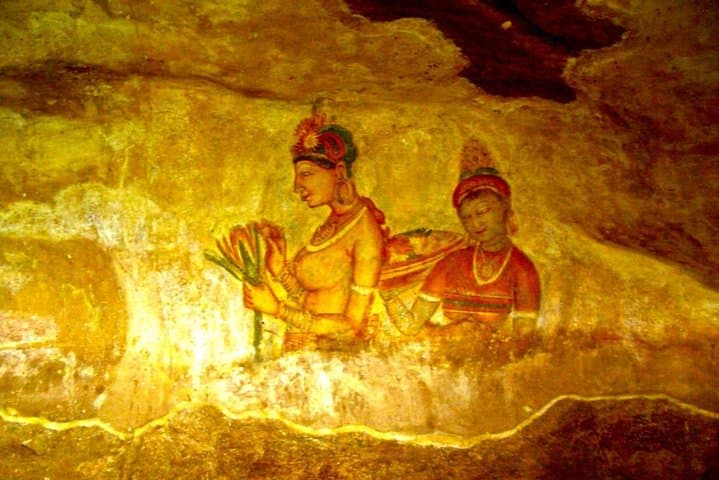
Sigiriya is more than an Instagram shot; it's the remnant of a 5th-century hilltop citadel built by King Kasyapa. The ascent threads past frescoes clinging to the shear face, through mirrored pools where ancient water gardens collect, to a summit scatter of foundations and views that extend to the knobby outline of Dambulla. Geologically the rock is a hardened magma plug, resistant to erosion, which is why it towers where softer stone has washed away.
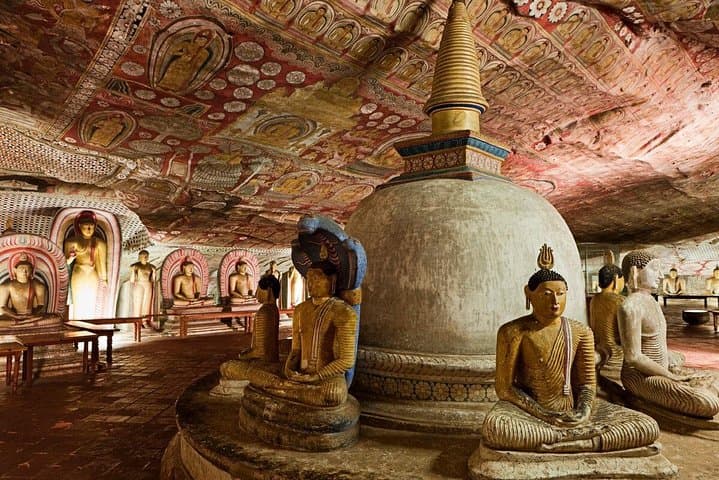
A few kilometers away, the Dambulla Cave Temple shifts the day's tone. Five caves carved into a low volcanic outcrop contain hundreds of Buddha statues and muraled ceilings—paint and plaster layered through centuries. The caves were first converted to a temple in the first century BCE and later expanded by successive patrons; your guide will point out the shifting styles and the evidence of restoration efforts.
Culturally, both sites are anchors of Sri Lanka’s ancient kingdom era. Local villagers still maintain offerings at shrines and sell lacquerware and woodcarvings along the road, the commerce that has grown around pilgrimage and tourism. Expect a mix of pilgrimage solemnity at Dambulla and the more tour-focused bustle at Sigiriya’s base.
Practical guide: the full private day runs 12–15 hours from Colombo with long transfers (about four hours each way). Start early to avoid the midday heat and crowds at Sigiriya; climb in the cooler morning light and save Dambulla for the afternoon when shadows deepen in the caves. Bring at least 2–3 liters of water, a sun hat, and shoes with good grip—the metal stairs are secure but can be hot or slippery when wet.
Tickets and entry fees are typically covered if you choose the option; otherwise budget for admission at both sites and a modest tip for your English-speaking chauffeur-guide. Physical demands are moderate: steep flights of stairs and walking on uneven surfaces. If you have mobility issues, the summit climb is not suitable.
Whether you come for history, geology, or the view, the day pairs the theatrical verticality of Sigiriya with the contemplative cool of Dambulla’s cave sanctuaries—two eras of Sri Lankan archaeology threaded into a long but manageable day trip from Colombo.
moderate.
12–15 hours.
Moderate fitness recommended—able to climb long flights of stairs and walk on uneven terrain.
Each transfer is approximately four hours depending on traffic; plan for a full day with both sites included.
Entrance fees are included only if you select the option that covers admissions; otherwise they are payable on site—confirm at booking.
The climb involves long metal stair sections and steep steps; it's strenuous but non-technical and suitable for those with moderate fitness.
Yes, children can join but must be accompanied by an adult and are subject to the child fare conditions; steep sections may be challenging for very young children.
Photography is allowed but avoid flash in some areas and be respectful of worshippers—your guide will advise onsite rules.
Dress modestly—shoulders and knees covered—and be prepared to remove shoes and hats when entering the cave temples.
Sigiriya was converted into a fortified royal citadel in the 5th century CE by King Kasyapa; Dambulla has been a continuous Buddhist pilgrimage site since the 1st century BCE.
Both sites are managed with conservation in mind—stick to marked paths, avoid touching frescoes, and support local guides to ensure tourism benefits the community.
Lankan Detours operates guided outdoor trips and adventures with an emphasis on safety, stewardship, and memorable experiences.
You step out before dawn as Colombo still sleeps, and the road unspools through paddy fields and low hills until the granite of Sigiriya appears: a single, abrupt column rising from the plains like an island of stone. By midmorning the metal staircases glint, and you begin the climb—each flight a different angle on the rock’s history and the jungle that presses against its base.
You step out before dawn as Colombo still sleeps, and the road unspools through paddy fields and low hills until the granite of Sigiriya appears: a single, abrupt column rising from the plains like an island of stone. By midmorning the metal staircases glint, and you begin the climb—each flight a different angle on the rock’s history and the jungle that presses against its base.
Sigiriya is more than an Instagram shot; it's the remnant of a 5th-century hilltop citadel built by King Kasyapa. The ascent threads past frescoes clinging to the shear face, through mirrored pools where ancient water gardens collect, to a summit scatter of foundations and views that extend to the knobby outline of Dambulla. Geologically the rock is a hardened magma plug, resistant to erosion, which is why it towers where softer stone has washed away.
A few kilometers away, the Dambulla Cave Temple shifts the day's tone. Five caves carved into a low volcanic outcrop contain hundreds of Buddha statues and muraled ceilings—paint and plaster layered through centuries. The caves were first converted to a temple in the first century BCE and later expanded by successive patrons; your guide will point out the shifting styles and the evidence of restoration efforts.
Culturally, both sites are anchors of Sri Lanka’s ancient kingdom era. Local villagers still maintain offerings at shrines and sell lacquerware and woodcarvings along the road, the commerce that has grown around pilgrimage and tourism. Expect a mix of pilgrimage solemnity at Dambulla and the more tour-focused bustle at Sigiriya’s base.
Practical guide: the full private day runs 12–15 hours from Colombo with long transfers (about four hours each way). Start early to avoid the midday heat and crowds at Sigiriya; climb in the cooler morning light and save Dambulla for the afternoon when shadows deepen in the caves. Bring at least 2–3 liters of water, a sun hat, and shoes with good grip—the metal stairs are secure but can be hot or slippery when wet.
Tickets and entry fees are typically covered if you choose the option; otherwise budget for admission at both sites and a modest tip for your English-speaking chauffeur-guide. Physical demands are moderate: steep flights of stairs and walking on uneven surfaces. If you have mobility issues, the summit climb is not suitable.
Whether you come for history, geology, or the view, the day pairs the theatrical verticality of Sigiriya with the contemplative cool of Dambulla’s cave sanctuaries—two eras of Sri Lankan archaeology threaded into a long but manageable day trip from Colombo.