THE ADVENTURE COLLECTIVE® · Independent discovery and booking for outdoor travel

Skip the buses and move at your own pace on a private day that pairs the dramatic ascent of Sigiriya and Pidurangala with the hushed sanctuaries of Dambulla Cave Temple. Expect steep stairs, cool cave interiors, and panoramic rewards.
Skip the buses and move at your own pace on a private day that pairs the dramatic ascent of Sigiriya and Pidurangala with the hushed sanctuaries of Dambulla Cave Temple. Expect steep stairs, cool cave interiors, and panoramic rewards.
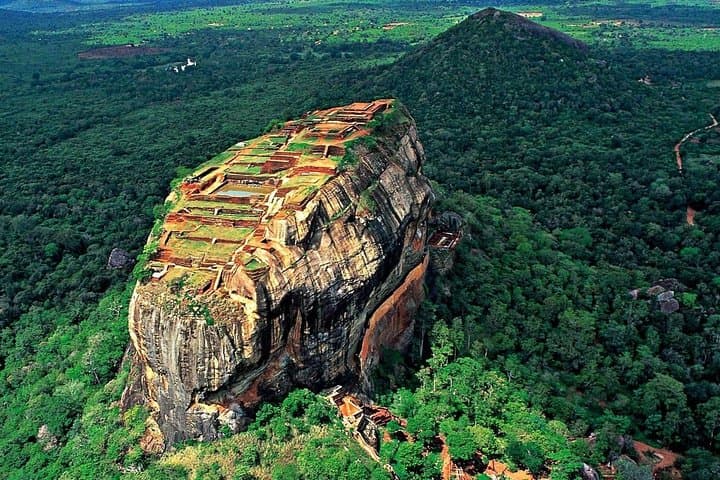
You step out of the air‑conditioned car into heat that already feels like a living thing—humid, heavy, smelling of wet earth and drying grass. Ahead, a sheer column of stone pins the skyline: Sigiriya, the 200‑meter rock fortress that throws a long shadow over rice paddies and scrub forest. The private driver folds luggage into the trunk and, for the next eight hours, your itinerary is a compact education in Sri Lanka’s layered past—Buddhist cave sanctuaries, a king’s controversial palace, and a climb that rewards sweat with sweeping views.
Verified experiences and guided adventures in the surrounding area.
Operated by JK Travels sri lanka · Sigiriya, Central Province
You step out of the air‑conditioned car into heat that already feels like a living thing—humid, heavy, smelling of wet earth and drying grass. Ahead, a sheer column of stone pins the skyline: Sigiriya, the 200‑meter rock fortress that throws a long shadow over rice paddies and scrub forest. The private driver folds luggage into the trunk and, for the next eight hours, your itinerary is a compact education in Sri Lanka’s layered past—Buddhist cave sanctuaries, a king’s controversial palace, and a climb that rewards sweat with sweeping views.
The day begins at Pidurangala if you opt for a quieter ascent. Compared to Sigiriya’s engineered terraces, Pidurangala is raw—jagged boulders, rooty trails and a scramble that tests balance. From its summit you get the best photographic counterpoint: Sigiriya’s monolithic profile framed by palms and paddy reflections.
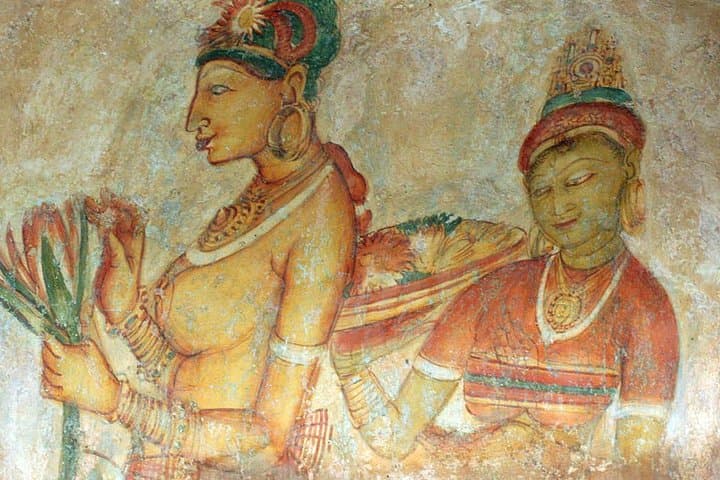
Sigiriya itself is an engineered wonder of the 5th century CE, carved and terraced under King Kasyapa who turned the rock into a fortified palace with gardens, frescoes and mirror walls. The climb is a blend of carved stone, iron stairs and narrow platforms. Along the route you’ll pass remnant frescoes and the famed Lion’s Paw—what remains of a colossal animal gateway.
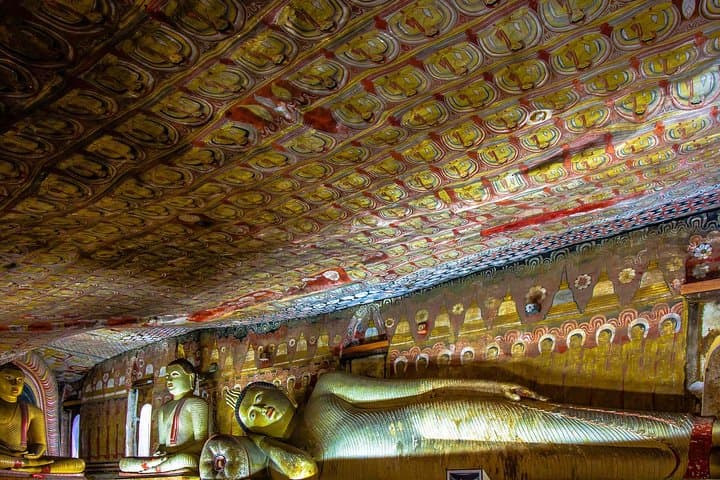
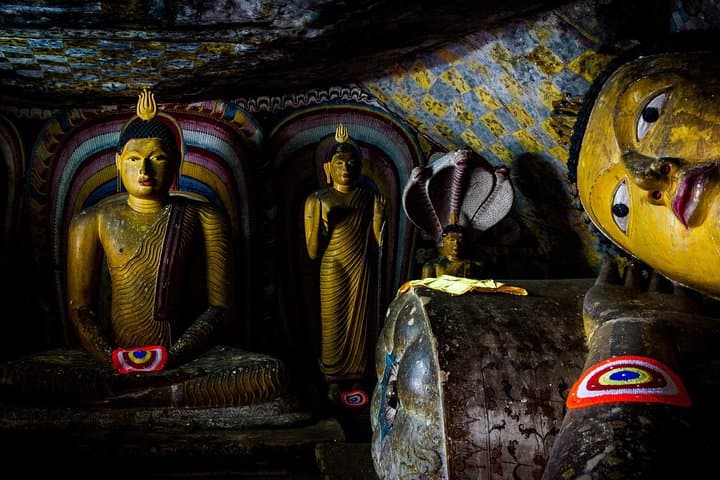
Dambulla’s cave temple shifts the mood from royal engineering to devotional interiority. Five major caves hewn into a volcanic outcrop house over a hundred Buddha images and long mural panels—lighting is dim, the air cool, and the hush forces you into smaller gestures.
Practical edges: the full loop—Pidurangala, Sigiriya, then Dambulla—covers short drives between sites (roughly 20–30 km across the circuit) and about 400–600 meters of uphill climbing in total, depending on which peaks you scale. Plan for stairs: expect several hundred steps, steep sections, and exposed metal staircases on Sigiriya. Carry 2–3 liters of water, a sun hat, and non‑slip footwear; temple visits require modest clothing that covers shoulders and knees.
This private tour saves you queuing time and folds logistics—round‑trip pickup from Sigiriya, Habarana or Dambulla—into a single day. Start early to avoid the low‑angle heat and the busiest crowds: sunrise and early morning light give the rock a clearer profile and make the climbs noticeably cooler.
Culturally, move with respect inside Dambulla—no loud conversations, remove hats, and ask before photographing some shrine areas. On balance, the day marries active travel with historical immersion: a climb that tests legs, caves that quiet the mind, and views that explain why these stones were worth defending.
moderate.
7–10 hours.
Suitable for travelers with moderate fitness who can manage several hundred steps and short rock scrambles; not recommended for those with serious back or heart problems.
Admission fees are not included—your driver can advise on current prices or you can purchase tickets at each site; the private tour removes time spent arranging transport.
Expect several hundred steps and sections of steep iron staircases; it’s strenuous in places but manageable with breaks and a steady pace.
No—temple etiquette requires shoulders and knees to be covered; bring a sarong or shawl if you prefer to change on-site.
Children who can handle stairs and older travelers in good mobility can do the tour, but it’s not recommended for those with serious spinal or heart issues due to steep sections and heat.
Yes—there are local restaurants near Sigiriya and Dambulla where you can stop for a meal; bottled water is included by the tour operator.
Photography is allowed in most areas, but be respectful in shrine spaces—avoid flash on ancient murals and follow any site restrictions.
Sigiriya was developed in the 5th century CE by King Kasyapa as a fortified palace complex; Dambulla’s cave temples contain centuries of Buddhist devotion and art.
Both Sigiriya and Dambulla are UNESCO‑protected sites—stay on marked paths, avoid touching frescoes, and dispose of waste responsibly to reduce visitor impact.
JK Travels sri lanka operates guided outdoor trips and adventures with an emphasis on safety, stewardship, and memorable experiences.
You step out of the air‑conditioned car into heat that already feels like a living thing—humid, heavy, smelling of wet earth and drying grass. Ahead, a sheer column of stone pins the skyline: Sigiriya, the 200‑meter rock fortress that throws a long shadow over rice paddies and scrub forest. The private driver folds luggage into the trunk and, for the next eight hours, your itinerary is a compact education in Sri Lanka’s layered past—Buddhist cave sanctuaries, a king’s controversial palace, and a climb that rewards sweat with sweeping views.
You step out of the air‑conditioned car into heat that already feels like a living thing—humid, heavy, smelling of wet earth and drying grass. Ahead, a sheer column of stone pins the skyline: Sigiriya, the 200‑meter rock fortress that throws a long shadow over rice paddies and scrub forest. The private driver folds luggage into the trunk and, for the next eight hours, your itinerary is a compact education in Sri Lanka’s layered past—Buddhist cave sanctuaries, a king’s controversial palace, and a climb that rewards sweat with sweeping views.
The day begins at Pidurangala if you opt for a quieter ascent. Compared to Sigiriya’s engineered terraces, Pidurangala is raw—jagged boulders, rooty trails and a scramble that tests balance. From its summit you get the best photographic counterpoint: Sigiriya’s monolithic profile framed by palms and paddy reflections.
Sigiriya itself is an engineered wonder of the 5th century CE, carved and terraced under King Kasyapa who turned the rock into a fortified palace with gardens, frescoes and mirror walls. The climb is a blend of carved stone, iron stairs and narrow platforms. Along the route you’ll pass remnant frescoes and the famed Lion’s Paw—what remains of a colossal animal gateway.
Dambulla’s cave temple shifts the mood from royal engineering to devotional interiority. Five major caves hewn into a volcanic outcrop house over a hundred Buddha images and long mural panels—lighting is dim, the air cool, and the hush forces you into smaller gestures.
Practical edges: the full loop—Pidurangala, Sigiriya, then Dambulla—covers short drives between sites (roughly 20–30 km across the circuit) and about 400–600 meters of uphill climbing in total, depending on which peaks you scale. Plan for stairs: expect several hundred steps, steep sections, and exposed metal staircases on Sigiriya. Carry 2–3 liters of water, a sun hat, and non‑slip footwear; temple visits require modest clothing that covers shoulders and knees.
This private tour saves you queuing time and folds logistics—round‑trip pickup from Sigiriya, Habarana or Dambulla—into a single day. Start early to avoid the low‑angle heat and the busiest crowds: sunrise and early morning light give the rock a clearer profile and make the climbs noticeably cooler.
Culturally, move with respect inside Dambulla—no loud conversations, remove hats, and ask before photographing some shrine areas. On balance, the day marries active travel with historical immersion: a climb that tests legs, caves that quiet the mind, and views that explain why these stones were worth defending.