THE ADVENTURE COLLECTIVE® · Independent discovery and booking for outdoor travel

In two days from Negombo, climb the towering Sigiriya rock fortress, explore the gilded caves of Dambulla and touch the birthplace of Sri Lankan Buddhism at Mihintale. This private tour pairs intense, stair-steep moments with calm temple visits and one night’s comfortable accommodation.
In two days from Negombo, climb the towering Sigiriya rock fortress, explore the gilded caves of Dambulla and touch the birthplace of Sri Lankan Buddhism at Mihintale. This private tour pairs intense, stair-steep moments with calm temple visits and one night’s comfortable accommodation.
The driver arrives before dawn in Negombo, headlights cutting through humid air as coconut palms blur past. By midmorning the bus eases onto an open plain and, from a distance, a bare, vertical crown of rock pins the skyline — Sigiriya. The climb begins with a rhythm: a few dozen stone steps, then a narrow iron stairway, then a terrace where frescoes look down with unfinished smiles. By the time you reach the mirror wall and the lion’s paws, the landscape has changed from flat paddy to a panorama of emerald tanks and forest that seems to shrug off the heat.
Verified experiences and guided adventures in the surrounding area.
Operated by OTN WORLD PVT LTD · Sigiriya, Central Province
The driver arrives before dawn in Negombo, headlights cutting through humid air as coconut palms blur past. By midmorning the bus eases onto an open plain and, from a distance, a bare, vertical crown of rock pins the skyline — Sigiriya. The climb begins with a rhythm: a few dozen stone steps, then a narrow iron stairway, then a terrace where frescoes look down with unfinished smiles. By the time you reach the mirror wall and the lion’s paws, the landscape has changed from flat paddy to a panorama of emerald tanks and forest that seems to shrug off the heat.
Sigiriya and Mihintale are not just places to tick off a list; they are chapters in Sri Lanka’s layered history. Sigiriya, a 5th-century royal citadel carved from an eroded basalt plug, alternates engineering and theatrical gesture — water gardens mapped with hydraulic skill, a palace platform poised on hard rock. Mihintale, a few hours north toward Anuradhapura, is quieter but no less pivotal: it’s where Mahinda is said to have met King Devanampiyatissa, setting off the island’s long relationship with Theravada Buddhism. Between them lie geology and human ambition — granite and gneiss rising into defensive heights, reservoirs shaped to feed both temple and town.
Culture is tactile here. At Dambulla’s cave temple you’ll duck under low rock and find golden Buddhas lined like sentries; vendors in the town trade jackfruit and spicy short eats from carts. Local guides will point out the fresco styles, the irrigation channels and the imperial inscriptions that anchor these sites to real lives.
Practical side: the Sigiriya ascent takes 1.5–2 hours round trip for most visitors and includes steep metal staircases and exposed sections. Mihintale’s stone steps demand steady feet and respect for temple protocol — remove shoes, cover shoulders and be prepared to pause for monks and pilgrims. Hydration is nonnegotiable; bottled water is included on this tour, but carry an extra bottle in hot months. Wear breathable, grippy shoes (not flip-flops) and sun protection — the rock stores heat and gives it back.
Timing matters: hit Sigiriya early to dodge tour buses and capture frescoes in soft light; return to Negombo via Anuradhapura roads in the late afternoon when traffic thins. Photography is generous here — summit views, cave interiors and rural market scenes — but be mindful of signs in sacred spaces. The itinerary includes a night in a 3-star hotel, giving you a balanced pace: one day of climbing and archaeological immersion, a second of temple circuit and returns to the coast.
For travelers wanting a compact, historically rich Sri Lankan experience, this private two-day route stitches impressive sights into manageable days — equal parts sweat and spectacle, and a clear primer to the island’s ancient heartlands.
moderate.
2 days.
Suitable for travelers with moderate fitness able to climb several hundred steps and walk uneven terrain
This tour includes admission to Sigiriya and Mihintale as specified in the itinerary; confirm included tickets on your voucher.
Expect steep sections and metal staircases; most people complete the ascent in 45–90 minutes depending on pace and stops.
The supplier notes it is not recommended for travelers with spinal issues, pregnant guests, or those with serious heart conditions due to stairs and heat.
Pickups are arranged from hotels in Negombo; the tour returns to Negombo after the second day unless otherwise arranged.
The itinerary includes one dinner and one breakfast as listed; additional meals and snacks are not included unless specified.
Tips are appreciated but discretionary; consider a small daily tip for good service, paid in LKR or another convenient currency.
Sigiriya was developed in the 5th century as a royal citadel and painted frescoes and hydraulic gardens reflect sophisticated urban planning; Mihintale is traditionally credited as the introduction point of Buddhism to Sri Lanka.
These sites are managed to protect fragile rock art and temple precincts — stick to marked paths, avoid touching frescoes and reduce plastic use to limit local waste pressure.
OTN WORLD PVT LTD operates guided outdoor trips and adventures with an emphasis on safety, stewardship, and memorable experiences.
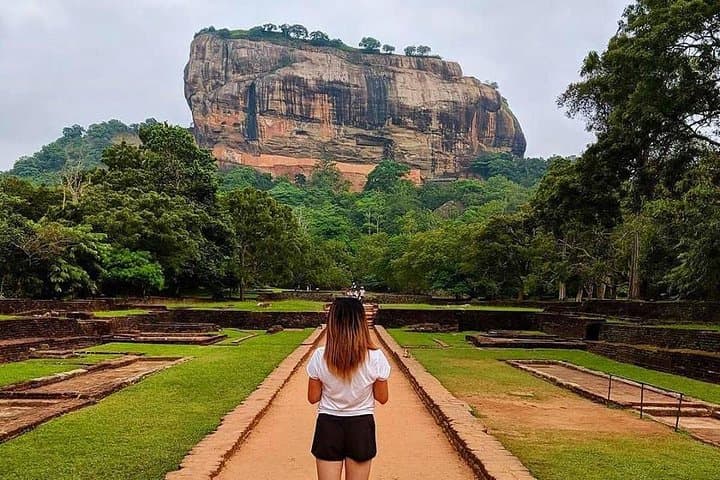
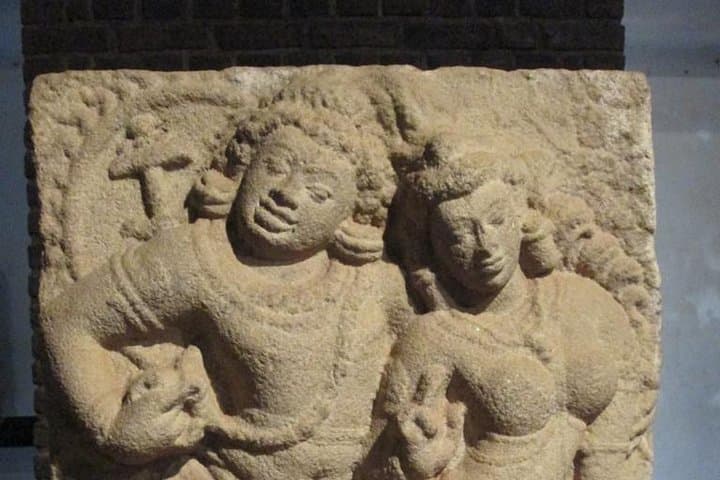
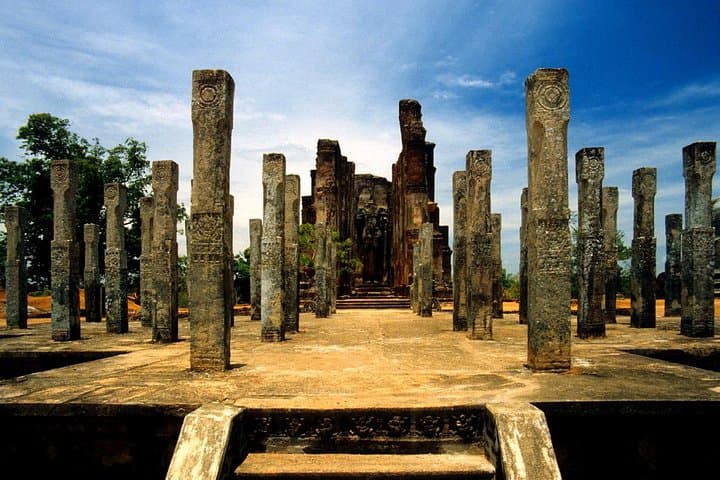
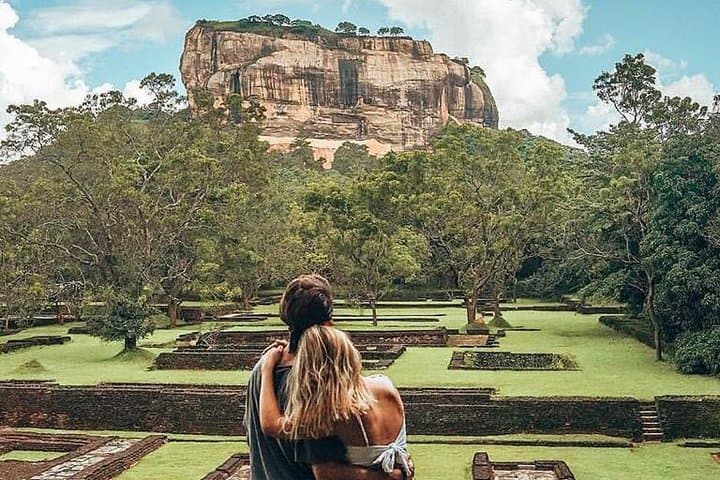
The driver arrives before dawn in Negombo, headlights cutting through humid air as coconut palms blur past. By midmorning the bus eases onto an open plain and, from a distance, a bare, vertical crown of rock pins the skyline — Sigiriya. The climb begins with a rhythm: a few dozen stone steps, then a narrow iron stairway, then a terrace where frescoes look down with unfinished smiles. By the time you reach the mirror wall and the lion’s paws, the landscape has changed from flat paddy to a panorama of emerald tanks and forest that seems to shrug off the heat.
The driver arrives before dawn in Negombo, headlights cutting through humid air as coconut palms blur past. By midmorning the bus eases onto an open plain and, from a distance, a bare, vertical crown of rock pins the skyline — Sigiriya. The climb begins with a rhythm: a few dozen stone steps, then a narrow iron stairway, then a terrace where frescoes look down with unfinished smiles. By the time you reach the mirror wall and the lion’s paws, the landscape has changed from flat paddy to a panorama of emerald tanks and forest that seems to shrug off the heat.
Sigiriya and Mihintale are not just places to tick off a list; they are chapters in Sri Lanka’s layered history. Sigiriya, a 5th-century royal citadel carved from an eroded basalt plug, alternates engineering and theatrical gesture — water gardens mapped with hydraulic skill, a palace platform poised on hard rock. Mihintale, a few hours north toward Anuradhapura, is quieter but no less pivotal: it’s where Mahinda is said to have met King Devanampiyatissa, setting off the island’s long relationship with Theravada Buddhism. Between them lie geology and human ambition — granite and gneiss rising into defensive heights, reservoirs shaped to feed both temple and town.
Culture is tactile here. At Dambulla’s cave temple you’ll duck under low rock and find golden Buddhas lined like sentries; vendors in the town trade jackfruit and spicy short eats from carts. Local guides will point out the fresco styles, the irrigation channels and the imperial inscriptions that anchor these sites to real lives.
Practical side: the Sigiriya ascent takes 1.5–2 hours round trip for most visitors and includes steep metal staircases and exposed sections. Mihintale’s stone steps demand steady feet and respect for temple protocol — remove shoes, cover shoulders and be prepared to pause for monks and pilgrims. Hydration is nonnegotiable; bottled water is included on this tour, but carry an extra bottle in hot months. Wear breathable, grippy shoes (not flip-flops) and sun protection — the rock stores heat and gives it back.
Timing matters: hit Sigiriya early to dodge tour buses and capture frescoes in soft light; return to Negombo via Anuradhapura roads in the late afternoon when traffic thins. Photography is generous here — summit views, cave interiors and rural market scenes — but be mindful of signs in sacred spaces. The itinerary includes a night in a 3-star hotel, giving you a balanced pace: one day of climbing and archaeological immersion, a second of temple circuit and returns to the coast.
For travelers wanting a compact, historically rich Sri Lankan experience, this private two-day route stitches impressive sights into manageable days — equal parts sweat and spectacle, and a clear primer to the island’s ancient heartlands.