THE ADVENTURE COLLECTIVE® · Independent discovery and booking for outdoor travel

Climb the 200-meter Sigiriya Lion Rock with a licensed guide, then cool off in the painted caverns of Dambulla on a private, full-day tour. Practical tips for the ascent, cultural etiquette at the caves, and where to time your photos to beat the heat.
Climb the 200-meter Sigiriya Lion Rock with a licensed guide, then cool off in the painted caverns of Dambulla on a private, full-day tour. Practical tips for the ascent, cultural etiquette at the caves, and where to time your photos to beat the heat.
The morning air over the Cultural Triangle tastes of earth and spice. You step out of an air-conditioned van into a void of palm-shadowed roads and flat rice paddies, and there, rising like a blunt fist from the plain, is Sigiriya — a 200-meter-high rock that has been daring visitors for 1,500 years.
Verified experiences and guided adventures in the surrounding area.
Operated by Sigiritrip Tours · Sigiriya, Central Province
The morning air over the Cultural Triangle tastes of earth and spice. You step out of an air-conditioned van into a void of palm-shadowed roads and flat rice paddies, and there, rising like a blunt fist from the plain, is Sigiriya — a 200-meter-high rock that has been daring visitors for 1,500 years.
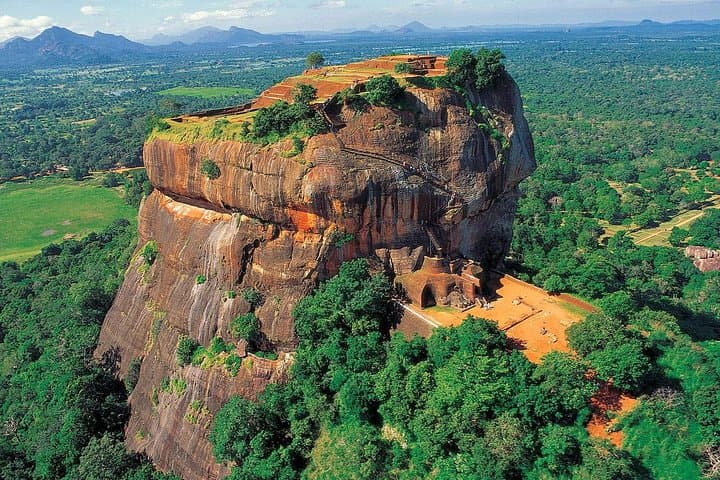
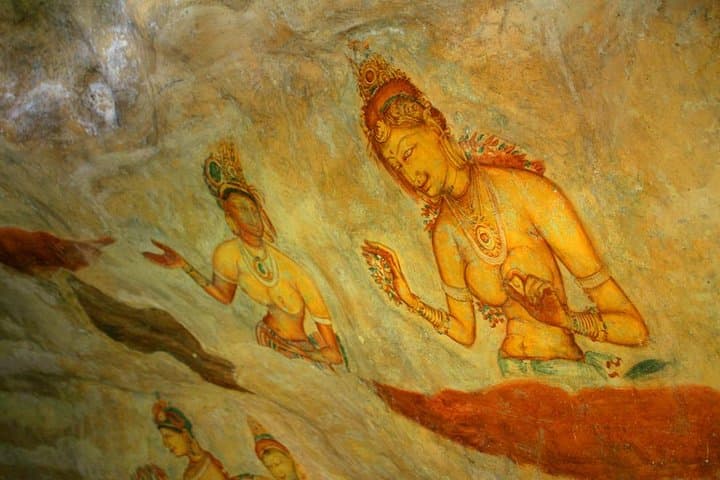
The climb begins on wide stone terraces and shifts into a series of staircases bolted to the cliff face: a steady ascent of roughly 1,000–1,200 steps and about 200 meters of elevation gain. Your licensed guide stops at fresco panels and the Mirror Wall to read inscriptions, explain the hydraulics of the ancient water gardens below, and lay out the story of King Kasyapa, who raised a royal citadel atop the rock in the 5th century CE. The summit’s ruined walls and the guardian lion’s paws — once a magnificent forecourt — are rewards that unfold slowly; the valley below looks as if it were painted that morning.
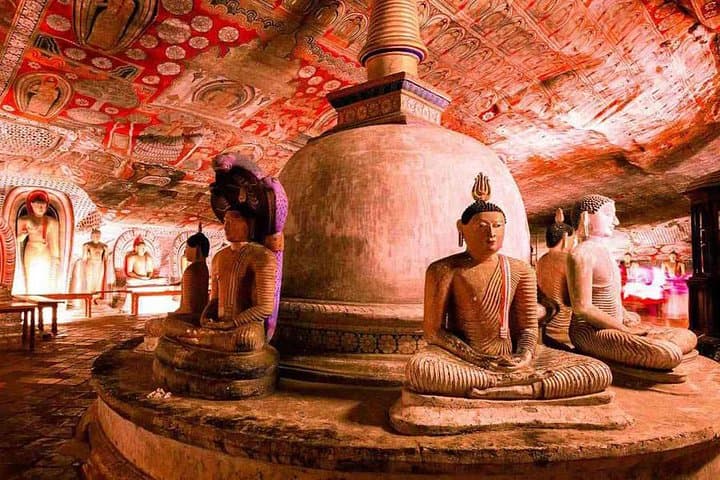
After Sigiriya the tour slips into a different century and register: the Golden Temple of Dambulla, a low rock outcrop whose cool, shadowed caverns house five cave temples. These caves contain dozens of Buddha images and vibrant mural cycles that span more than two millennia of Sri Lankan Buddhist art. Geologically both sites are expressions of the island’s ancient bedrock — rounded, weathered granite outcrops that captured human ambition and devotion.
Culturally the route threads small-market towns, family-run spice gardens and craftsmen’s workshops where batik and woodcarving are still practiced. You will be offered a short stop at a herbal spice garden to sample cinnamon, cardamom and pepper, and perhaps a quick batik demonstration: good places to buy local craft while keeping purchases small and respectful.
Practical guide: this is a long day — expect 7–9 hours door-to-door. Wear sturdy shoes for the uneven steps and metal ladders at Sigiriya, bring sun protection, and carry at least 1–1.5 liters of water per person. Start early to avoid mid-day heat and the busiest crowds; parts of the ascent are exposed. At Dambulla temple dress modestly (shoulders and knees covered) and be prepared to remove shoes. Cameras are welcome in most areas but follow signage and the guide’s direction to avoid disturbing worshippers.
The private format means no waiting in coach lines and room to customize stops — ask your guide about Pidurangala Rock (a quieter vantage for sunrise) or a short village canoe ride on the Habarana tank. Both sites reward those who want a little extra context beyond the UNESCO highlights.
moderate.
7–9 hours.
Moderate fitness: able to climb 1,000+ steps, stand and walk on uneven terrain for several hours and manage heat.
Plan on 7–9 hours total including hotel pickup, driving between sites, guided time at Sigiriya and Dambulla, and short stops at spice gardens or craft showrooms.
It’s steep in places with metal stairways and narrow galleries, but no technical climbing gear is needed; stair climbing fitness and sure-footed shoes are required.
This tour description notes admissions are not included — expect to pay separate entrance fees for Sigiriya and Dambulla at ticket windows unless otherwise confirmed.
Children and older travelers can participate but should be able to manage stairs and heat; request private transport and a slower pace at booking if needed.
Modest attire covering shoulders and knees is required; you’ll remove shoes. Bring a sarong or long shirt if you need to cover up quickly.
The tour typically provides bottled water and snacks on board; meals are usually not included but guides can arrange a lunch stop en route.
Sigiriya was transformed into a fortified palace and urban complex by King Kasyapa in the 5th century CE; Dambulla’s caves contain continuous Buddhist practice and murals dating back to the 1st century BCE.
Both Sigiriya and Dambulla are UNESCO World Heritage sites under visitor management programs; stay on paths, avoid touching frescoes, and minimize single-use plastics to reduce impact.
Sigiritrip Tours operates guided outdoor trips and adventures with an emphasis on safety, stewardship, and memorable experiences.
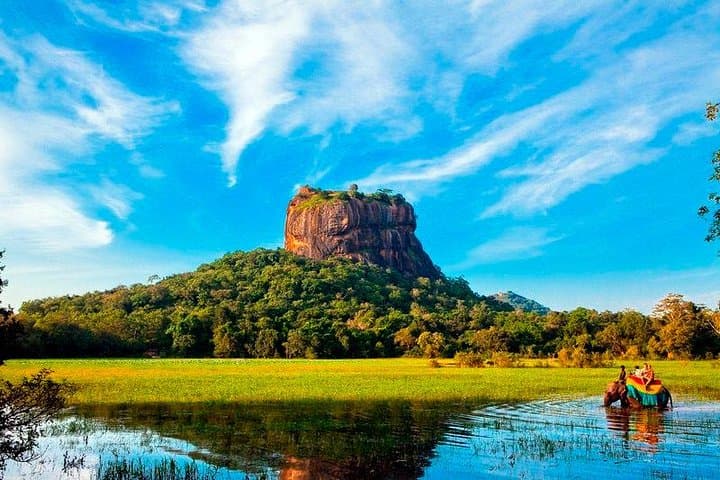
The morning air over the Cultural Triangle tastes of earth and spice. You step out of an air-conditioned van into a void of palm-shadowed roads and flat rice paddies, and there, rising like a blunt fist from the plain, is Sigiriya — a 200-meter-high rock that has been daring visitors for 1,500 years.
The morning air over the Cultural Triangle tastes of earth and spice. You step out of an air-conditioned van into a void of palm-shadowed roads and flat rice paddies, and there, rising like a blunt fist from the plain, is Sigiriya — a 200-meter-high rock that has been daring visitors for 1,500 years.
The climb begins on wide stone terraces and shifts into a series of staircases bolted to the cliff face: a steady ascent of roughly 1,000–1,200 steps and about 200 meters of elevation gain. Your licensed guide stops at fresco panels and the Mirror Wall to read inscriptions, explain the hydraulics of the ancient water gardens below, and lay out the story of King Kasyapa, who raised a royal citadel atop the rock in the 5th century CE. The summit’s ruined walls and the guardian lion’s paws — once a magnificent forecourt — are rewards that unfold slowly; the valley below looks as if it were painted that morning.
After Sigiriya the tour slips into a different century and register: the Golden Temple of Dambulla, a low rock outcrop whose cool, shadowed caverns house five cave temples. These caves contain dozens of Buddha images and vibrant mural cycles that span more than two millennia of Sri Lankan Buddhist art. Geologically both sites are expressions of the island’s ancient bedrock — rounded, weathered granite outcrops that captured human ambition and devotion.
Culturally the route threads small-market towns, family-run spice gardens and craftsmen’s workshops where batik and woodcarving are still practiced. You will be offered a short stop at a herbal spice garden to sample cinnamon, cardamom and pepper, and perhaps a quick batik demonstration: good places to buy local craft while keeping purchases small and respectful.
Practical guide: this is a long day — expect 7–9 hours door-to-door. Wear sturdy shoes for the uneven steps and metal ladders at Sigiriya, bring sun protection, and carry at least 1–1.5 liters of water per person. Start early to avoid mid-day heat and the busiest crowds; parts of the ascent are exposed. At Dambulla temple dress modestly (shoulders and knees covered) and be prepared to remove shoes. Cameras are welcome in most areas but follow signage and the guide’s direction to avoid disturbing worshippers.
The private format means no waiting in coach lines and room to customize stops — ask your guide about Pidurangala Rock (a quieter vantage for sunrise) or a short village canoe ride on the Habarana tank. Both sites reward those who want a little extra context beyond the UNESCO highlights.