THE ADVENTURE COLLECTIVE® · Independent discovery and booking for outdoor travel

Climb the Lion Rock, stand where a 5th-century king surveyed his domain and descend into cave temples painted across centuries. This full-day Sigiriya expedition pairs an audacious summit walk with the painted sanctuaries of Dambulla and a hands-on village visit.
Climb the Lion Rock, stand where a 5th-century king surveyed his domain and descend into cave temples painted across centuries. This full-day Sigiriya expedition pairs an audacious summit walk with the painted sanctuaries of Dambulla and a hands-on village visit.
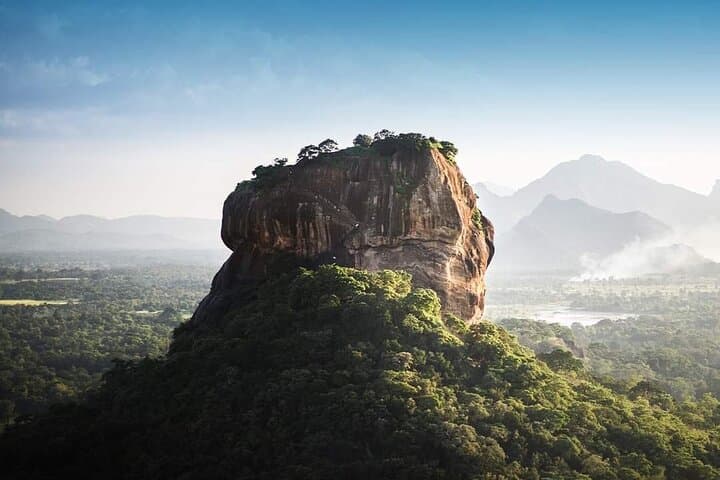
You arrive before the heat has fully settled on the plains—early light cuts across rice paddies and the distinctive silhouette of Sigiriya rises like an island of stone. The path through scrub and cultivated fields gives way to the formal gardens at the rock’s base, where a guide points out ancient water channels that still hold a sheen of morning. The climb begins on a sequence of carved steps, then metal staircases, with frescoes tucked into a sheltered mid-slope and the dramatic Lion’s Paw gateway signaling the final pitch.
Verified experiences and guided adventures in the surrounding area.
Operated by Sri Lanka Leisure Travel Hub · Sigiriya, Central Province
You arrive before the heat has fully settled on the plains—early light cuts across rice paddies and the distinctive silhouette of Sigiriya rises like an island of stone. The path through scrub and cultivated fields gives way to the formal gardens at the rock’s base, where a guide points out ancient water channels that still hold a sheen of morning. The climb begins on a sequence of carved steps, then metal staircases, with frescoes tucked into a sheltered mid-slope and the dramatic Lion’s Paw gateway signaling the final pitch.
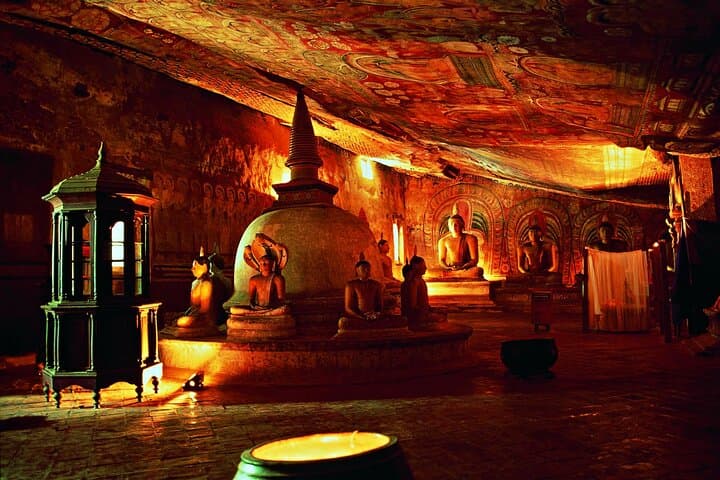
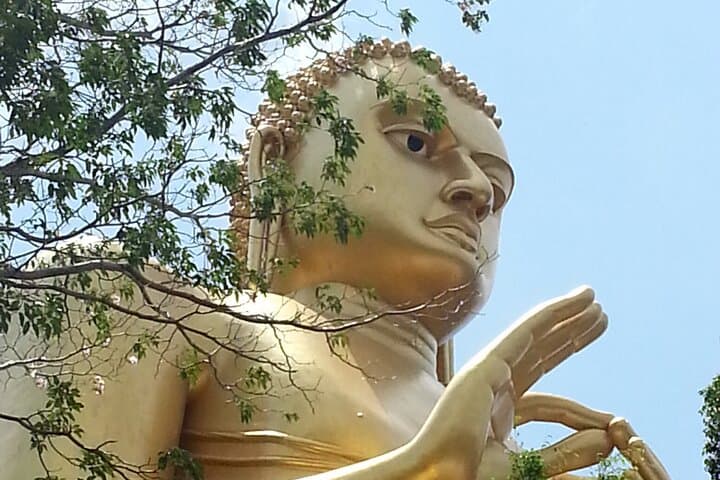
Sigiriya is a 5th-century urban and fortress complex set atop a 200-meter volcanic plug. Built by King Kasyapa, the site combines large-scale engineering—terraced gardens, reservoirs and hydraulic systems—with painted panels and carved stonework. Geologically the formation is the hardened core of an extinct volcano; its reddish rock catches and throws back light, changing the character of the summit as the day moves on. Nearby, the Dambulla Cave Temple (dating to the 1st century BCE) offers a counterpoint: five natural caverns filled with reclining and seated Buddha images and more than 20,000 square feet of mural painting.
Culture here is tactile: villagers sell jackfruit and curd, local drivers humbly offer directions, and a village tour introduces you to traditional foods and rice-pounding demonstrations. The land still bears the marks of the ancient irrigation schemes that made the area one of Sri Lanka’s historic food baskets.
Practical guide: the climb to the summit is steep—expect roughly 1,000–1,200 steps and an elevation gain near 200 meters. Sections use metal walkways and narrow staircases; people with a fear of heights should plan accordingly. Allow a full day for the itinerary—this tour runs 8–12 hours including transfers from Colombo or Negombo. Bring at least 2 liters of water, sturdy closed-toe shoes, and sun protection; carry cash for entry tickets and tips because admission to the monuments is typically paid separately.
Timing matters: start early to avoid midday heat and crowds; late afternoon light makes for the most dramatic summit panoramas. Respect temple rules at Dambulla—cover shoulders and knees and remove hats in the cave sanctuaries. The operator includes private transport, guiding, bottled water and a village visit, but not the entrance fees for Sigiriya or Dambulla, so factor that into your budget.
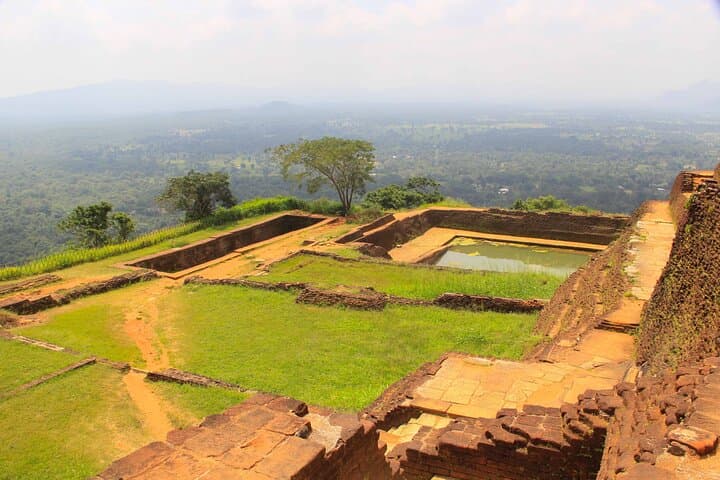
On summiting, the wind takes the edge off the exertion and the plain seems to breathe; trees, rivers and human settlements spread like an open map below. The climb ends as a blend of natural spectacle and tangible history—an accessible, demanding, and thoroughly rewarding day in Sri Lanka’s cultural heart.
moderate.
8–12 hours.
Moderate fitness needed—able to climb ~1,000+ steps at a steady pace and handle short steep sections.
No—admission to Sigiriya Rock and Dambulla Cave Temple is not included and is paid on site; your guide will assist with purchasing tickets.
Expect about 1,000–1,200 steps and an elevation gain near 200 meters; the climb from base to summit typically takes 45–90 minutes depending on pace and stops.
Children who can manage long stair climbs can do it; older adults should assess balance and stair tolerance—the route has narrow sections and some exposed staircases.
The itinerary includes a village food experience but not full meals; bring snacks if you need more substantial food during the day.
Dress conservatively—cover shoulders and knees; remove hats and footwear before entering shrine areas.
Round-trip transfers can add 3–4 hours each way from Colombo depending on traffic; the full-day tour accounts for this travel time in its 8–12 hour duration.
Sigiriya was transformed into a fortified palace complex in the 5th century CE under King Kasyapa and later became a Buddhist monastic site; its frescoes and hydraulic gardens reveal advanced urban planning for the period.
Sites are managed to limit erosion and visitor wear—stay on marked paths, avoid touching frescoes and support local guides and community-based experiences to keep tourism sustainable.
Sri Lanka Leisure Travel Hub operates guided outdoor trips and adventures with an emphasis on safety, stewardship, and memorable experiences.
You arrive before the heat has fully settled on the plains—early light cuts across rice paddies and the distinctive silhouette of Sigiriya rises like an island of stone. The path through scrub and cultivated fields gives way to the formal gardens at the rock’s base, where a guide points out ancient water channels that still hold a sheen of morning. The climb begins on a sequence of carved steps, then metal staircases, with frescoes tucked into a sheltered mid-slope and the dramatic Lion’s Paw gateway signaling the final pitch.
You arrive before the heat has fully settled on the plains—early light cuts across rice paddies and the distinctive silhouette of Sigiriya rises like an island of stone. The path through scrub and cultivated fields gives way to the formal gardens at the rock’s base, where a guide points out ancient water channels that still hold a sheen of morning. The climb begins on a sequence of carved steps, then metal staircases, with frescoes tucked into a sheltered mid-slope and the dramatic Lion’s Paw gateway signaling the final pitch.
Sigiriya is a 5th-century urban and fortress complex set atop a 200-meter volcanic plug. Built by King Kasyapa, the site combines large-scale engineering—terraced gardens, reservoirs and hydraulic systems—with painted panels and carved stonework. Geologically the formation is the hardened core of an extinct volcano; its reddish rock catches and throws back light, changing the character of the summit as the day moves on. Nearby, the Dambulla Cave Temple (dating to the 1st century BCE) offers a counterpoint: five natural caverns filled with reclining and seated Buddha images and more than 20,000 square feet of mural painting.
Culture here is tactile: villagers sell jackfruit and curd, local drivers humbly offer directions, and a village tour introduces you to traditional foods and rice-pounding demonstrations. The land still bears the marks of the ancient irrigation schemes that made the area one of Sri Lanka’s historic food baskets.
Practical guide: the climb to the summit is steep—expect roughly 1,000–1,200 steps and an elevation gain near 200 meters. Sections use metal walkways and narrow staircases; people with a fear of heights should plan accordingly. Allow a full day for the itinerary—this tour runs 8–12 hours including transfers from Colombo or Negombo. Bring at least 2 liters of water, sturdy closed-toe shoes, and sun protection; carry cash for entry tickets and tips because admission to the monuments is typically paid separately.
Timing matters: start early to avoid midday heat and crowds; late afternoon light makes for the most dramatic summit panoramas. Respect temple rules at Dambulla—cover shoulders and knees and remove hats in the cave sanctuaries. The operator includes private transport, guiding, bottled water and a village visit, but not the entrance fees for Sigiriya or Dambulla, so factor that into your budget.
On summiting, the wind takes the edge off the exertion and the plain seems to breathe; trees, rivers and human settlements spread like an open map below. The climb ends as a blend of natural spectacle and tangible history—an accessible, demanding, and thoroughly rewarding day in Sri Lanka’s cultural heart.