THE ADVENTURE COLLECTIVE® · Independent discovery and booking for outdoor travel

In one long day from Colombo you can scale the dramatic Lion Rock of Sigiriya, wander the painted sanctuaries of Dambulla Cave Temple and share a village lunch with locals—an efficient, sensory introduction to Sri Lanka's cultural core.
In one long day from Colombo you can scale the dramatic Lion Rock of Sigiriya, wander the painted sanctuaries of Dambulla Cave Temple and share a village lunch with locals—an efficient, sensory introduction to Sri Lanka's cultural core.
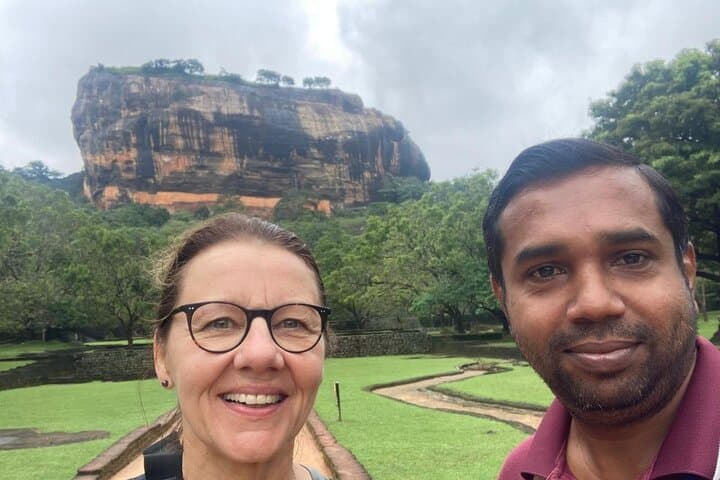
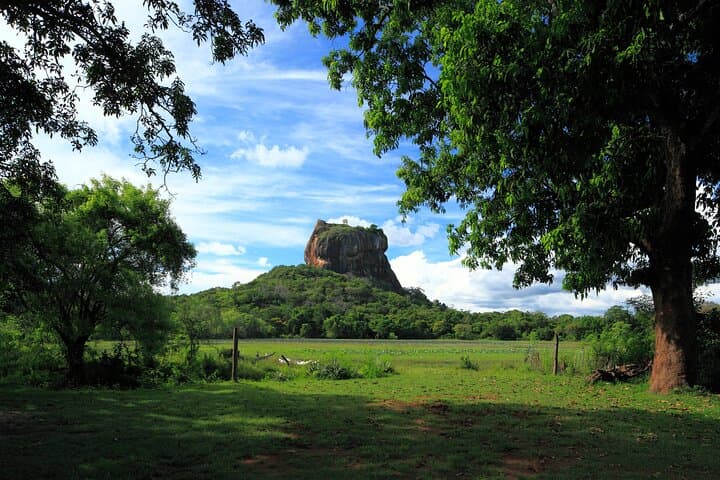
The morning air tastes of diesel and wet earth as a minivan peels away from Colombo and the concrete gives way to paddy fields and low scrub. Two hours out, the granite column of Sigiriya rises from the plain like a deliberate act of defiance: 180 meters of rock crowned by ancient foundations. Visitors step from the vehicle and the jungle seems to lean in, vines brushing the road, while monkeys inspect luggage with blunt curiosity.
Verified experiences and guided adventures in the surrounding area.
Operated by Indigo Tours · Sigiriya, Central Province
The morning air tastes of diesel and wet earth as a minivan peels away from Colombo and the concrete gives way to paddy fields and low scrub. Two hours out, the granite column of Sigiriya rises from the plain like a deliberate act of defiance: 180 meters of rock crowned by ancient foundations. Visitors step from the vehicle and the jungle seems to lean in, vines brushing the road, while monkeys inspect luggage with blunt curiosity.
Climbing Lion Rock is the day's spine. A series of stepped galleries, iron staircases and carved terraces snakes up through the lion's mouth—once a monumental brick sculpture—and opens onto a skyline where the dry plains can be counted one paddy at a time. The site was the capital of King Kassapa I (477–495 CE), a ruler whose story involves palace intrigue and a dramatic court. At the midpoint of the ascent, the frescoes—vivid female figures preserved beneath overhangs—offer a cool, shaded respite and a reminder that this was as much a ritual landscape as a military fortification.
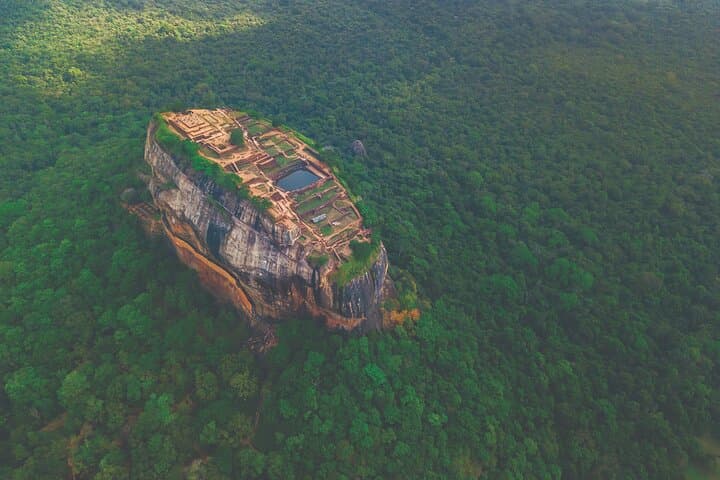
The geology is blunt and simple: Sigiriya is a hardened magma plug, its sheer faces the work of erosion over millions of years. The rock's crown holds terraces, water gardens and the remains of reservoirs that testify to sophisticated hydraulic engineering uncommon for its age.
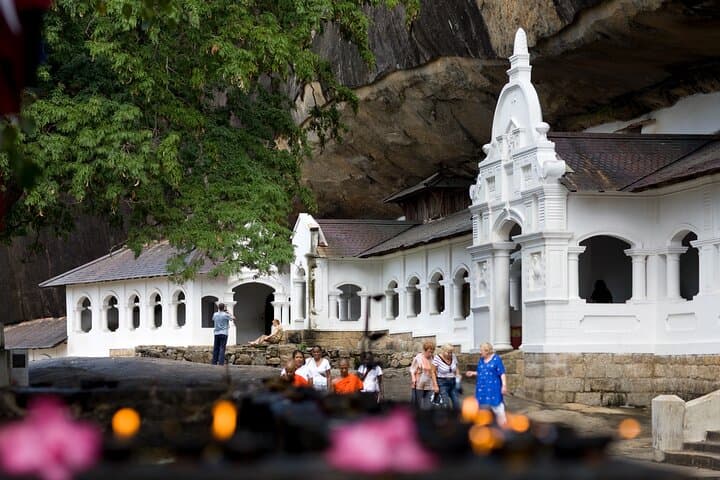
After lunch in a nearby village—a home-cooked meal of rice, curry and coconut sambol prepared by local hands—travelers head to Dambulla. The cave temple complex is a different kind of astonishment: five sanctuaries hewn into a cliff, their walls and ceilings painted across 2,100 square meters with Buddhist murals and populated by 157 statues. The place has been an active pilgrimage site for over 2,200 years; the painted narratives and golden Buddhas reframe the climb with a quieter, contemplative tempo.
Practicalities matter: the day is long (expect 10–12 hours round trip from Colombo), and temperatures can spike midday. Guides from the tour manage logistics, but visitors should expect uneven steps, sun on exposed ridgelines and temple protocols—modest dress, removed shoes and respectful silence near shrines.
For planning: start early to avoid the fiercest heat and the crowds, bring cash for entrance fees and tips, and wear sturdy shoes with good traction for the metal stair sections. Hydrate often; the rock will test knees coming down as surely as it rewards with views going up.
The route combines theatrical archaeology, living village hospitality and sacred art in a single, efficient day—an intense primer on Sri Lanka’s cultural heartland that leaves most travelers with a clear sense of place and the urge to linger longer in the central plains.
moderate.
10–12 hours.
Moderate fitness with comfort on stairs and short climbs; ability to handle uneven steps and heat.
The full excursion runs about 10–12 hours door-to-door from Colombo, depending on traffic and pickup location.
Entrance fees are typically not included—bring cash to purchase tickets at Sigiriya and Dambulla unless specified otherwise.
Children can do the climb, but stair sections are steep and exposed; the tour's minimum age is often 3 and guardians should assess comfort with heights.
Wear modest clothing for temples—shoulders and knees should be covered at Dambulla; guide will remind you to remove shoes inside shrines.
The tour includes a traditional village lunch and bottled water; advise dietary requirements at booking time.
The itinerary requires climbing many uneven steps and metal staircases; it is not recommended for travelers with significant mobility or back problems.
Sigiriya was transformed into a fortified capital by King Kassapa I in the 5th century CE; Dambulla's cave monastery has served pilgrims for over 2,200 years.
Both sites are managed with visitor limits during busy periods to protect frescoes and rock surfaces; avoid touching murals and stick to marked paths to reduce erosion.
Indigo Tours operates guided outdoor trips and adventures with an emphasis on safety, stewardship, and memorable experiences.
The morning air tastes of diesel and wet earth as a minivan peels away from Colombo and the concrete gives way to paddy fields and low scrub. Two hours out, the granite column of Sigiriya rises from the plain like a deliberate act of defiance: 180 meters of rock crowned by ancient foundations. Visitors step from the vehicle and the jungle seems to lean in, vines brushing the road, while monkeys inspect luggage with blunt curiosity.
The morning air tastes of diesel and wet earth as a minivan peels away from Colombo and the concrete gives way to paddy fields and low scrub. Two hours out, the granite column of Sigiriya rises from the plain like a deliberate act of defiance: 180 meters of rock crowned by ancient foundations. Visitors step from the vehicle and the jungle seems to lean in, vines brushing the road, while monkeys inspect luggage with blunt curiosity.
Climbing Lion Rock is the day's spine. A series of stepped galleries, iron staircases and carved terraces snakes up through the lion's mouth—once a monumental brick sculpture—and opens onto a skyline where the dry plains can be counted one paddy at a time. The site was the capital of King Kassapa I (477–495 CE), a ruler whose story involves palace intrigue and a dramatic court. At the midpoint of the ascent, the frescoes—vivid female figures preserved beneath overhangs—offer a cool, shaded respite and a reminder that this was as much a ritual landscape as a military fortification.
The geology is blunt and simple: Sigiriya is a hardened magma plug, its sheer faces the work of erosion over millions of years. The rock's crown holds terraces, water gardens and the remains of reservoirs that testify to sophisticated hydraulic engineering uncommon for its age.
After lunch in a nearby village—a home-cooked meal of rice, curry and coconut sambol prepared by local hands—travelers head to Dambulla. The cave temple complex is a different kind of astonishment: five sanctuaries hewn into a cliff, their walls and ceilings painted across 2,100 square meters with Buddhist murals and populated by 157 statues. The place has been an active pilgrimage site for over 2,200 years; the painted narratives and golden Buddhas reframe the climb with a quieter, contemplative tempo.
Practicalities matter: the day is long (expect 10–12 hours round trip from Colombo), and temperatures can spike midday. Guides from the tour manage logistics, but visitors should expect uneven steps, sun on exposed ridgelines and temple protocols—modest dress, removed shoes and respectful silence near shrines.
For planning: start early to avoid the fiercest heat and the crowds, bring cash for entrance fees and tips, and wear sturdy shoes with good traction for the metal stair sections. Hydrate often; the rock will test knees coming down as surely as it rewards with views going up.
The route combines theatrical archaeology, living village hospitality and sacred art in a single, efficient day—an intense primer on Sri Lanka’s cultural heartland that leaves most travelers with a clear sense of place and the urge to linger longer in the central plains.