THE ADVENTURE COLLECTIVE® · Independent discovery and booking for outdoor travel

Scale the stepped face of Sigiriya’s Lion Rock and explore the painted caverns of Dambulla on a single full‑day private tour. Early starts beat the crowds and keep climbs comfortable—expect steep stairs, polished Buddha halls, and a Sri Lankan lunch to refuel.
Scale the stepped face of Sigiriya’s Lion Rock and explore the painted caverns of Dambulla on a single full‑day private tour. Early starts beat the crowds and keep climbs comfortable—expect steep stairs, polished Buddha halls, and a Sri Lankan lunch to refuel.
You arrive before the heat of the day, the first light catching the vertical sides of a battered red‑stone mass that seems to grow from the paddy fields themselves. Sigiriya—Lion Rock—looms, its painted fresco panel still protected behind a mesh, staircases spiraling like the vertebrae of a giant. Across the road, the Dambulla Cave Temple waits in cooler shade: low rock ceilings, rows of seated Buddhas and gold leaf that has been polished by centuries of hands.
Verified experiences and guided adventures in the surrounding area.
Operated by MIRISSA CABS SRI LANKA · Sigiriya, Central Province
You arrive before the heat of the day, the first light catching the vertical sides of a battered red‑stone mass that seems to grow from the paddy fields themselves. Sigiriya—Lion Rock—looms, its painted fresco panel still protected behind a mesh, staircases spiraling like the vertebrae of a giant. Across the road, the Dambulla Cave Temple waits in cooler shade: low rock ceilings, rows of seated Buddhas and gold leaf that has been polished by centuries of hands.
These sites stitch together Sri Lanka’s long human story. Sigiriya was raised into a fortified palace by King Kassapa in the 5th century CE; its water gardens and terraces reveal sophisticated hydraulic and urban planning. Dambulla’s caverns host Buddhism’s living rituals, with statues and murals spanning over 2,000 years. Geologically both sit on ancient Precambrian bedrock; basalt and gneiss give the landscape a sudden, theatrical ruggedness amid flat agricultural plains.
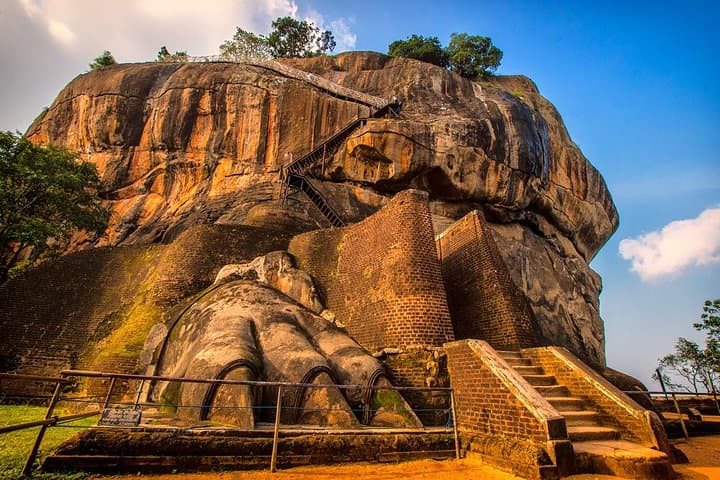
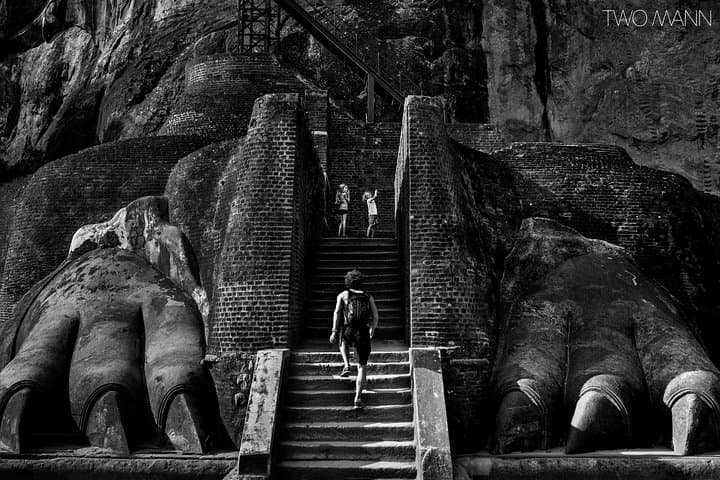
Expect handrail-backed stair climbs up Sigiriya (steep sections and narrow landings), cool, dim passages at Dambulla and close contact with local pilgrims. Guides often explain the frescoes, lion’s paw platform and the engineering of the water gardens; they also advise on respectful dress and photography limits.
Practical guidance: start early to avoid midday heat, wear closed shoes with good grip for the stairs, carry water and sun protection, and leave plastics behind. If time allows, a short scramble to Pidurangala offers an alternative summit view. Both sites reward a steady, curious pace—history, geology and living tradition revealed step by step.
moderate.
10 hours.
Moderate fitness: able to climb sustained stair sections and walk across uneven temple floors.
Typical pickup from Kandy is about 1.5–2 hours; from Colombo expect about 3–4 hours each way depending on traffic.
Children can usually manage the route; older visitors who can handle stairs and short climbs will be fine—ask for more frequent stops and use handrails.
This tour lists a Sri Lankan lunch as included; local options will often be buffet or set meals with rice, curry and vegetable sides.
Basic restroom facilities exist near both sites and along the route, but facilities vary in cleanliness—bring hand sanitizer and small change for entry where applicable.
Sigiriya was converted into a royal citadel by King Kassapa in the 5th century CE, while Dambulla’s cave temple complex preserves Buddhist art and statues from the 1st century BCE onward.
Both sites are UNESCO-protected and face wear from foot traffic and weathering; visitors are asked to follow paths, avoid touching frescoes and minimize plastic waste.
MIRISSA CABS SRI LANKA operates guided outdoor trips and adventures with an emphasis on safety, stewardship, and memorable experiences.
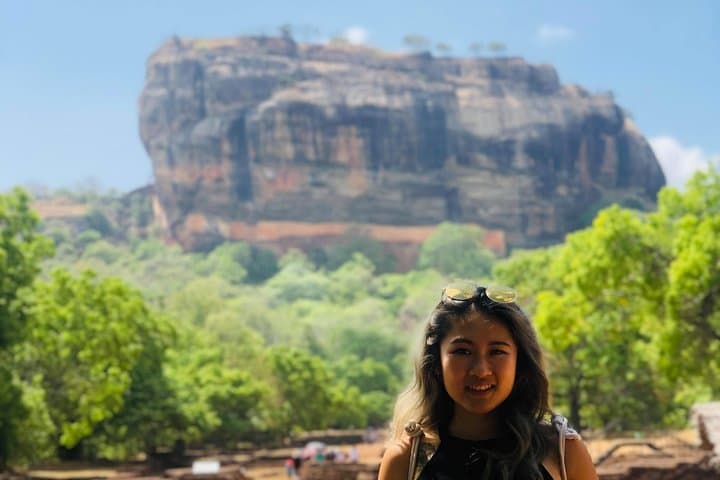
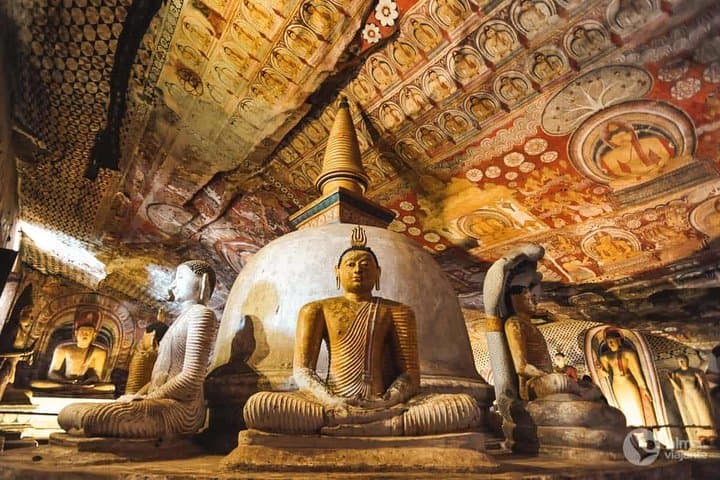
You arrive before the heat of the day, the first light catching the vertical sides of a battered red‑stone mass that seems to grow from the paddy fields themselves. Sigiriya—Lion Rock—looms, its painted fresco panel still protected behind a mesh, staircases spiraling like the vertebrae of a giant. Across the road, the Dambulla Cave Temple waits in cooler shade: low rock ceilings, rows of seated Buddhas and gold leaf that has been polished by centuries of hands.
You arrive before the heat of the day, the first light catching the vertical sides of a battered red‑stone mass that seems to grow from the paddy fields themselves. Sigiriya—Lion Rock—looms, its painted fresco panel still protected behind a mesh, staircases spiraling like the vertebrae of a giant. Across the road, the Dambulla Cave Temple waits in cooler shade: low rock ceilings, rows of seated Buddhas and gold leaf that has been polished by centuries of hands.
These sites stitch together Sri Lanka’s long human story. Sigiriya was raised into a fortified palace by King Kassapa in the 5th century CE; its water gardens and terraces reveal sophisticated hydraulic and urban planning. Dambulla’s caverns host Buddhism’s living rituals, with statues and murals spanning over 2,000 years. Geologically both sit on ancient Precambrian bedrock; basalt and gneiss give the landscape a sudden, theatrical ruggedness amid flat agricultural plains.
Expect handrail-backed stair climbs up Sigiriya (steep sections and narrow landings), cool, dim passages at Dambulla and close contact with local pilgrims. Guides often explain the frescoes, lion’s paw platform and the engineering of the water gardens; they also advise on respectful dress and photography limits.
Practical guidance: start early to avoid midday heat, wear closed shoes with good grip for the stairs, carry water and sun protection, and leave plastics behind. If time allows, a short scramble to Pidurangala offers an alternative summit view. Both sites reward a steady, curious pace—history, geology and living tradition revealed step by step.