THE ADVENTURE COLLECTIVE® · Independent discovery and booking for outdoor travel

Climb the lion’s ramparts of Sigiriya and step into the painted, echoing halls of Dambulla on a private full‑day tour. Expect dramatic views, layered history, and practical tips for making the most of a long but rewarding day.
Climb the lion’s ramparts of Sigiriya and step into the painted, echoing halls of Dambulla on a private full‑day tour. Expect dramatic views, layered history, and practical tips for making the most of a long but rewarding day.
You arrive before the heat presses down, the air already alive with green—rice paddies flattening into horizon, small temples punched against the sky. An air-conditioned vehicle eases to a stop at the base of Sigiriya, and the rock itself seems to wait: a sheer, ruined citadel rising roughly 200 meters above the plain, its vertical face scabbed with staircases and terraces.
Verified experiences and guided adventures in the surrounding area.
Operated by #srilankabycar · Sigiriya, Central Province
You arrive before the heat presses down, the air already alive with green—rice paddies flattening into horizon, small temples punched against the sky. An air-conditioned vehicle eases to a stop at the base of Sigiriya, and the rock itself seems to wait: a sheer, ruined citadel rising roughly 200 meters above the plain, its vertical face scabbed with staircases and terraces.
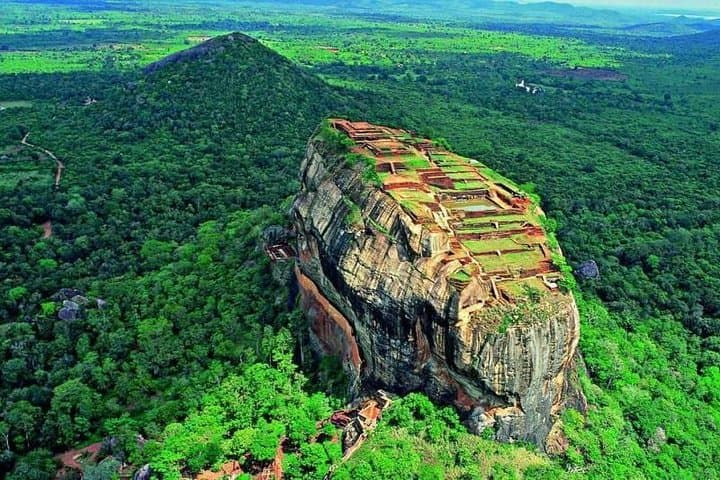
The climb begins with a rhythm—stone step, sweat, pause—past faded frescoes and the famous Mirror Wall where ancient visitors once scratched verses. By mid-morning the lion’s paws appear, and beyond them the flattened summit where King Kasyapa’s 5th-century palace once sat. The view here is blunt and generous: wetlands, small villages, and a patchwork of irrigation tanks that have shaped life in this region for millennia.
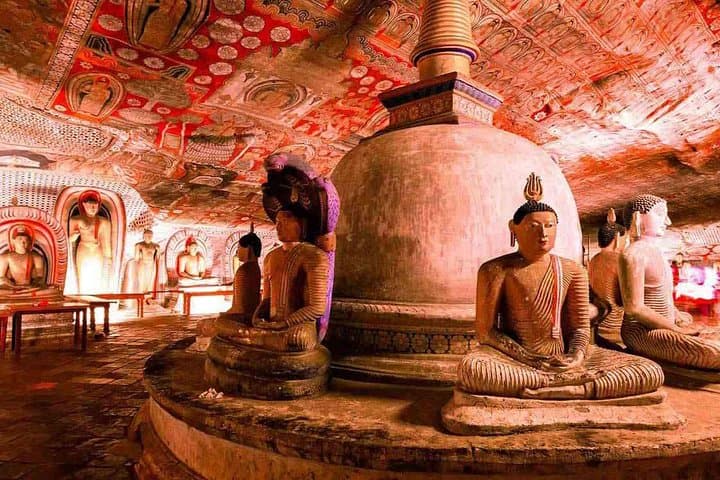
After lunch the day bends toward Dambulla, where a low, fortress-like rock hides a suite of cave temples. Inside, Buddha statues stretch along vaulted chambers, some gilded and newly bright, others dim with the quiet of centuries. The caves are not just religious sites; they are living museums of devotion and artistry, reworked through time from painted walls to lacquered statues.
Geology and history are inseparable on this route. Sigiriya is a hardened volcanic plug—an island of hard rock left standing as the surrounding landscape eroded away. Dambulla’s caves sit in a similar outcrop, their interiors softened by damp and the slow hand of time. Culturally, both places have been focal points for power and piety: a palace-fortress turned ruin, and a cave complex continuously used for worship since ancient times.
Practicalities shape the experience. This private full-day tour runs about 10–12 hours door-to-door, with round-trip hotel transfer and an English-speaking driver/guide, but note that entrance fees to the sites are typically paid onsite. Start early to beat the midday sun and crowds; bring at least 2 liters of water, hat, and sturdy shoes—the Sigiriya ascent includes metal stairways and uneven rock. Dress modestly for Dambulla—shoulders and knees covered—and observe local customs: do not turn your back on Buddha statues or use flash photography where signs prohibit it.
Timing, small choices and a respectful approach make this more than a checklist. With an attentive driver-guide you can move from geology to fresco to ritual in a single day, sampling rural Sri Lankan life between monuments. It’s a long day, but the combination of airborne views from Sigiriya and the hushed, centuries-deep cave interiors at Dambulla makes for one of the island’s most complete cultural outings.
moderate.
10–12 hours.
Moderate fitness recommended—expect a steep climb of several hundred steps at Sigiriya and periods of standing/walking in caves
No—this private tour includes transport and driver/guide services; entrance tickets to Sigiriya and Dambulla are typically paid on site.
The ascent is steep and involves several hundred steps and some metal stair sections—allow 45–90 minutes depending on pace and stops.
Children 8 and older are allowed, but the climb and uneven surfaces mean the tour is not recommended for people with serious mobility limitations.
Conservative, shoulder-and-knee-covering clothes are required; shoes must be removed before entering temple chambers.
Yes—you're welcome to bring food and drinks or purchase lunch along the route during the scheduled break.
Typical stops are about 2–3 hours at Sigiriya, roughly 60 minutes at Dambulla, plus brief stops like Ibbankatuwa Necropolis as listed in the itinerary.
Sigiriya was fortified and embellished by King Kasyapa in the 5th century AD as a palace and stronghold; Dambulla’s caves have been a continuous Buddhist pilgrimage site for over a thousand years.
Both sites manage visitor flow and have signage to protect fragile frescoes and cave paintings—stick to marked paths, avoid flash photography where asked, and carry out any litter.
#srilankabycar operates guided outdoor trips and adventures with an emphasis on safety, stewardship, and memorable experiences.
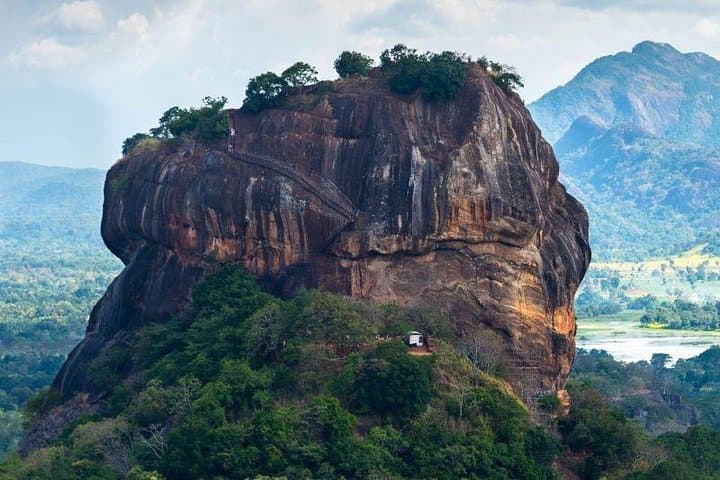
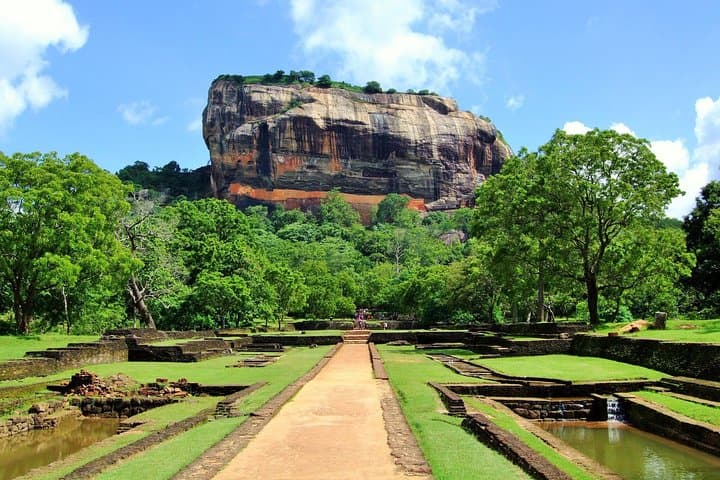
You arrive before the heat presses down, the air already alive with green—rice paddies flattening into horizon, small temples punched against the sky. An air-conditioned vehicle eases to a stop at the base of Sigiriya, and the rock itself seems to wait: a sheer, ruined citadel rising roughly 200 meters above the plain, its vertical face scabbed with staircases and terraces.
You arrive before the heat presses down, the air already alive with green—rice paddies flattening into horizon, small temples punched against the sky. An air-conditioned vehicle eases to a stop at the base of Sigiriya, and the rock itself seems to wait: a sheer, ruined citadel rising roughly 200 meters above the plain, its vertical face scabbed with staircases and terraces.
The climb begins with a rhythm—stone step, sweat, pause—past faded frescoes and the famous Mirror Wall where ancient visitors once scratched verses. By mid-morning the lion’s paws appear, and beyond them the flattened summit where King Kasyapa’s 5th-century palace once sat. The view here is blunt and generous: wetlands, small villages, and a patchwork of irrigation tanks that have shaped life in this region for millennia.
After lunch the day bends toward Dambulla, where a low, fortress-like rock hides a suite of cave temples. Inside, Buddha statues stretch along vaulted chambers, some gilded and newly bright, others dim with the quiet of centuries. The caves are not just religious sites; they are living museums of devotion and artistry, reworked through time from painted walls to lacquered statues.
Geology and history are inseparable on this route. Sigiriya is a hardened volcanic plug—an island of hard rock left standing as the surrounding landscape eroded away. Dambulla’s caves sit in a similar outcrop, their interiors softened by damp and the slow hand of time. Culturally, both places have been focal points for power and piety: a palace-fortress turned ruin, and a cave complex continuously used for worship since ancient times.
Practicalities shape the experience. This private full-day tour runs about 10–12 hours door-to-door, with round-trip hotel transfer and an English-speaking driver/guide, but note that entrance fees to the sites are typically paid onsite. Start early to beat the midday sun and crowds; bring at least 2 liters of water, hat, and sturdy shoes—the Sigiriya ascent includes metal stairways and uneven rock. Dress modestly for Dambulla—shoulders and knees covered—and observe local customs: do not turn your back on Buddha statues or use flash photography where signs prohibit it.
Timing, small choices and a respectful approach make this more than a checklist. With an attentive driver-guide you can move from geology to fresco to ritual in a single day, sampling rural Sri Lankan life between monuments. It’s a long day, but the combination of airborne views from Sigiriya and the hushed, centuries-deep cave interiors at Dambulla makes for one of the island’s most complete cultural outings.