THE ADVENTURE COLLECTIVE® · Independent discovery and booking for outdoor travel

Take a 50-minute sightseeing flight from Skaftafell for a rare aerial view of Vatnajökull and the Grímsvötn eruption sites. This short tour offers dramatic views of volcanic vents, ice-sculpted terrain, and the river systems carved by past eruptions.
Take a 50-minute sightseeing flight from Skaftafell for a rare aerial view of Vatnajökull and the Grímsvötn eruption sites. This short tour offers dramatic views of volcanic vents, ice-sculpted terrain, and the river systems carved by past eruptions.
You lift off from a low gravel airstrip at Skaftafell and the world rearranges: the ice cap spreads like a slow ocean, crevasses catching light, and Grímsvötn's caldera sits as a dark, restless scar on the northern flank. From the window the basaltic ridges and ash-streaked ice move past with the steady patience of geological time; the pilot points out the 2011 vent and older lava flows that cut through glacial ice.
Verified experiences and guided adventures in the surrounding area.
Operated by Atlantsflug/Flightseeing · Skaftafell, Suðurland
You lift off from a low gravel airstrip at Skaftafell and the world rearranges: the ice cap spreads like a slow ocean, crevasses catching light, and Grímsvötn's caldera sits as a dark, restless scar on the northern flank. From the window the basaltic ridges and ash-streaked ice move past with the steady patience of geological time; the pilot points out the 2011 vent and older lava flows that cut through glacial ice.
Vatnajökull dominates southeast Iceland—Europe’s largest ice cap—and the Grímsvötn volcanic system is one of its most active. Eruptions here are frequent and fast, often melting cavities beneath the ice and producing explosive interaction between magma and meltwater. The surrounding lowlands have a long human story too: routes and farms shaped around glacial outburst floods (jökulhlaups) and ash fall that periodically remakes the landscape.
On this ~50-minute sightseeing flight you’ll pass volcanic vents, ice-swept plateaus, and river systems that have carved black sand outwash plains. The experience is sensory but simple: clear views, rapid photo opportunities, and a pilot who narrates the route.
Practical guidance: dress in warm layers and a windproof outer shell—cockpit temperatures can feel several degrees colder. Bring a camera with a wide-angle lens and a neutral strap; expect small bumps from turbulence and limited cabin space. Flights run multiple times daily in fair weather; cancellations are common in storms, so book early and keep a flexible schedule. If you’re curious about Iceland’s active geology, this compact aerial tour delivers a direct, dramatic perspective without the slog of long glacier treks.
easy.
50 minutes.
No special fitness required; suitable for most travelers though infants sit on laps.
The tour lasts approximately 50 minutes from takeoff to landing and includes a preflight briefing at the Skaftafell terminal.
Yes—operators cancel flights in poor visibility, high winds, or severe weather; you’ll typically be offered a refund or reschedule if canceled at least 24 hours prior.
Infants can ride but must sit on an adult’s lap; check the operator’s age and weight requirements during booking.
Yes—photography is allowed but expect window reflections; a polarizing filter and a steady hand or strap are helpful.
Grímsvötn has the highest eruption frequency in Iceland; eruptions interact with the ice cap, producing explosive meltwater-driven events that have shaped local floodplains and settlements.
Vatnajökull and surrounding areas are protected as part of Vatnajökull National Park; visitors should follow park guidelines to minimize disturbance to fragile glacial and outwash environments.
Atlantsflug/Flightseeing operates guided outdoor trips and adventures with an emphasis on safety, stewardship, and memorable experiences.
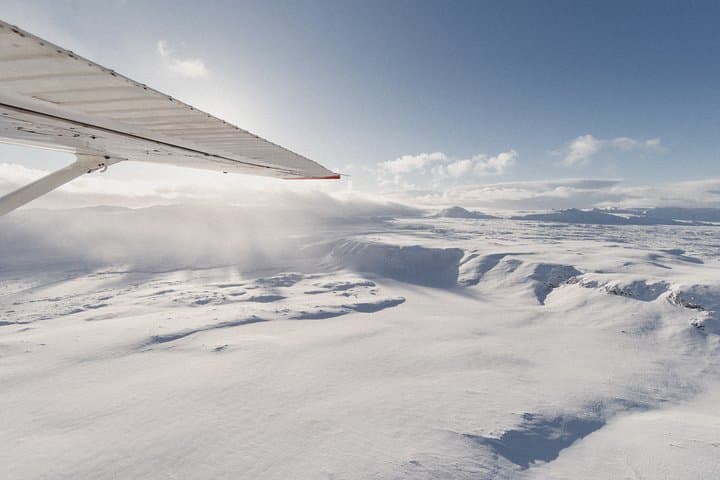
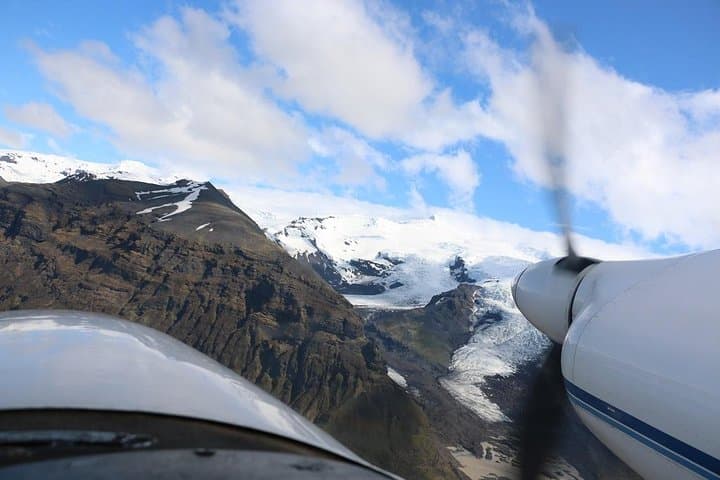
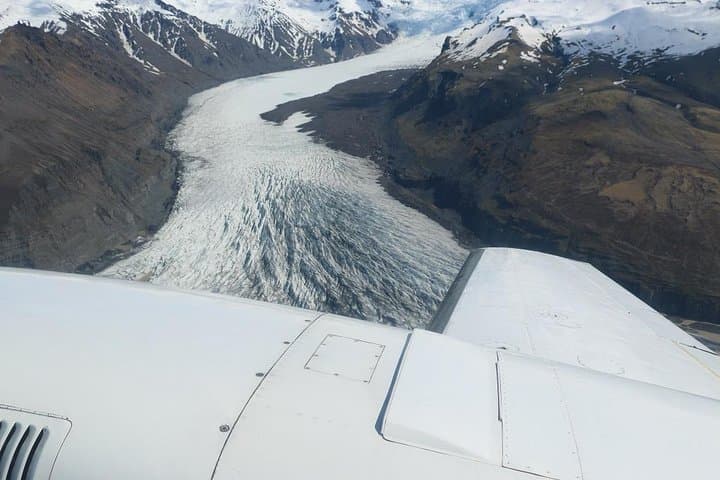
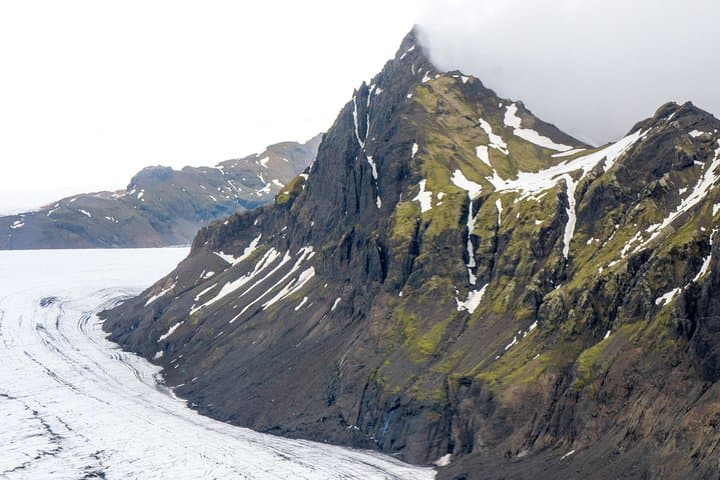
You lift off from a low gravel airstrip at Skaftafell and the world rearranges: the ice cap spreads like a slow ocean, crevasses catching light, and Grímsvötn's caldera sits as a dark, restless scar on the northern flank. From the window the basaltic ridges and ash-streaked ice move past with the steady patience of geological time; the pilot points out the 2011 vent and older lava flows that cut through glacial ice.
You lift off from a low gravel airstrip at Skaftafell and the world rearranges: the ice cap spreads like a slow ocean, crevasses catching light, and Grímsvötn's caldera sits as a dark, restless scar on the northern flank. From the window the basaltic ridges and ash-streaked ice move past with the steady patience of geological time; the pilot points out the 2011 vent and older lava flows that cut through glacial ice.
Vatnajökull dominates southeast Iceland—Europe’s largest ice cap—and the Grímsvötn volcanic system is one of its most active. Eruptions here are frequent and fast, often melting cavities beneath the ice and producing explosive interaction between magma and meltwater. The surrounding lowlands have a long human story too: routes and farms shaped around glacial outburst floods (jökulhlaups) and ash fall that periodically remakes the landscape.
On this ~50-minute sightseeing flight you’ll pass volcanic vents, ice-swept plateaus, and river systems that have carved black sand outwash plains. The experience is sensory but simple: clear views, rapid photo opportunities, and a pilot who narrates the route.
Practical guidance: dress in warm layers and a windproof outer shell—cockpit temperatures can feel several degrees colder. Bring a camera with a wide-angle lens and a neutral strap; expect small bumps from turbulence and limited cabin space. Flights run multiple times daily in fair weather; cancellations are common in storms, so book early and keep a flexible schedule. If you’re curious about Iceland’s active geology, this compact aerial tour delivers a direct, dramatic perspective without the slog of long glacier treks.