THE ADVENTURE COLLECTIVE® · Independent discovery and booking for outdoor travel

A day hike from Puerto Villamil to Sierra Negra takes you along one of Isabela Island’s most dramatic calderas: 15 km across volcanic rim and lava fields with close wildlife encounters. This naturalist-guided route pairs geological spectacle with practical, boots-on-the-ground advice.
A day hike from Puerto Villamil to Sierra Negra takes you along one of Isabela Island’s most dramatic calderas: 15 km across volcanic rim and lava fields with close wildlife encounters. This naturalist-guided route pairs geological spectacle with practical, boots-on-the-ground advice.
You step off the shuttle at Puerto Villamil and the air feels a little sharper — volcanic rock underfoot, scrubby native plants leaning into the wind. The trail climbs steadily toward Sierra Negra’s rim; ahead, the caldera opens like a raw, black bowl, braided with recent lava flows and interrupted by green pockets where endemic plants cling to life.
Verified experiences and guided adventures in the surrounding area.
Operated by Galapagos Tours Nature Galapagos & Ecuador · Puerto Villamil, Galápagos
You step off the shuttle at Puerto Villamil and the air feels a little sharper — volcanic rock underfoot, scrubby native plants leaning into the wind. The trail climbs steadily toward Sierra Negra’s rim; ahead, the caldera opens like a raw, black bowl, braided with recent lava flows and interrupted by green pockets where endemic plants cling to life.
Sierra Negra is one of Isabela’s six volcanoes and among the most active in the archipelago. The island’s geology is young — hotspot-driven shield volcanoes that build wide, low profiles and expansive calderas. Walking the east rim and then across northeast lava fields, you trace both recent eruptions and the longer arc of Darwin’s observations: species evolving in isolation, mockingbirds hopping on lava, Galapagos Hawks circling above.
Local culture centers on Puerto Villamil, a fishing village turned gateway for naturalists; guides from the town interpret the landscape, flora and fauna, and conservation measures that protect fragile habitats.
Practical guidance: the full route is roughly 15 km and typically takes 5–6 hours with an elevation range near 870–990 m. Trail footing alternates from packed dirt to muddy sections and sharp volcanic rock; a lightweight rain shell and sturdy boots are necessary. Carry 2–3 liters of water, sun protection, and snacks (this tour provides a boxed lunch and a guide). Start early to avoid afternoon winds and to maximize wildlife sightings.
Expect moderate exertion rather than technical climbing; navigation is straightforward with a guide. Respect signed paths, leave no trace, and be prepared for sudden weather shifts — the island’s microclimates can change within an hour.
moderate.
5–6 hours.
Should be in moderate physical condition — able to hike 15 km over uneven terrain and minor elevation changes.
The route is rated easy-to-moderate: the distance (15 km) and uneven volcanic terrain require stamina, but there are no technical climbs or ropes.
Yes — common sightings include Darwin’s finches, mockingbirds, and Galapagos Hawks; a guide improves your chances of spotting endemic plants and animals.
Most day trips are guided and include transportation from Puerto Villamil; independent access is restricted in places, so a naturalist guide is recommended for safety and interpretation.
Essential items are sturdy boots, waterproof jacket, 2–3 L water, sun protection, personal medications, and layered clothing for variable weather.
Isabela Island formed through hotspot volcanism; Sierra Negra’s repeated eruptions have shaped the island’s broad shield profile and its large caldera, sites long studied since Darwin’s voyage.
The Galapagos National Park regulates access to protect sensitive endemic species and fragile soils; stay on trails and follow guide instructions to minimize impact.
Galapagos Tours Nature Galapagos & Ecuador operates guided outdoor trips and adventures with an emphasis on safety, stewardship, and memorable experiences.
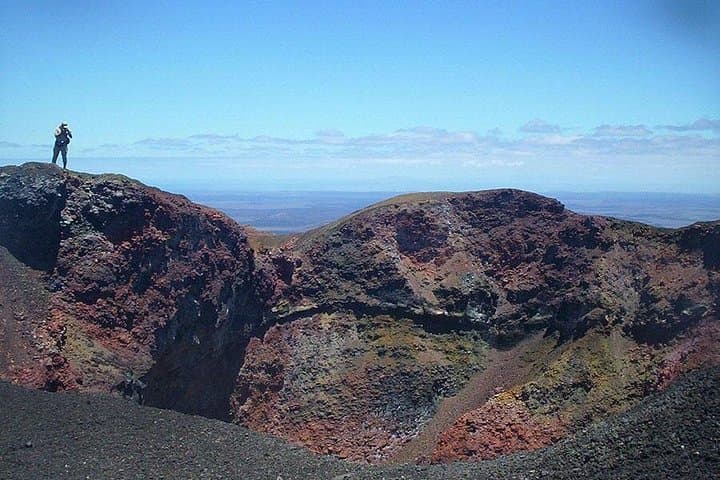
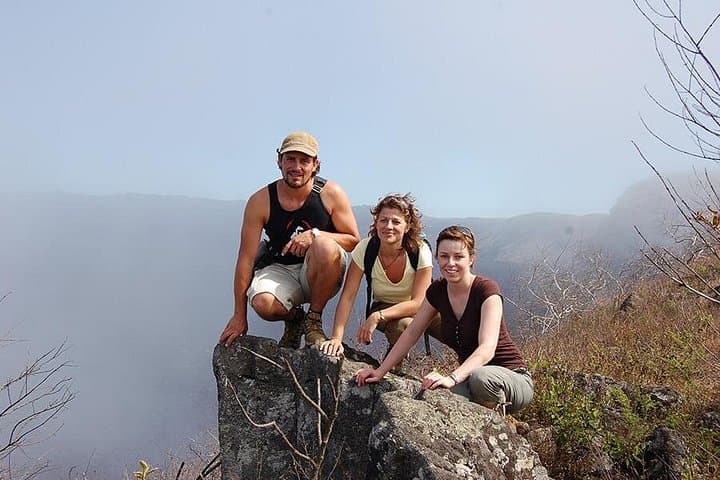
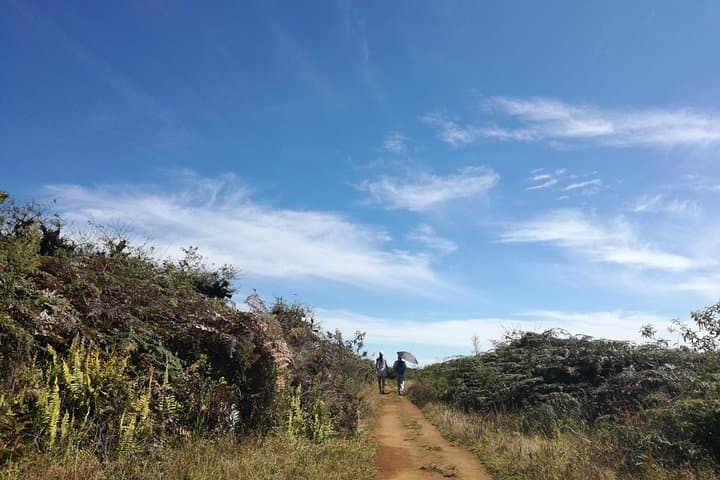
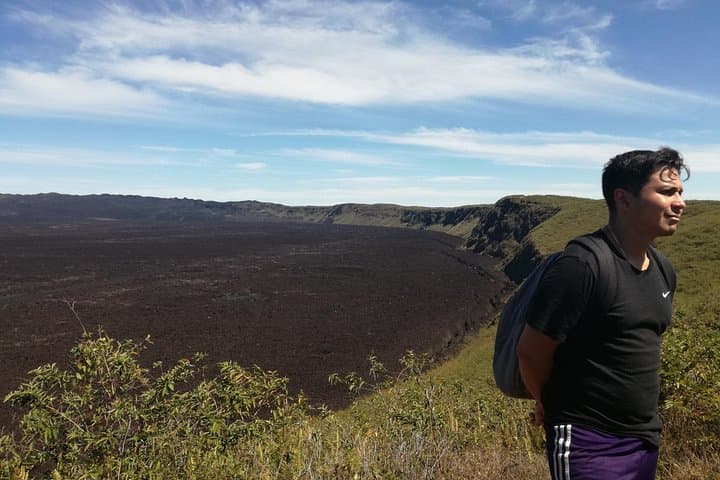
You step off the shuttle at Puerto Villamil and the air feels a little sharper — volcanic rock underfoot, scrubby native plants leaning into the wind. The trail climbs steadily toward Sierra Negra’s rim; ahead, the caldera opens like a raw, black bowl, braided with recent lava flows and interrupted by green pockets where endemic plants cling to life.
You step off the shuttle at Puerto Villamil and the air feels a little sharper — volcanic rock underfoot, scrubby native plants leaning into the wind. The trail climbs steadily toward Sierra Negra’s rim; ahead, the caldera opens like a raw, black bowl, braided with recent lava flows and interrupted by green pockets where endemic plants cling to life.
Sierra Negra is one of Isabela’s six volcanoes and among the most active in the archipelago. The island’s geology is young — hotspot-driven shield volcanoes that build wide, low profiles and expansive calderas. Walking the east rim and then across northeast lava fields, you trace both recent eruptions and the longer arc of Darwin’s observations: species evolving in isolation, mockingbirds hopping on lava, Galapagos Hawks circling above.
Local culture centers on Puerto Villamil, a fishing village turned gateway for naturalists; guides from the town interpret the landscape, flora and fauna, and conservation measures that protect fragile habitats.
Practical guidance: the full route is roughly 15 km and typically takes 5–6 hours with an elevation range near 870–990 m. Trail footing alternates from packed dirt to muddy sections and sharp volcanic rock; a lightweight rain shell and sturdy boots are necessary. Carry 2–3 liters of water, sun protection, and snacks (this tour provides a boxed lunch and a guide). Start early to avoid afternoon winds and to maximize wildlife sightings.
Expect moderate exertion rather than technical climbing; navigation is straightforward with a guide. Respect signed paths, leave no trace, and be prepared for sudden weather shifts — the island’s microclimates can change within an hour.