THE ADVENTURE COLLECTIVE® · Independent discovery and booking for outdoor travel

Walk across the rim of Sierra Negra and peek into Chico’s steaming vents on a 5-hour guided hike from Puerto Villamil. This accessible volcano tour mixes geology, wildlife spotting, and conservation insights with manageable terrain and big caldera views.
Walk across the rim of Sierra Negra and peek into Chico’s steaming vents on a 5-hour guided hike from Puerto Villamil. This accessible volcano tour mixes geology, wildlife spotting, and conservation insights with manageable terrain and big caldera views.
Morning wind cuts across the caldera as the trail opens onto a rim that feels more like a living room for the island — broad, raw, and quietly hot where steam sighs through fumaroles. The walk begins with low, grassy tundra and moves onto packed volcanic ash and hardened lava flows; the crater yawns beside you, a shallow bowl punctured by fumaroles that still warm the air.
Verified experiences and guided adventures in the surrounding area.
Operated by Perfect Destiny · Puerto Villamil, Galápagos
Morning wind cuts across the caldera as the trail opens onto a rim that feels more like a living room for the island — broad, raw, and quietly hot where steam sighs through fumaroles. The walk begins with low, grassy tundra and moves onto packed volcanic ash and hardened lava flows; the crater yawns beside you, a shallow bowl punctured by fumaroles that still warm the air.
Sierra Negra is one of Isabela’s oldest and widest volcanoes; geology here reads like a layered timeline of eruptions, pahoehoe flows, and shield-volcano sculpting. Chico, a smaller cone inside the caldera, offers a short detour to inspect younger lava and warm vents. Culturally, Puerto Villamil is a fishing village with strong ties to the Galápagos National Park — guides often weave natural history with stories of local life and conservation.
Expect about five hours on the trail, mostly flat with a few short rises, and a steady sea breeze that can shift from sun warmth to sharp chill. Keep an eye on volcanic features: warmed soil and steam vents are common near the crater floor. The guide provides local context on endemic flora like Scalesia and the adaptations of land iguanas and Galápagos finches.
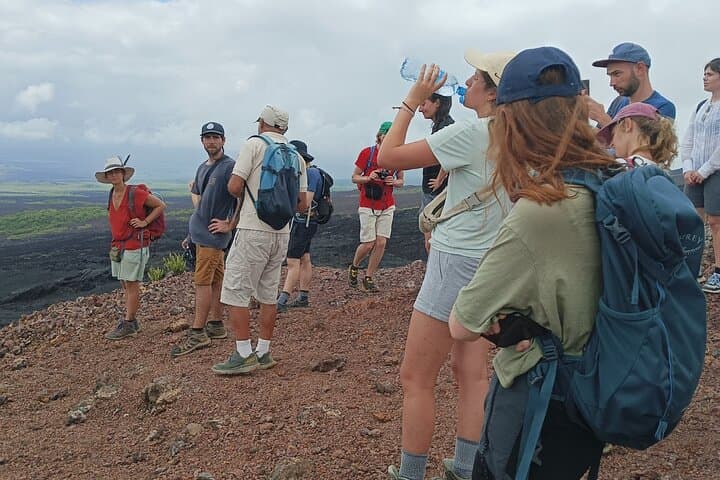
Practical notes: start early to avoid midday heat, bring layered protection from wind and sun, carry water and a box lunch, and wear sturdy shoes for uneven volcanic rock. Park rules protect wildlife and fragile soils — stick to trails and follow your guide to minimize impact.
moderate.
5 hours.
Suitable for most reasonably active travelers; expect steady walking on mixed volcanic terrain with minimal steep sections.
The guided route is about five hours total, mostly flat with a few gentle rises; it’s rated easy–moderate and suitable for most fitness levels.
Visits are organized through licensed guides; standard Galápagos National Park entrance fees apply separately to travelers and should be paid on arrival to Ecuador/Galápagos authorities.
Yes — you may encounter finches, land iguanas, and grazing wild tortoises near vegetation zones; sightings aren’t guaranteed but common along the route.
Trails are a mix of compact volcanic ash, grassy plains, and occasional jagged lava fields near the crater; good footwear is recommended.
The volcano’s repeated eruptions shaped Isabela’s western shore; local communities historically navigated these changing landscapes for fishing and grazing.
Visits are managed to minimize impact: stay on trails, follow guides’ instructions, and avoid disturbing wildlife or fragile vegetation to protect this UNESCO-listed ecosystem.
Perfect Destiny operates guided outdoor trips and adventures with an emphasis on safety, stewardship, and memorable experiences.
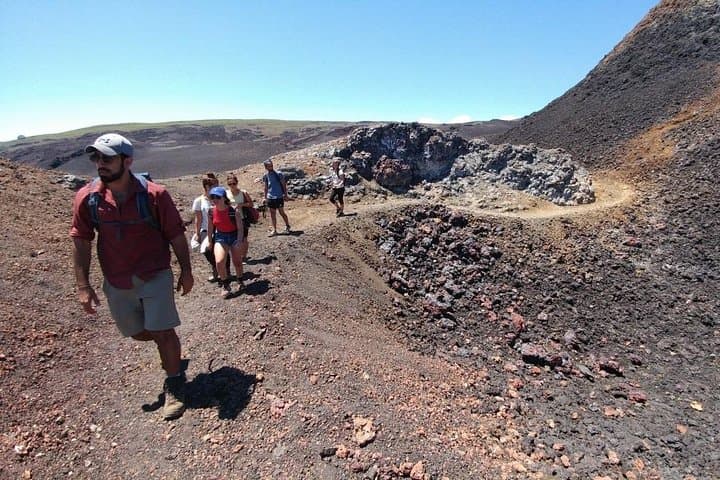
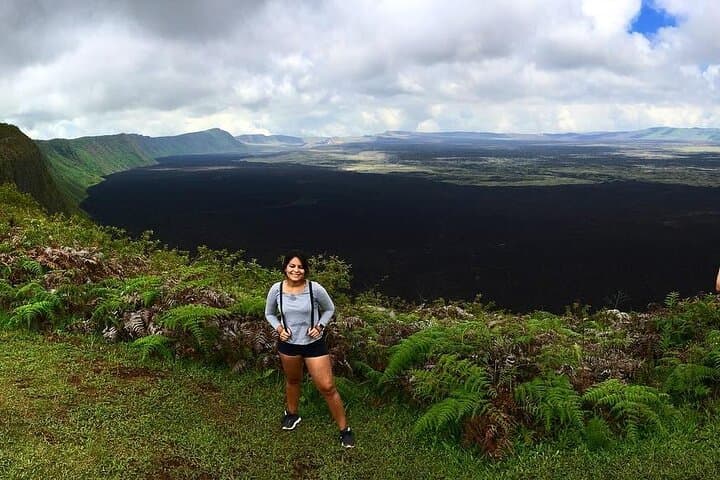
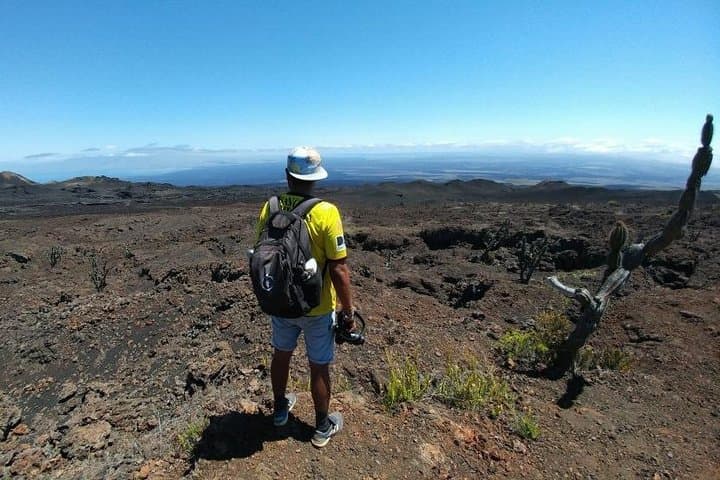
Morning wind cuts across the caldera as the trail opens onto a rim that feels more like a living room for the island — broad, raw, and quietly hot where steam sighs through fumaroles. The walk begins with low, grassy tundra and moves onto packed volcanic ash and hardened lava flows; the crater yawns beside you, a shallow bowl punctured by fumaroles that still warm the air.
Morning wind cuts across the caldera as the trail opens onto a rim that feels more like a living room for the island — broad, raw, and quietly hot where steam sighs through fumaroles. The walk begins with low, grassy tundra and moves onto packed volcanic ash and hardened lava flows; the crater yawns beside you, a shallow bowl punctured by fumaroles that still warm the air.
Sierra Negra is one of Isabela’s oldest and widest volcanoes; geology here reads like a layered timeline of eruptions, pahoehoe flows, and shield-volcano sculpting. Chico, a smaller cone inside the caldera, offers a short detour to inspect younger lava and warm vents. Culturally, Puerto Villamil is a fishing village with strong ties to the Galápagos National Park — guides often weave natural history with stories of local life and conservation.
Expect about five hours on the trail, mostly flat with a few short rises, and a steady sea breeze that can shift from sun warmth to sharp chill. Keep an eye on volcanic features: warmed soil and steam vents are common near the crater floor. The guide provides local context on endemic flora like Scalesia and the adaptations of land iguanas and Galápagos finches.
Practical notes: start early to avoid midday heat, bring layered protection from wind and sun, carry water and a box lunch, and wear sturdy shoes for uneven volcanic rock. Park rules protect wildlife and fragile soils — stick to trails and follow your guide to minimize impact.