THE ADVENTURE COLLECTIVE® · Independent discovery and booking for outdoor travel

Explore Siena’s core on a private walking tour that moves from the dramatic Piazza del Campo to the Duomo’s marble interiors. This two-hour guided route pairs civic history with close-up views of Gothic art and medieval urban life.
Explore Siena’s core on a private walking tour that moves from the dramatic Piazza del Campo to the Duomo’s marble interiors. This two-hour guided route pairs civic history with close-up views of Gothic art and medieval urban life.
You start on the shell-shaped sweep of Piazza del Campo, the stones warmed by sun or slicked by rain, with Torre del Mangia rising like a watchful architect above the crowd.
Verified experiences and guided adventures in the surrounding area.
Operated by Opatrip.com Italy · Siena, Tuscany
You start on the shell-shaped sweep of Piazza del Campo, the stones warmed by sun or slicked by rain, with Torre del Mangia rising like a watchful architect above the crowd.
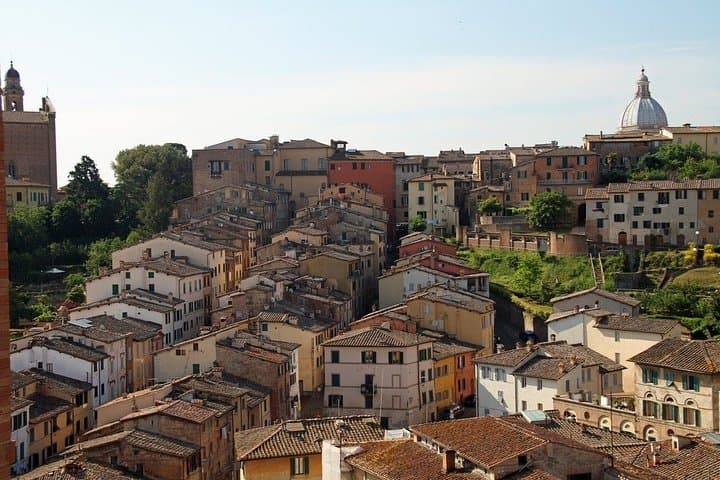
A local guide steers you through narrow, lane-like streets where medieval facades press close and the scent of espresso drifts from a corner bar. The tour moves from public life to the private: the civic energy of the Campo, the weighty civic palace, a terse stop at the Museum of Torture that traces darker municipal practices, and finally the Duomo di Siena—striped marble, carved floors, and frescoed chapels that mark the city's artistic ambitions.
Siena sits on Etruscan and Roman foundations with its modern plan shaped in the Middle Ages; the skyline and stonework reflect centuries of rivalries and patronage that culminated in the Palio horse race and the city-state’s competitive spirit.
Walking here is as much about texture—cobbles, worn steps, carved portals—as it is about monuments. Look for carved coats of arms, hidden courtyards, and the medieval Fontebranda basin where daily life once turned.
Practical guidance: the route covers short distances on uneven cobbles—bring supportive shoes and a small bag. The Duomo usually requires separate admission; check in advance if you want interior access. Private format means your pace controls the day: arrive hydrated, allow two hours, and leave room to linger at a cafe for a glass of Brunello or a slice of panforte.
easy.
2 hours.
Suitable for most fitness levels; requires walking and standing on uneven cobblestones for short stretches
No; the private tour typically includes the guide and exterior or contextual visits. Interior admission to the Duomo and some museums is usually a separate fee—confirm when booking.
This private experience runs about two hours and is paced to your group; because it’s private, you can request a slower pace or more time at particular sites.
The route is short but uses historic cobbles and steps. It’s suitable for many travelers, but those with limited mobility should notify the operator to discuss adjustments.
Guides are typically local and multilingual; confirm your preferred language when booking to ensure availability.
Siena’s urban form and civic monuments reflect its medieval rivalry with Florence and the power of guilds; the Piazza del Campo served as both market and ceremonial arena long before the Palio became the famous horse race.
Historic stone streets and fragile interiors require respectful foot traffic; travelers should avoid touching frescoes and use established routes to minimize wear.
Opatrip.com Italy operates guided outdoor trips and adventures with an emphasis on safety, stewardship, and memorable experiences.
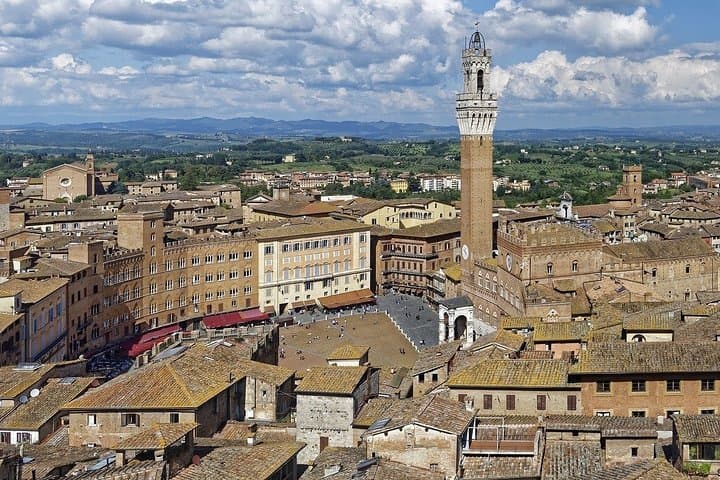
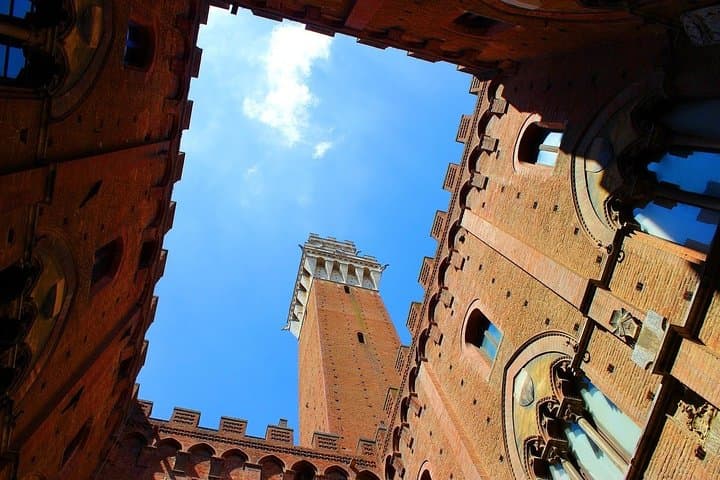
You start on the shell-shaped sweep of Piazza del Campo, the stones warmed by sun or slicked by rain, with Torre del Mangia rising like a watchful architect above the crowd.
You start on the shell-shaped sweep of Piazza del Campo, the stones warmed by sun or slicked by rain, with Torre del Mangia rising like a watchful architect above the crowd.
A local guide steers you through narrow, lane-like streets where medieval facades press close and the scent of espresso drifts from a corner bar. The tour moves from public life to the private: the civic energy of the Campo, the weighty civic palace, a terse stop at the Museum of Torture that traces darker municipal practices, and finally the Duomo di Siena—striped marble, carved floors, and frescoed chapels that mark the city's artistic ambitions.
Siena sits on Etruscan and Roman foundations with its modern plan shaped in the Middle Ages; the skyline and stonework reflect centuries of rivalries and patronage that culminated in the Palio horse race and the city-state’s competitive spirit.
Walking here is as much about texture—cobbles, worn steps, carved portals—as it is about monuments. Look for carved coats of arms, hidden courtyards, and the medieval Fontebranda basin where daily life once turned.
Practical guidance: the route covers short distances on uneven cobbles—bring supportive shoes and a small bag. The Duomo usually requires separate admission; check in advance if you want interior access. Private format means your pace controls the day: arrive hydrated, allow two hours, and leave room to linger at a cafe for a glass of Brunello or a slice of panforte.