THE ADVENTURE COLLECTIVE® · Independent discovery and booking for outdoor travel

Pair solemn history with riverside life on this private six‑hour Siem Reap tour. Visit the War Museum and Wat Thmey Killing Field, then glide through Kampong Phluk’s stilted houses on Tonle Sap.
Pair solemn history with riverside life on this private six‑hour Siem Reap tour. Visit the War Museum and Wat Thmey Killing Field, then glide through Kampong Phluk’s stilted houses on Tonle Sap.
You step out of an air‑conditioned van into a hot Siem Reap morning; sunlight pins the long shadows of palms to the road and the guide’s voice lowers as you approach Wat Thmey. The Killing Field’s concrete memorial and modest stupa hold a heavy quiet — names, skulls, and stories that trace the Khmer Rouge years and the resilience of local communities.
Verified experiences and guided adventures in the surrounding area.
Operated by Angkor Daily Trip · Siem Reap, Siem Reap Province
You step out of an air‑conditioned van into a hot Siem Reap morning; sunlight pins the long shadows of palms to the road and the guide’s voice lowers as you approach Wat Thmey. The Killing Field’s concrete memorial and modest stupa hold a heavy quiet — names, skulls, and stories that trace the Khmer Rouge years and the resilience of local communities.
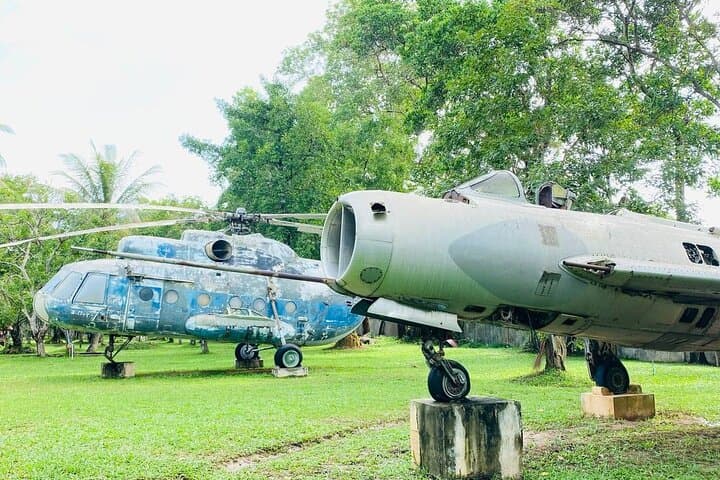
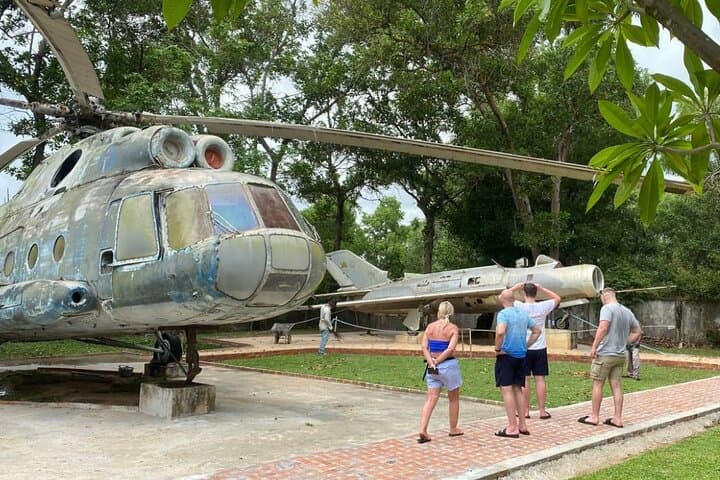
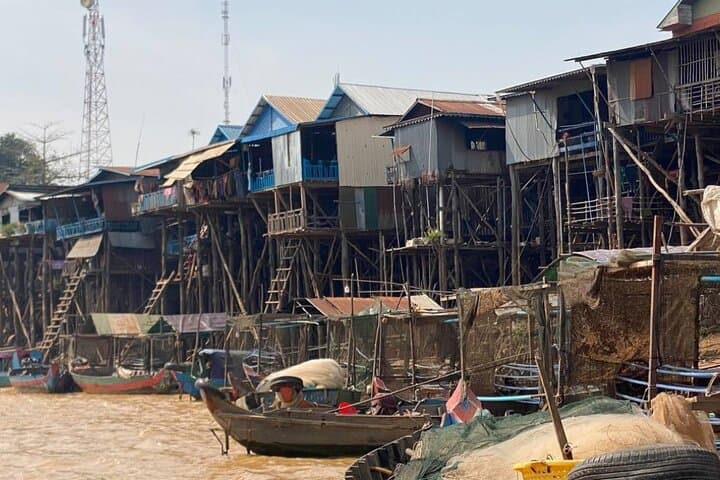
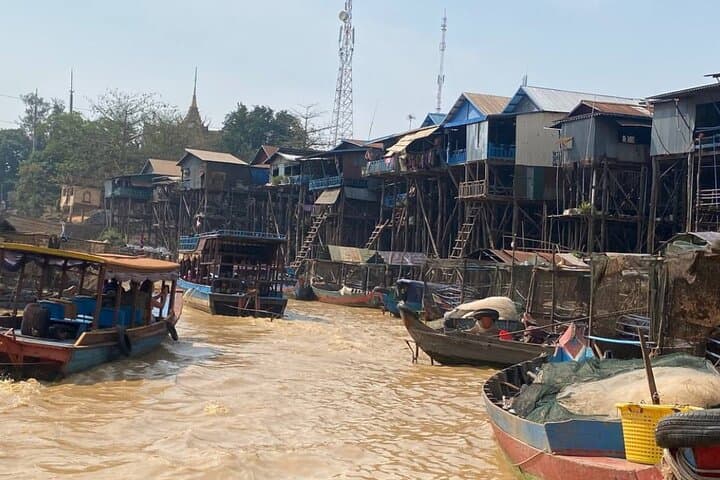
From this sobering start the day loosens: the War Museum shelves rusted relics and first‑hand accounts that map the conflict’s geography, while the route toward Tonle Sap opens into a landscape ruled by water and season. Kampong Phluk, a village built on stilts where mangroves and flooded fields push and pull with the lake, shows how life adapts to annual rise and fall; boats become roads and stilt posts mark the dry season like a ledger.
Expect close encounters with wooden piers, narrow canals, and low‑slung houses where children wave from balconies. Photography and curiosity are welcome, but the village rewards quiet respect and small purchases from local vendors more than intrusive questions.
Practical guide: this private, roughly six‑hour tour uses an AC vehicle and includes admission fees; bring sun protection, modest clothing for memorial sites, and cash for boat fees or local crafts. Wear sturdy shoes that can handle muddy banks and slippery docks, and time your visit in the dry morning for cooler light and calmer boat rides. Observe respectfully at memorials, support ethical operators, and pack out waste — the lake’s seasonal pulse is fragile and depends on thoughtful visitors.
easy.
5–6 hours.
Suitable for most fitness levels; requires short walks on uneven ground and boarding a small boat
This private tour lasts about six hours and typically visits the War Museum, Wat Thmey Killing Field, and Kampong Phluk floating village with a boat ride included.
Yes — admission fees for the War Museum and Killing Field and entrance to Kampong Phluk are included per the tour details, but bring cash for local purchases.
The tour is family‑friendly but memorial sites can be emotionally intense; boarding boats and walking on uneven docks may be difficult for those with limited mobility.
Early morning or late afternoon offers cooler temperatures, softer light for photos, and calmer water—midday can be hot and bright.
The Killing Field at Wat Thmey commemorates victims of the Khmer Rouge (1975–1979); nearby the War Museum preserves artifacts and survivor accounts that map the civil conflict’s local impact.
Tonle Sap’s ecology depends on seasonal flooding; respect local rules, avoid single‑use plastics, and choose operators who support community livelihoods to reduce tourism pressure.
Angkor Daily Trip operates guided outdoor trips and adventures with an emphasis on safety, stewardship, and memorable experiences.
You step out of an air‑conditioned van into a hot Siem Reap morning; sunlight pins the long shadows of palms to the road and the guide’s voice lowers as you approach Wat Thmey. The Killing Field’s concrete memorial and modest stupa hold a heavy quiet — names, skulls, and stories that trace the Khmer Rouge years and the resilience of local communities.
You step out of an air‑conditioned van into a hot Siem Reap morning; sunlight pins the long shadows of palms to the road and the guide’s voice lowers as you approach Wat Thmey. The Killing Field’s concrete memorial and modest stupa hold a heavy quiet — names, skulls, and stories that trace the Khmer Rouge years and the resilience of local communities.
From this sobering start the day loosens: the War Museum shelves rusted relics and first‑hand accounts that map the conflict’s geography, while the route toward Tonle Sap opens into a landscape ruled by water and season. Kampong Phluk, a village built on stilts where mangroves and flooded fields push and pull with the lake, shows how life adapts to annual rise and fall; boats become roads and stilt posts mark the dry season like a ledger.
Expect close encounters with wooden piers, narrow canals, and low‑slung houses where children wave from balconies. Photography and curiosity are welcome, but the village rewards quiet respect and small purchases from local vendors more than intrusive questions.
Practical guide: this private, roughly six‑hour tour uses an AC vehicle and includes admission fees; bring sun protection, modest clothing for memorial sites, and cash for boat fees or local crafts. Wear sturdy shoes that can handle muddy banks and slippery docks, and time your visit in the dry morning for cooler light and calmer boat rides. Observe respectfully at memorials, support ethical operators, and pack out waste — the lake’s seasonal pulse is fragile and depends on thoughtful visitors.