THE ADVENTURE COLLECTIVE® · Independent discovery and booking for outdoor travel

A full-day cultural drive from Siem Reap that pairs the cliff-top majesty of Preah Vihear with the jungle-swathed pyramid of Koh Ker. Expect long drives, steep steps, and remote ruins rarely crowded in a single day.
A full-day cultural drive from Siem Reap that pairs the cliff-top majesty of Preah Vihear with the jungle-swathed pyramid of Koh Ker. Expect long drives, steep steps, and remote ruins rarely crowded in a single day.
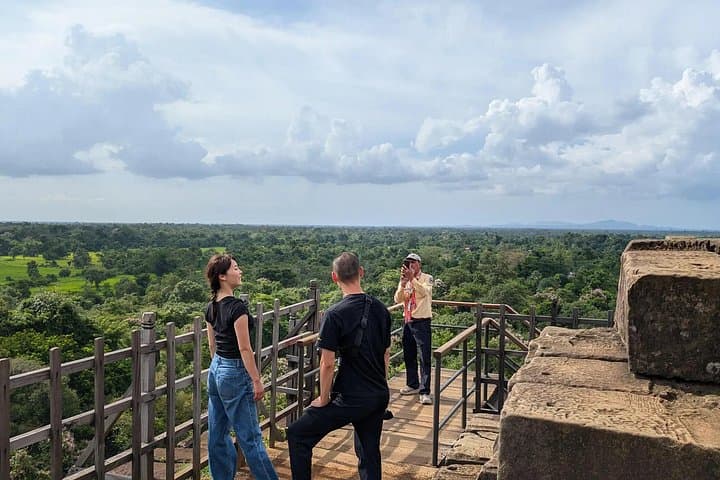
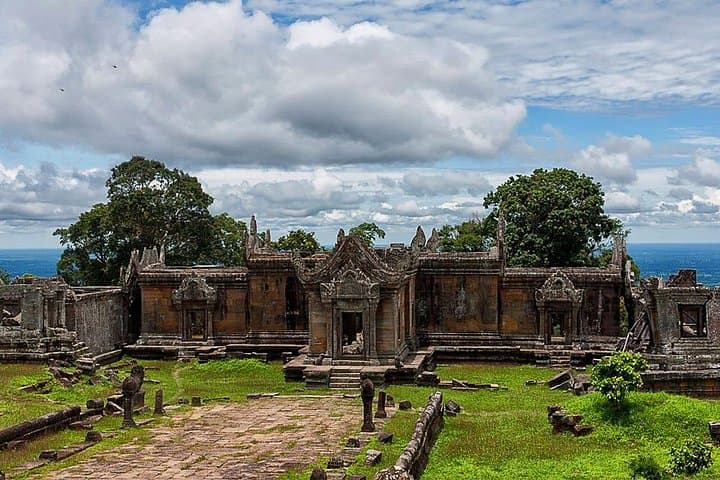
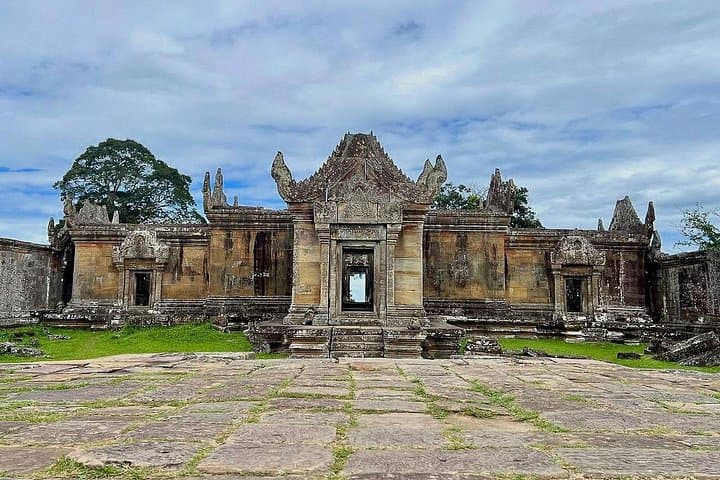
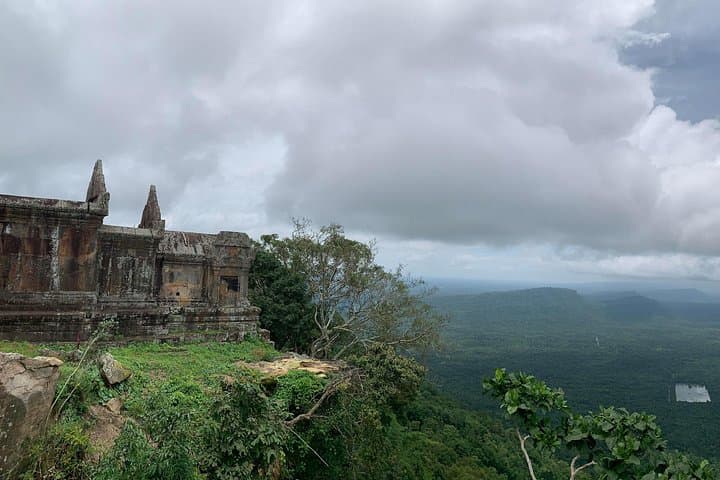
The morning road out of Siem Reap smells of diesel and green rice; the highway opens onto a rougher country of red earth and scrub where the Dângrêk Mountains rear up like a wall. By midmorning the tour climbs toward the cliff-top Preah Vihear Temple, where stone terraces give way to raw sky and the wind seems to push you toward the edge. The temple’s axial galleries and carved lintels read like a timeline of Khmer devotion, each doorway a lived-in doorway of the past.
Verified experiences and guided adventures in the surrounding area.
Operated by Cambodia Transport Service · Siem Reap, Siem Reap Province
The morning road out of Siem Reap smells of diesel and green rice; the highway opens onto a rougher country of red earth and scrub where the Dângrêk Mountains rear up like a wall. By midmorning the tour climbs toward the cliff-top Preah Vihear Temple, where stone terraces give way to raw sky and the wind seems to push you toward the edge. The temple’s axial galleries and carved lintels read like a timeline of Khmer devotion, each doorway a lived-in doorway of the past.
Later the group slips into the deep shade of Koh Ker’s jungle—Prasat Thom’s seven-tier pyramid rises suddenly through a tangle of trees, a rare vertical note against horizontal ruins. Koh Ker was briefly a royal capital in the 10th century; Preah Vihear sits on the northern rim of the empire, its stones set to catch views toward modern-day Thailand. Geologically the area is an escarpment of resistant bedrock that has preserved elevated temple platforms and created dramatic outlooks.
Practicalities shape the day: expect a full 10–12 hour outing with long drives on bumpy rural roads, steep temple staircases, and uneven carved stone underfoot. Modest dress (shoulders and knees covered) is required inside sanctuaries; bring at least 2 liters of water, sun protection, insect repellent, and small bills for donations or local purchases. Start early to avoid the hottest hours and to get light that brings relief to carved reliefs. Guides provide context and manage route logistics; physical demands are moderate but require sure footing and basic stamina. The trip rewards with remote ruins, wide views, and a sense of moving through living history.
moderate.
10–12 hours.
Should be comfortable with several uphill sections and long periods of standing and walking; basic stamina required.
Expect about 2–3 hours each way depending on traffic and road conditions; the tour is a full-day outing.
Both Preah Vihear and Koh Ker require site access fees—bring cash in local currency for permits, donations, and small purchases.
Yes if participants can handle stair climbs and long vehicle rides; infant seats may be available but consult the operator about mobility limits.
Lunch is usually provided on the tour, but carry snacks if you have dietary needs and small change for roadside shops.
Preah Vihear became a UNESCO World Heritage Site in 2008 and served as a strategic, sacred mountaintop sanctuary for the Khmer Empire; Koh Ker was a short-lived 10th-century capital whose Prasat Thom is unusually pyramidiform for Khmer architecture.
High visitor numbers and exposed sandstone demand respectful behavior—stay on paths, avoid climbing fragile carvings, and pack out trash to reduce impact.
Cambodia Transport Service operates guided outdoor trips and adventures with an emphasis on safety, stewardship, and memorable experiences.
The morning road out of Siem Reap smells of diesel and green rice; the highway opens onto a rougher country of red earth and scrub where the Dângrêk Mountains rear up like a wall. By midmorning the tour climbs toward the cliff-top Preah Vihear Temple, where stone terraces give way to raw sky and the wind seems to push you toward the edge. The temple’s axial galleries and carved lintels read like a timeline of Khmer devotion, each doorway a lived-in doorway of the past.
The morning road out of Siem Reap smells of diesel and green rice; the highway opens onto a rougher country of red earth and scrub where the Dângrêk Mountains rear up like a wall. By midmorning the tour climbs toward the cliff-top Preah Vihear Temple, where stone terraces give way to raw sky and the wind seems to push you toward the edge. The temple’s axial galleries and carved lintels read like a timeline of Khmer devotion, each doorway a lived-in doorway of the past.
Later the group slips into the deep shade of Koh Ker’s jungle—Prasat Thom’s seven-tier pyramid rises suddenly through a tangle of trees, a rare vertical note against horizontal ruins. Koh Ker was briefly a royal capital in the 10th century; Preah Vihear sits on the northern rim of the empire, its stones set to catch views toward modern-day Thailand. Geologically the area is an escarpment of resistant bedrock that has preserved elevated temple platforms and created dramatic outlooks.
Practicalities shape the day: expect a full 10–12 hour outing with long drives on bumpy rural roads, steep temple staircases, and uneven carved stone underfoot. Modest dress (shoulders and knees covered) is required inside sanctuaries; bring at least 2 liters of water, sun protection, insect repellent, and small bills for donations or local purchases. Start early to avoid the hottest hours and to get light that brings relief to carved reliefs. Guides provide context and manage route logistics; physical demands are moderate but require sure footing and basic stamina. The trip rewards with remote ruins, wide views, and a sense of moving through living history.