THE ADVENTURE COLLECTIVE® · Independent discovery and booking for outdoor travel

Drive between Siem Reap and Phnom Penh in an air-conditioned private vehicle with door-to-door pickup and optional stops like Kampong Khleang. Expect a 6–8 hour road journey through the Tonle Sap floodplain with flexible pickup times and English-speaking drivers.
Drive between Siem Reap and Phnom Penh in an air-conditioned private vehicle with door-to-door pickup and optional stops like Kampong Khleang. Expect a 6–8 hour road journey through the Tonle Sap floodplain with flexible pickup times and English-speaking drivers.
You pull away from the shaded streets of Siem Reap and the road unfurls—flat lowlands, rice paddies tilting toward the Mekong basin, and the occasional cluster of stilt houses that mark the lake’s edge. The journey is less a blur of asphalt than a slow reveal of central Cambodia: fishermen hauling nets, roadside markets selling fried snacks, and hawkers on the highway shoulder.
Verified experiences and guided adventures in the surrounding area.
Operated by Buffalo Angkor · Siem Reap, Siem Reap Province
You pull away from the shaded streets of Siem Reap and the road unfurls—flat lowlands, rice paddies tilting toward the Mekong basin, and the occasional cluster of stilt houses that mark the lake’s edge. The journey is less a blur of asphalt than a slow reveal of central Cambodia: fishermen hauling nets, roadside markets selling fried snacks, and hawkers on the highway shoulder.
Historically this corridor ties the Khmer heartland to the capital, a passage that centuries of river trade and colonial-era road building have shaped. Geologically the route crosses the Tonle Sap floodplain—a broad, seasonally inundated landscape that swells in the monsoon and contracts in the dry months—so expect mud and high water in the wet season and a surprisingly open, sun-baked plain in the dry.
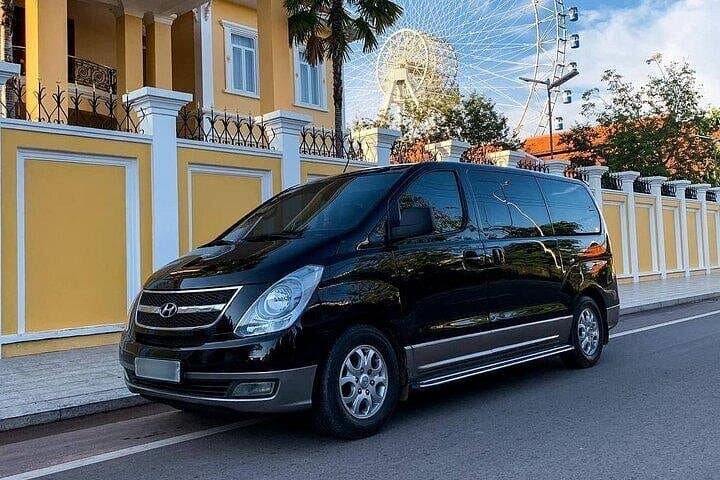
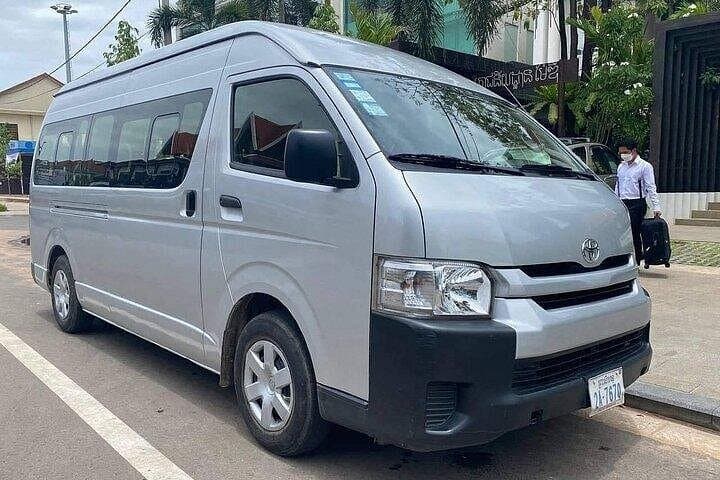
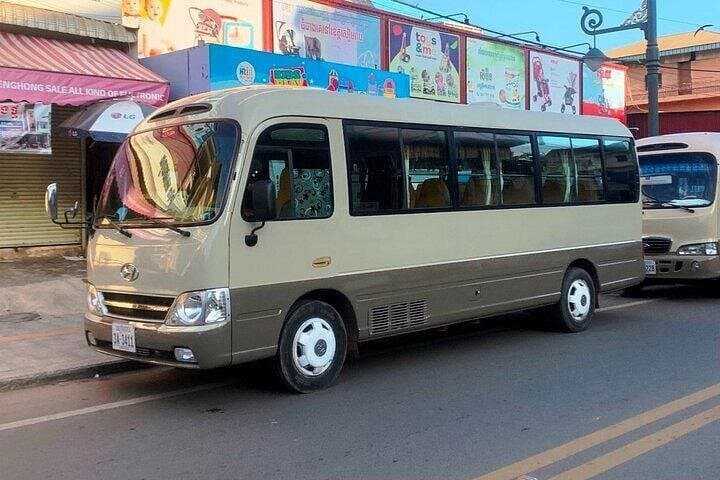
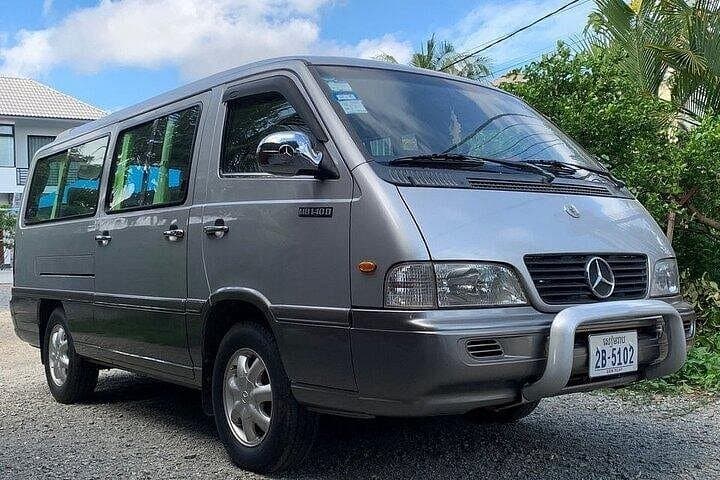
Culturally, the road threads through living villages and places like Kampong Khleang, where houses ride the lake’s seasonal rise, and Skun, known for its unique fried spider stalls. Drivers wear dark purple polo shirts and hold signs at pickup; vehicles range from 3-seater cars to 10-seater vans, all air-conditioned and wheelchair-accessible.
Practical guidance: the trip is roughly 320 km and typically takes 6–8 hours depending on traffic and stops. Book with hotel pickup details and full traveler names. If you want a boat at Kampong Khleang, bring cash for the additional boat fee and allow at least 45–90 minutes. Pack sunscreen, light layers, and a refillable water bottle; plan departures to avoid Phnom Penh rush hours. With a little planning, this transfer doubles as a rolling introduction to Cambodia’s countryside.
easy.
6–8 hours.
Suitable for all fitness levels; mostly seated travel with brief walking at stops
Yes—this private transfer offers door-to-door pickup and drop-off; you must supply the hotel name and full address when booking.
Yes—stops are flexible; Kampong Khleang requires an additional boat fee paid locally and Skun can be a short roadside visit for snacks and local goods.
Vehicles and surfaces are listed as wheelchair- and stroller-accessible; notify the operator of special requirements at booking so appropriate arrangements can be made.
All sales are final—there are no refunds for cancellations, so confirm plans before booking.
The highway links the Angkor-era hinterland to Phnom Penh, reflecting centuries of river trade and 20th-century road-building that bind Cambodia’s capital to its northern provinces.
Tonle Sap is a critical, seasonally flooded ecosystem; respect floating-village livelihoods by minimizing single-use plastics and following local guidance on boat access.
Buffalo Angkor operates guided outdoor trips and adventures with an emphasis on safety, stewardship, and memorable experiences.
You pull away from the shaded streets of Siem Reap and the road unfurls—flat lowlands, rice paddies tilting toward the Mekong basin, and the occasional cluster of stilt houses that mark the lake’s edge. The journey is less a blur of asphalt than a slow reveal of central Cambodia: fishermen hauling nets, roadside markets selling fried snacks, and hawkers on the highway shoulder.
You pull away from the shaded streets of Siem Reap and the road unfurls—flat lowlands, rice paddies tilting toward the Mekong basin, and the occasional cluster of stilt houses that mark the lake’s edge. The journey is less a blur of asphalt than a slow reveal of central Cambodia: fishermen hauling nets, roadside markets selling fried snacks, and hawkers on the highway shoulder.
Historically this corridor ties the Khmer heartland to the capital, a passage that centuries of river trade and colonial-era road building have shaped. Geologically the route crosses the Tonle Sap floodplain—a broad, seasonally inundated landscape that swells in the monsoon and contracts in the dry months—so expect mud and high water in the wet season and a surprisingly open, sun-baked plain in the dry.
Culturally, the road threads through living villages and places like Kampong Khleang, where houses ride the lake’s seasonal rise, and Skun, known for its unique fried spider stalls. Drivers wear dark purple polo shirts and hold signs at pickup; vehicles range from 3-seater cars to 10-seater vans, all air-conditioned and wheelchair-accessible.
Practical guidance: the trip is roughly 320 km and typically takes 6–8 hours depending on traffic and stops. Book with hotel pickup details and full traveler names. If you want a boat at Kampong Khleang, bring cash for the additional boat fee and allow at least 45–90 minutes. Pack sunscreen, light layers, and a refillable water bottle; plan departures to avoid Phnom Penh rush hours. With a little planning, this transfer doubles as a rolling introduction to Cambodia’s countryside.