THE ADVENTURE COLLECTIVE® · Independent discovery and booking for outdoor travel

Skip the bus and take a private car or minivan between Siem Reap and Phnom Penh. Expect a 5–6 hour, door-to-door drive through rice plains, small towns, and roadside markets with one planned stop.
Skip the bus and take a private car or minivan between Siem Reap and Phnom Penh. Expect a 5–6 hour, door-to-door drive through rice plains, small towns, and roadside markets with one planned stop.
You roll out of Siem Reap just after dawn, the road a ribbon of asphalt threading rice paddies and roadside markets. The air carries diesel and grilled fish; villages open like pages as the driver steers toward Phnom Penh. A private car or minivan makes the 320 km journey in roughly 5–6 hours, with a single scheduled stop for food and rest.
Verified experiences and guided adventures in the surrounding area.
Operated by Sightseeing Cambodia · Siem Reap, Siem Reap Province
You roll out of Siem Reap just after dawn, the road a ribbon of asphalt threading rice paddies and roadside markets. The air carries diesel and grilled fish; villages open like pages as the driver steers toward Phnom Penh. A private car or minivan makes the 320 km journey in roughly 5–6 hours, with a single scheduled stop for food and rest.
The route crosses the Tonle Sap floodplain and skirts ancient Khmer agricultural lands that supplied Angkor’s capital centuries ago. Geologically the corridor runs from low alluvial plains into the Mekong basin; culturally it links two very different urban rhythms — the Angkor-era temples and tourist economy of Siem Reap with Phnom Penh’s French-colonial boulevards and riverside bustle. Along the way expect roadside temples, small markets, and the occasional wooden stilt-house community that has changed little in decades.
Practically, a private transfer saves time compared with public buses and offers door-to-door convenience. Vehicles are air-conditioned, seat-belted, and typically driven by English-speaking, experienced drivers who can pause for basic needs. Plan for variable traffic approaching Phnom Penh, and bring snacks, a charged phone, and a lightweight jacket for the air-con.
If you want stops beyond the routine lunch break, discuss Beng Mealea or a Kampong Thom market pause with the driver in advance — both add time but reward with quieter temples and local food. For travelers who value comfort and reliability on Cambodia’s main east–west spur, a private transfer is the straightforward, low-stress option.
easy.
5–6 hours.
No special fitness required; suitable for travelers of all levels who can sit for several hours.
The transfer covers about 320 km and typically takes 5–6 hours depending on traffic and the length of any stops.
Yes—drivers will usually accommodate extra stops for a reasonable fee or by prior arrangement, but extra stops add travel time.
Yes; the service provides air-conditioned SUVs or minivans with functioning seat belts for all passengers.
Most drivers speak basic English sufficient for coordinating stops and pick-up/drop-off; confirm language needs when booking.
The road links Angkor’s agricultural hinterland to Phnom Penh; historically it has been a conduit for trade and seasonal migration between the inland plains and the Mekong river capital.
Limit single-use plastics on the journey and use local eateries to support roadside economies; stick to designated parking and resting areas to avoid disturbance to roadside habitats.
Sightseeing Cambodia operates guided outdoor trips and adventures with an emphasis on safety, stewardship, and memorable experiences.

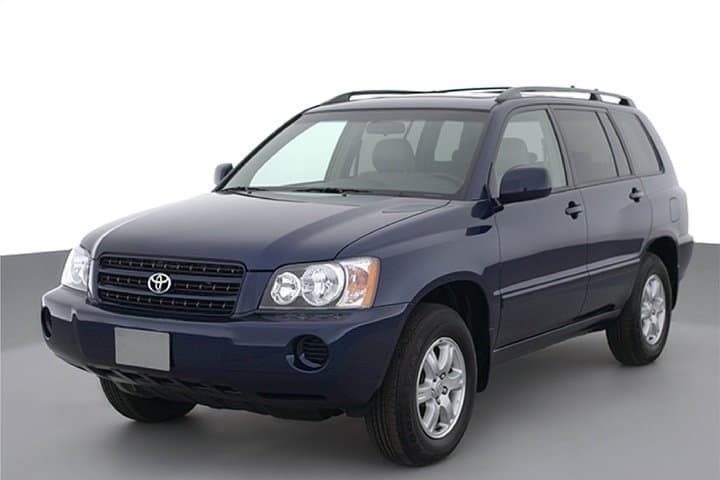
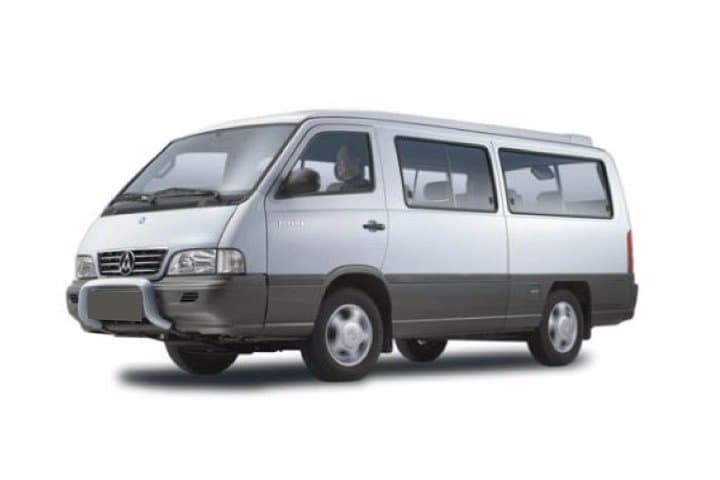

You roll out of Siem Reap just after dawn, the road a ribbon of asphalt threading rice paddies and roadside markets. The air carries diesel and grilled fish; villages open like pages as the driver steers toward Phnom Penh. A private car or minivan makes the 320 km journey in roughly 5–6 hours, with a single scheduled stop for food and rest.
You roll out of Siem Reap just after dawn, the road a ribbon of asphalt threading rice paddies and roadside markets. The air carries diesel and grilled fish; villages open like pages as the driver steers toward Phnom Penh. A private car or minivan makes the 320 km journey in roughly 5–6 hours, with a single scheduled stop for food and rest.
The route crosses the Tonle Sap floodplain and skirts ancient Khmer agricultural lands that supplied Angkor’s capital centuries ago. Geologically the corridor runs from low alluvial plains into the Mekong basin; culturally it links two very different urban rhythms — the Angkor-era temples and tourist economy of Siem Reap with Phnom Penh’s French-colonial boulevards and riverside bustle. Along the way expect roadside temples, small markets, and the occasional wooden stilt-house community that has changed little in decades.
Practically, a private transfer saves time compared with public buses and offers door-to-door convenience. Vehicles are air-conditioned, seat-belted, and typically driven by English-speaking, experienced drivers who can pause for basic needs. Plan for variable traffic approaching Phnom Penh, and bring snacks, a charged phone, and a lightweight jacket for the air-con.
If you want stops beyond the routine lunch break, discuss Beng Mealea or a Kampong Thom market pause with the driver in advance — both add time but reward with quieter temples and local food. For travelers who value comfort and reliability on Cambodia’s main east–west spur, a private transfer is the straightforward, low-stress option.