THE ADVENTURE COLLECTIVE® · Independent discovery and booking for outdoor travel

Spend a day by war jeep and boat from Siem Reap to Kompong Pluk, combining floating-village waterways, museum stops, cultural performances and a sunset hilltop. This private 8-hour circuit mixes hands-on local encounters with reflection at memorial sites.
Spend a day by war jeep and boat from Siem Reap to Kompong Pluk, combining floating-village waterways, museum stops, cultural performances and a sunset hilltop. This private 8-hour circuit mixes hands-on local encounters with reflection at memorial sites.
A low sun gilds the floodplain as a vintage war jeep rumbles away from Siem Reap, carrying travelers toward the water-bent edges of Tonle Sap.
Verified experiences and guided adventures in the surrounding area.
Operated by Angkor Friendly tour · Siem Reap, Siem Reap
A low sun gilds the floodplain as a vintage war jeep rumbles away from Siem Reap, carrying travelers toward the water-bent edges of Tonle Sap.
The day begins in Chreav Ecotourism Community, where irrigated crop beds give way to stilt villages and Kompong Pluk’s timber houses rise like an engineered forest above seasonal water. The boat slides under a lattice of house stilts and mangrove roots, the river daring you forward and revealing mudflat channels where fishermen mend nets.
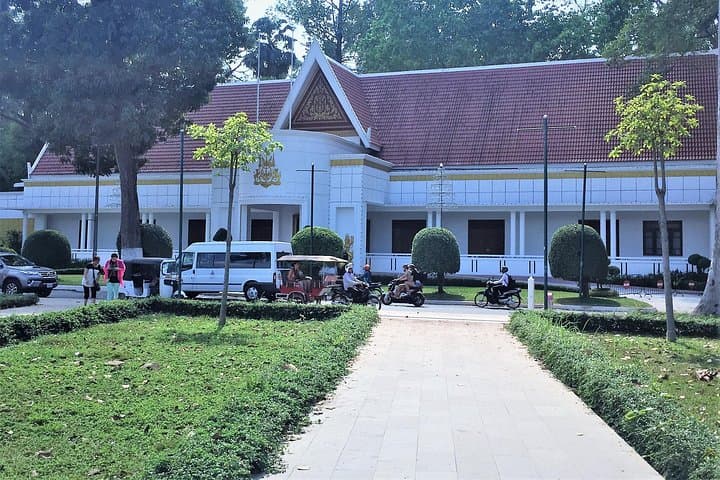
This route threads Cambodia’s recent past with its older rhythms: colonial French architecture and the King’s residence punctuate Khmer temple heritage, while the Angkor National Museum houses artifacts that explain the Angkorian empire’s reach. Geologically, Tonle Sap is defined by an annual pulse—rising waters that expand the lake and carry nutrient-rich sediments back to the plains, shaping agriculture and village life.
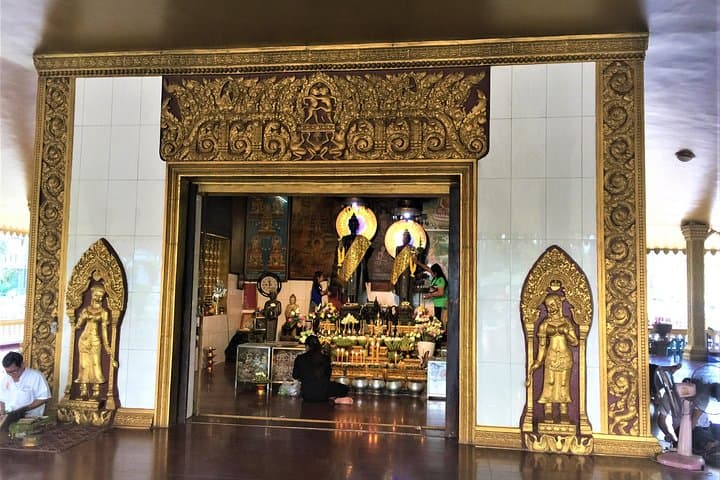
Cultural stops—Cambodian Cultural Village, the War Museum, and Artisan D’Angkor—offer context on crafts, conflict, and contemporary recovery; the Killing Fields memorial and Buddhist pagoda ask for quiet reflection.
Practical guidance: expect an 8-hour private tour with a mix of short walks, a two-hour boat ride (boat ticket typically $20), and several paid admissions (Angkor National Museum ~$12, others vary). Dress respectfully for pagodas—shoulders and knees covered. Bring insect repellent, sun protection, a waterproof bag for cameras, and small local currency for entrance fees and souvenirs.
Timing a sunset on the hilltop caps the day: the lotus farm breathes steam into the cooling air while the low light stretches the silhouettes of houses on stilts.
easy.
8 hours.
Suitable for most travelers; able to step on/off boats and walk short stretches on uneven ground.
No—several sites (boat to Kompong Pluk, Angkor National Museum, Cambodian Cultural Village, War Museum) charge separate admissions payable locally.
Yes—this is a private tour with a licensed driver in a war jeep and an English-speaking guide included.
Yes—listed as physically easy; infants must sit on a lap and some sites may require quiet behavior at memorials and pagodas.
Modest clothing covering shoulders and knees is required; the operator can provide a scarf if needed for short walks.
Floating villages developed with the Tonle Sap’s seasonal flood pulse and reflect centuries of adaptation; Angkor artifacts in local museums trace the Khmer empire’s cultural reach.
Tonle Sap’s ecology is fragile—support community-based operators, avoid single-use plastics, and follow local guidance to limit disturbance to nesting birds and fish habitats.
Angkor Friendly tour operates guided outdoor trips and adventures with an emphasis on safety, stewardship, and memorable experiences.
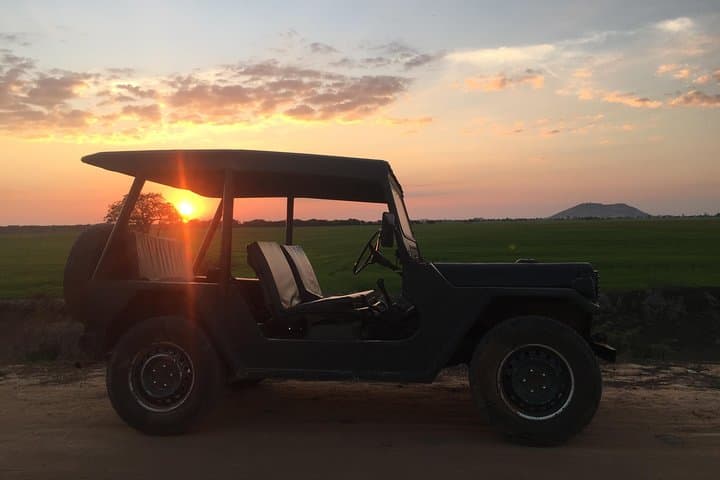
A low sun gilds the floodplain as a vintage war jeep rumbles away from Siem Reap, carrying travelers toward the water-bent edges of Tonle Sap.
A low sun gilds the floodplain as a vintage war jeep rumbles away from Siem Reap, carrying travelers toward the water-bent edges of Tonle Sap.
The day begins in Chreav Ecotourism Community, where irrigated crop beds give way to stilt villages and Kompong Pluk’s timber houses rise like an engineered forest above seasonal water. The boat slides under a lattice of house stilts and mangrove roots, the river daring you forward and revealing mudflat channels where fishermen mend nets.
This route threads Cambodia’s recent past with its older rhythms: colonial French architecture and the King’s residence punctuate Khmer temple heritage, while the Angkor National Museum houses artifacts that explain the Angkorian empire’s reach. Geologically, Tonle Sap is defined by an annual pulse—rising waters that expand the lake and carry nutrient-rich sediments back to the plains, shaping agriculture and village life.
Cultural stops—Cambodian Cultural Village, the War Museum, and Artisan D’Angkor—offer context on crafts, conflict, and contemporary recovery; the Killing Fields memorial and Buddhist pagoda ask for quiet reflection.
Practical guidance: expect an 8-hour private tour with a mix of short walks, a two-hour boat ride (boat ticket typically $20), and several paid admissions (Angkor National Museum ~$12, others vary). Dress respectfully for pagodas—shoulders and knees covered. Bring insect repellent, sun protection, a waterproof bag for cameras, and small local currency for entrance fees and souvenirs.
Timing a sunset on the hilltop caps the day: the lotus farm breathes steam into the cooling air while the low light stretches the silhouettes of houses on stilts.