THE ADVENTURE COLLECTIVE® · Independent discovery and booking for outdoor travel

Spend a day moving through Angkor’s compact ‘small circle’—Angkor Wat, Ta Prohm and Angkor Thom—guided by local experts. This full-day route combines major monuments, cultural context, and practical tips for a smoother visit.
Spend a day moving through Angkor’s compact ‘small circle’—Angkor Wat, Ta Prohm and Angkor Thom—guided by local experts. This full-day route combines major monuments, cultural context, and practical tips for a smoother visit.
Morning light slices through the banyans as your driver eases onto the shaded road toward Angkor; the air feels warm, the stone already radiating the heat it held overnight. By 8:00 a.m. your guide leads you into the ticket office, then through queues and across causeways where elephants once moved and kings once crossed.
Verified experiences and guided adventures in the surrounding area.
Operated by Happy Angkor Driver · Siem Reap, Siem Reap Province
Morning light slices through the banyans as your driver eases onto the shaded road toward Angkor; the air feels warm, the stone already radiating the heat it held overnight. By 8:00 a.m. your guide leads you into the ticket office, then through queues and across causeways where elephants once moved and kings once crossed.
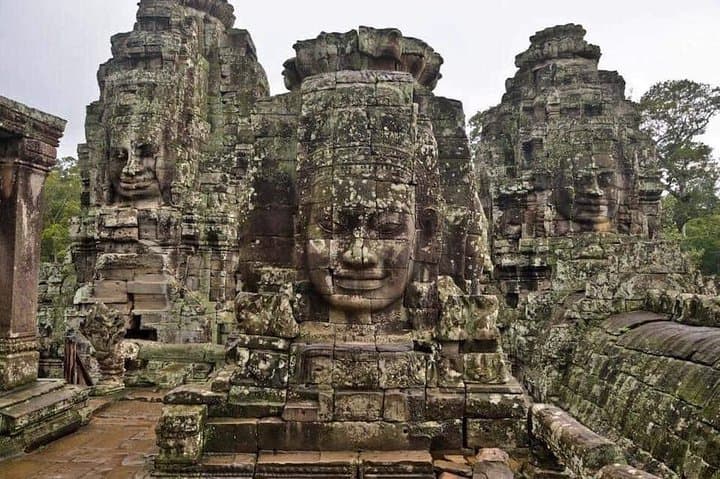
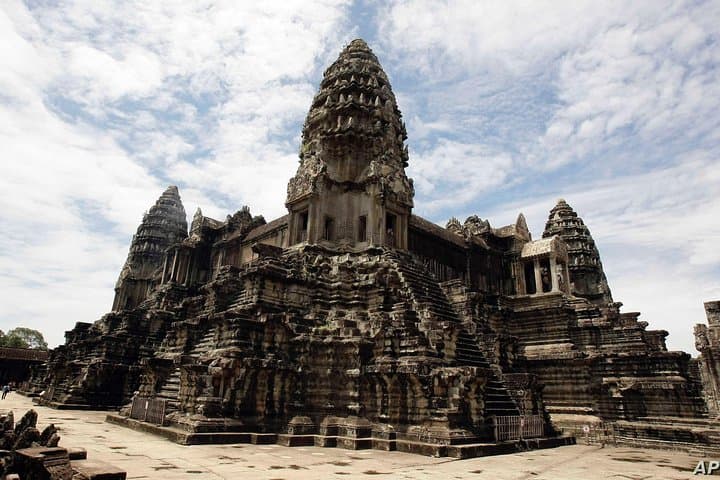
This small-circle route stitches together the high points of the Angkor archaeological park: Angkor Wat’s soaring galleries of bas-relief, Ta Prohm’s tree roots daring you to step closer, and Angkor Thom’s Bayon faces watching over the city’s central terraces. The stones here are sandstone and laterite, carved during the Khmer Empire from the 9th–13th centuries; each lintel and gallery tells a civic and ritual history shaped by rice, water management, and temple-centered polity.
Culture is present in the ritual smoke of incense and in local guides who read the reliefs like pages. Expect vendors, tuk-tuks, and a steady pulse of international visitors; quieter corners appear if you pause at the Terrace of the Elephants or the outer galleries.
Practical points: start early to avoid midday heat and the main crowds, wear sun-breathable clothing that covers shoulders and knees, bring a refillable water bottle and comfortable walking shoes for uneven causeways. A moderate pace across broad, worn steps will get you through the small circuit in a full day, leaving time for a village lunch and a late-afternoon viewpoint before returning to Siem Reap.
easy.
8–10 hours.
Suitable for travelers in average fitness; involves several hours of walking and stairs over uneven ground
Passes are purchased at the official ticket center on arrival; while some third-party sellers offer advance tickets, most travelers buy at the park entrance.
Some major temple approaches and tour vehicles are accessible, but many temple interiors have uneven steps and limited access—confirm specific needs with the operator in advance.
Lunch is typically at a local restaurant and may not be included; check the tour inclusions—this itinerary lists lunch as paid by the guest in many cases.
Photography is allowed at most sites but avoid flash in indoor sanctuaries and refrain from climbing or touching bas-reliefs; respect signs and guide directions.
The Angkor complex grew under successive Khmer kings between the 9th and 13th centuries, with Angkor Wat constructed in the 12th century by Suryavarman II as a state temple and mausoleum.
Angkor is a UNESCO World Heritage Site facing visitor-impact pressures; follow pathways, avoid touching reliefs, and support local guides and community-run businesses to help conservation efforts.
Happy Angkor Driver operates guided outdoor trips and adventures with an emphasis on safety, stewardship, and memorable experiences.
Morning light slices through the banyans as your driver eases onto the shaded road toward Angkor; the air feels warm, the stone already radiating the heat it held overnight. By 8:00 a.m. your guide leads you into the ticket office, then through queues and across causeways where elephants once moved and kings once crossed.
Morning light slices through the banyans as your driver eases onto the shaded road toward Angkor; the air feels warm, the stone already radiating the heat it held overnight. By 8:00 a.m. your guide leads you into the ticket office, then through queues and across causeways where elephants once moved and kings once crossed.
This small-circle route stitches together the high points of the Angkor archaeological park: Angkor Wat’s soaring galleries of bas-relief, Ta Prohm’s tree roots daring you to step closer, and Angkor Thom’s Bayon faces watching over the city’s central terraces. The stones here are sandstone and laterite, carved during the Khmer Empire from the 9th–13th centuries; each lintel and gallery tells a civic and ritual history shaped by rice, water management, and temple-centered polity.
Culture is present in the ritual smoke of incense and in local guides who read the reliefs like pages. Expect vendors, tuk-tuks, and a steady pulse of international visitors; quieter corners appear if you pause at the Terrace of the Elephants or the outer galleries.
Practical points: start early to avoid midday heat and the main crowds, wear sun-breathable clothing that covers shoulders and knees, bring a refillable water bottle and comfortable walking shoes for uneven causeways. A moderate pace across broad, worn steps will get you through the small circuit in a full day, leaving time for a village lunch and a late-afternoon viewpoint before returning to Siem Reap.