THE ADVENTURE COLLECTIVE® · Independent discovery and booking for outdoor travel

Ride a tuk-tuk into Siem Reap after dusk to sample night-market flavors, visit small shrines and end with an Apsara dance performance and buffet. This four-hour evening tour blends local commerce, classical dance and easy urban exploration.
Ride a tuk-tuk into Siem Reap after dusk to sample night-market flavors, visit small shrines and end with an Apsara dance performance and buffet. This four-hour evening tour blends local commerce, classical dance and easy urban exploration.
The evening opens as tuk-tuk headlights stitch a path through Siem Reap’s warm air — motor hums blending with distant temple bells and vendors calling from neon-lit stalls. Streets seem to lean in, urging you toward incense-scented shrines, a bustling night market and the steady, graceful rhythm of Apsara dancers under stage lights.
Verified experiences and guided adventures in the surrounding area.
Operated by Angkor Cycling Tour · Siem Reap, Siem Reap Province
The evening opens as tuk-tuk headlights stitch a path through Siem Reap’s warm air — motor hums blending with distant temple bells and vendors calling from neon-lit stalls. Streets seem to lean in, urging you toward incense-scented shrines, a bustling night market and the steady, graceful rhythm of Apsara dancers under stage lights.
Siem Reap sits on the edge of Tonlé Sap and the Angkor archaeological landscape; its streets carry layers of Khmer history from Angkorian temples to French colonial villas. The Apsara dance performed tonight traces its roots to classical royal courts and Angkor’s stone bas-reliefs, while markets show a living, modern Cambodia where tropical fruit and fermented fish sit beside artisan craft.
You’ll pass Preah Ang Chek & Chom shrine and Preah En Korsey pagoda — small sites with local devotion — then thread through Angkor Kyung Yu market where street food dares you to try bold flavors: skewers, pancakes, sugarcane juice. The performance venue offers a buffet and a staged Apsara show that makes the choreography audible in the hush between drumbeats.
Practical side: the tour is low-impact physically but high on sensory input — bring cash for market purchases, a light layer for cooler nights, and insect repellent for waterside spots. Expect tuk-tuk transfers, an English-speaking guide, hotel drop-off, and roughly four hours total. Arrive with an open palate and modest expectations for theater lighting; the dance is traditional, not a tourist spectacle reconstructed as historical fact. Pace yourself through the market, respect temple etiquette at shrines, and let the night guide you back to Pub Street for a final look at the city after dark.
easy.
4 hours.
Suitable for all fitness levels; primarily seated tuk-tuk transfers with short walks on flat, paved surfaces.
The experience runs about four hours, including tuk-tuk transfers, market time, dinner and the Apsara show.
Yes — the choreography reflects classical Khmer court dance traditions, though staged for modern audiences in a performance setting.
Guides typically note common allergies; inform the operator ahead of time so the venue can accommodate vegetarian or allergy needs where possible.
Yes; the itinerary is family-friendly with short walks and seated performances, but keep in mind late evening hours and spicy foods.
Apsara dance originates in Angkorian court traditions and is depicted on many temple bas-reliefs; Siem Reap developed around residencies supporting the Angkor complex and river trade.
Tourism pressures strain water and waste systems; support local guides, avoid single-use plastics and choose venues that source food locally when possible.
Angkor Cycling Tour operates guided outdoor trips and adventures with an emphasis on safety, stewardship, and memorable experiences.
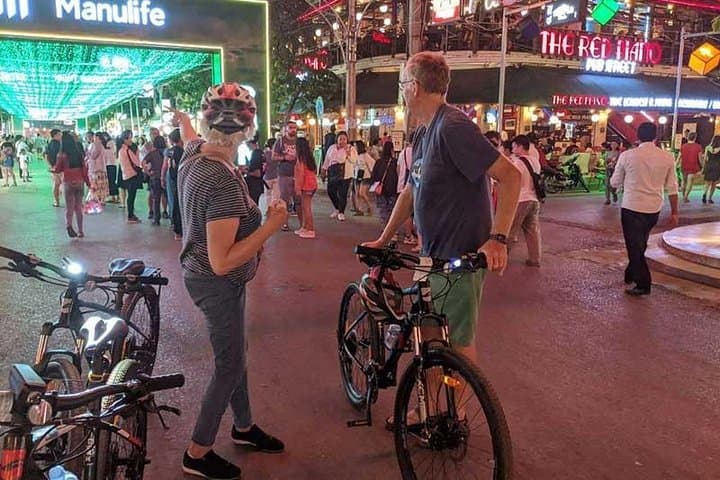


The evening opens as tuk-tuk headlights stitch a path through Siem Reap’s warm air — motor hums blending with distant temple bells and vendors calling from neon-lit stalls. Streets seem to lean in, urging you toward incense-scented shrines, a bustling night market and the steady, graceful rhythm of Apsara dancers under stage lights.
The evening opens as tuk-tuk headlights stitch a path through Siem Reap’s warm air — motor hums blending with distant temple bells and vendors calling from neon-lit stalls. Streets seem to lean in, urging you toward incense-scented shrines, a bustling night market and the steady, graceful rhythm of Apsara dancers under stage lights.
Siem Reap sits on the edge of Tonlé Sap and the Angkor archaeological landscape; its streets carry layers of Khmer history from Angkorian temples to French colonial villas. The Apsara dance performed tonight traces its roots to classical royal courts and Angkor’s stone bas-reliefs, while markets show a living, modern Cambodia where tropical fruit and fermented fish sit beside artisan craft.
You’ll pass Preah Ang Chek & Chom shrine and Preah En Korsey pagoda — small sites with local devotion — then thread through Angkor Kyung Yu market where street food dares you to try bold flavors: skewers, pancakes, sugarcane juice. The performance venue offers a buffet and a staged Apsara show that makes the choreography audible in the hush between drumbeats.
Practical side: the tour is low-impact physically but high on sensory input — bring cash for market purchases, a light layer for cooler nights, and insect repellent for waterside spots. Expect tuk-tuk transfers, an English-speaking guide, hotel drop-off, and roughly four hours total. Arrive with an open palate and modest expectations for theater lighting; the dance is traditional, not a tourist spectacle reconstructed as historical fact. Pace yourself through the market, respect temple etiquette at shrines, and let the night guide you back to Pub Street for a final look at the city after dark.