THE ADVENTURE COLLECTIVE® · Independent discovery and booking for outdoor travel

Join a tuk‑tuk market tour then roll up your sleeves at a village cooking school in Siem Reap. Learn Khmer staples, shop with a chef, and cook two to three home-style dishes in a small-group morning class.
Join a tuk‑tuk market tour then roll up your sleeves at a village cooking school in Siem Reap. Learn Khmer staples, shop with a chef, and cook two to three home-style dishes in a small-group morning class.
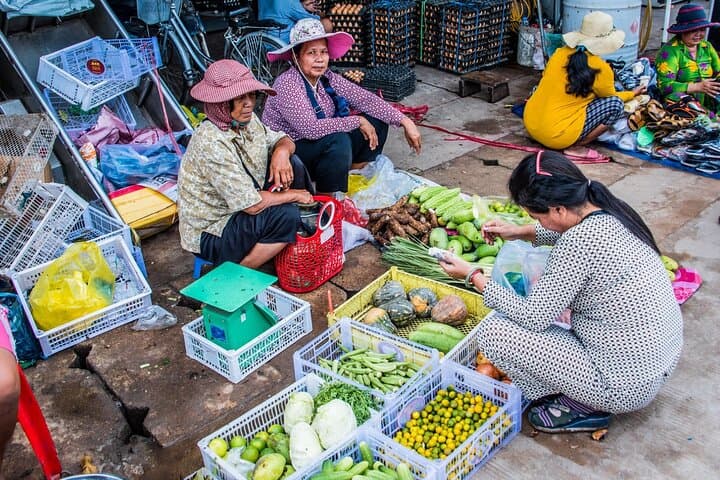
The morning opens cool and bright in Siem Reap; sunlight pools on damp pavement and vendors call across the aisles as tuk-tuks thread through the town. You step into a market shaped by rhythm — fish tanks glint, bundles of basil and galangal spill fragrant heat, and the chef gestures toward unfamiliar roots with practical patience.
Verified experiences and guided adventures in the surrounding area.
Operated by Village Cooking Class. · Siem Reap, Siem Reap Province
The morning opens cool and bright in Siem Reap; sunlight pools on damp pavement and vendors call across the aisles as tuk-tuks thread through the town. You step into a market shaped by rhythm — fish tanks glint, bundles of basil and galangal spill fragrant heat, and the chef gestures toward unfamiliar roots with practical patience.
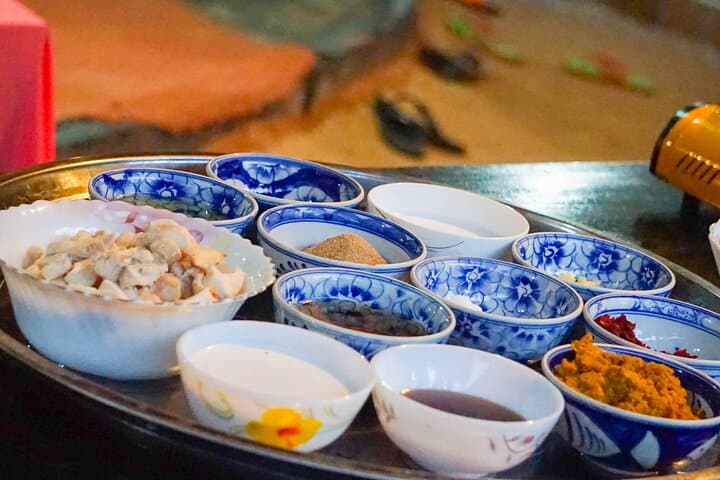
This experience pairs a guided market walk with a hands-on cooking class at a village cooking school. The market segment introduces local produce, fish, and street ingredients while your guide explains Khmer staples: fish sauce, kroeung spice pastes, and varieties of rice that have fed the Mekong basin for centuries. Cambodia’s culinary identity is modest and flavor-forward, shaped by wetland fisheries, Tonle Sap abundance, and centuries of Angkor-era trade.
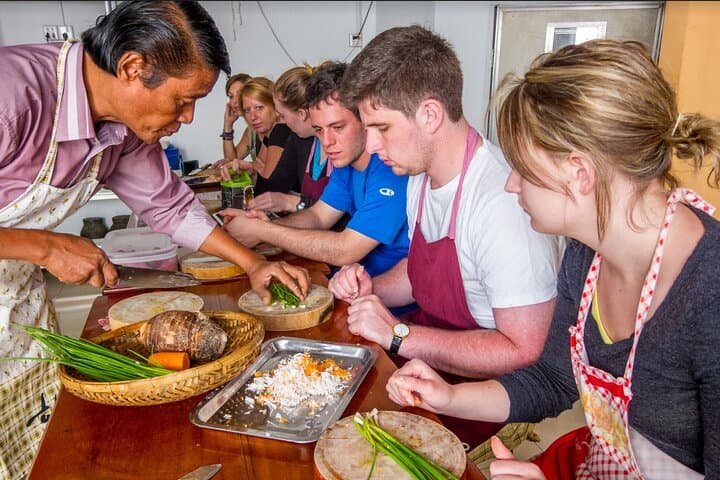
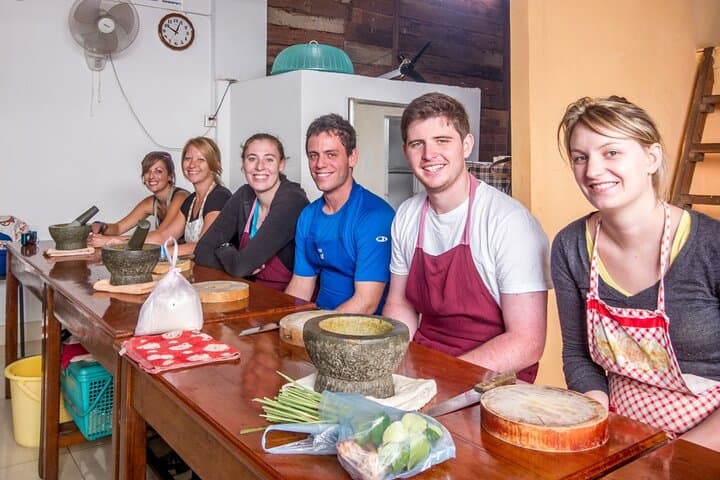
Back at the cooking school you’ll watch a demonstration, prepare two to three home-style Khmer dishes, and receive single-serving recipes to take home. Meals are eaten on-site; bottled water and hotel drop-off are included. Small group sizes (up to eight) mean hands-on time and personal attention from a local chef.
Practical notes: arrive with comfortable shoes for uneven market lanes, bring small denomination riel or dollars for market snacks, and flag dietary restrictions in advance. Morning timing avoids midday heat and gives the freshest produce. The class is low-impact physically but high on sensory detail — sights, smells, and the tactile work of pounding spices. It’s ideal for travelers who want culinary context, local interaction, and a practical introduction to Khmer home cooking.
easy.
4 hours.
Light activity only; suitable for most travelers able to stand for short cooking tasks and walk through busy markets
Expect to prepare and taste two to three home-style Khmer dishes; recipes and single-serving printouts are provided.
Yes — the tour includes private transportation pickup and drop-off for central Siem Reap hotels.
Yes — notify the operator when booking; many dishes can be adjusted, but note seafood and fish-sauce use in traditional recipes.
Absolutely — you’ll have time to walk, photograph vendors, and examine ingredients; be mindful to ask permission before photographing people.
Khmer cuisine reflects rice-farming and freshwater fisheries around the Tonle Sap and centuries of regional trade; market culture in Siem Reap remains a central part of daily life.
Support sustainable practices by buying locally produced ingredients and minimizing single-use plastics; small cooking schools often source produce from nearby farms, helping local supply chains.
Village Cooking Class. operates guided outdoor trips and adventures with an emphasis on safety, stewardship, and memorable experiences.
The morning opens cool and bright in Siem Reap; sunlight pools on damp pavement and vendors call across the aisles as tuk-tuks thread through the town. You step into a market shaped by rhythm — fish tanks glint, bundles of basil and galangal spill fragrant heat, and the chef gestures toward unfamiliar roots with practical patience.
The morning opens cool and bright in Siem Reap; sunlight pools on damp pavement and vendors call across the aisles as tuk-tuks thread through the town. You step into a market shaped by rhythm — fish tanks glint, bundles of basil and galangal spill fragrant heat, and the chef gestures toward unfamiliar roots with practical patience.
This experience pairs a guided market walk with a hands-on cooking class at a village cooking school. The market segment introduces local produce, fish, and street ingredients while your guide explains Khmer staples: fish sauce, kroeung spice pastes, and varieties of rice that have fed the Mekong basin for centuries. Cambodia’s culinary identity is modest and flavor-forward, shaped by wetland fisheries, Tonle Sap abundance, and centuries of Angkor-era trade.
Back at the cooking school you’ll watch a demonstration, prepare two to three home-style Khmer dishes, and receive single-serving recipes to take home. Meals are eaten on-site; bottled water and hotel drop-off are included. Small group sizes (up to eight) mean hands-on time and personal attention from a local chef.
Practical notes: arrive with comfortable shoes for uneven market lanes, bring small denomination riel or dollars for market snacks, and flag dietary restrictions in advance. Morning timing avoids midday heat and gives the freshest produce. The class is low-impact physically but high on sensory detail — sights, smells, and the tactile work of pounding spices. It’s ideal for travelers who want culinary context, local interaction, and a practical introduction to Khmer home cooking.