THE ADVENTURE COLLECTIVE® · Independent discovery and booking for outdoor travel

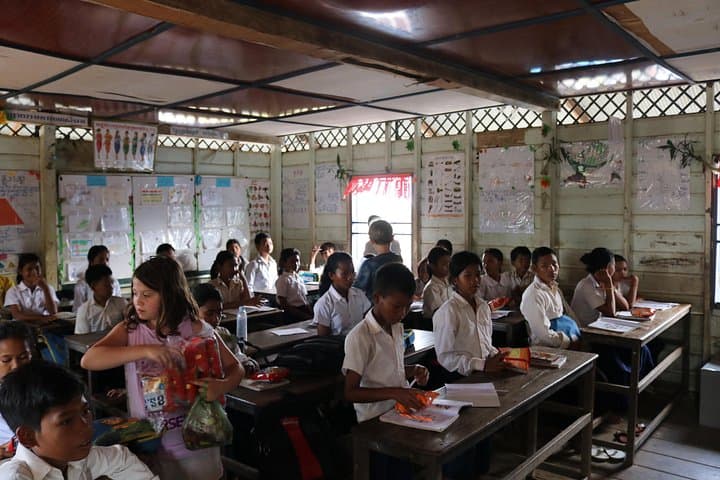
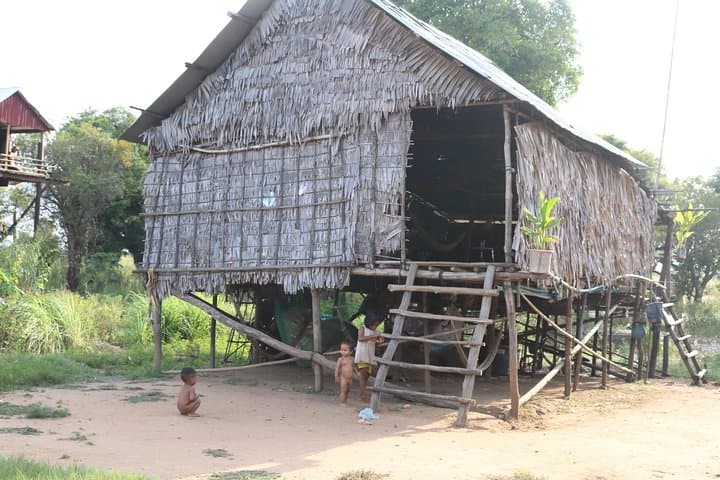
Walk through Kor Kranh village just south of Siem Reap to see rice fields, stilt houses, a local school and pagoda, and meet residents with a guide who translates. This four-hour cultural walk offers close, respectful insight into modern rural Khmer life.
Walk through Kor Kranh village just south of Siem Reap to see rice fields, stilt houses, a local school and pagoda, and meet residents with a guide who translates. This four-hour cultural walk offers close, respectful insight into modern rural Khmer life.
You step off the minivan and the city’s noise thins to a chorus of frogs and distant calls; narrow paths slice through low rice paddies and wooden stilt houses lean above damp earth. For the next four hours you follow a local guide through Kor Kranh village, ten minutes south of central Siem Reap, moving at the rhythm of daily life: children running to school, water buffalo grazing, and neighbors preparing meals over small fires.
Verified experiences and guided adventures in the surrounding area.
Operated by Siem Reap Angkor Travel and Tour · Siem Reap, Siem Reap Province
You step off the minivan and the city’s noise thins to a chorus of frogs and distant calls; narrow paths slice through low rice paddies and wooden stilt houses lean above damp earth. For the next four hours you follow a local guide through Kor Kranh village, ten minutes south of central Siem Reap, moving at the rhythm of daily life: children running to school, water buffalo grazing, and neighbors preparing meals over small fires.
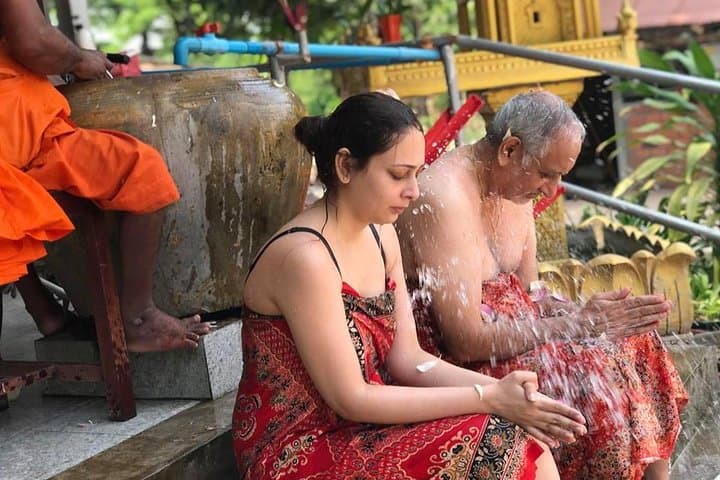
The area sits on alluvial plains shaped by the Tonle Sap’s seasonal pulse. Rice cultivation and raised wooden homes reflect centuries of Khmer adaptation to floods and dry seasons; Buddhism anchors communal rituals at the village pagoda where visitors may receive a blessing from a monk. The village landscape is simple but geologically young—soft clay soils and shallow rice terraces—so paths can get muddy in the rains.
Expect close encounters with household life: see stilt-house construction, school courtyards, and hands-on cooking demonstrations if offered. Your private guide helps translate and introduces you to hosts. Practicalities matter: dress modestly for the pagoda, carry a refillable bottle, and be prepared to climb short wooden stairways to peer into homes.
Timing is flexible—early mornings are cooler and best for photos; late afternoons bring softer light and return activity. The experience is low-impact: stay on paths, ask before photographing people, and bring small local currency for simple purchases. This walk is a compact, human-scale encounter with contemporary rural Cambodia—unhurried, direct, and grounded in everyday work and faith.
easy.
4 hours.
Light fitness required—suitable for most people who can walk on flat, sometimes uneven paths for up to four hours with breaks.
The tour runs about four hours and covers short village paths and rice-field tracks rather than long hikes—expect intermittent walking with rest stops.
Transportation is wheelchair accessible and the tour can accommodate mobility needs, but many traditional stilt houses require climbing steps to view interiors.
Typical inclusions are hotel pickup/drop-off, a professional guide, a snack, cold water and towels, and a blessing from a monk if arranged.
Tipping is discretionary but appreciated; small cash gifts for the guide and modest purchases from families help support the local economy.
Kor Kranh reflects centuries of Khmer rice-farming culture and lives shaped by the Tonle Sap’s seasonal floodplain and Buddhist community practices.
Stay on established paths, avoid single-use plastics, and support villagers directly to minimize tourist impact and help sustain local livelihoods.
Siem Reap Angkor Travel and Tour operates guided outdoor trips and adventures with an emphasis on safety, stewardship, and memorable experiences.
You step off the minivan and the city’s noise thins to a chorus of frogs and distant calls; narrow paths slice through low rice paddies and wooden stilt houses lean above damp earth. For the next four hours you follow a local guide through Kor Kranh village, ten minutes south of central Siem Reap, moving at the rhythm of daily life: children running to school, water buffalo grazing, and neighbors preparing meals over small fires.
You step off the minivan and the city’s noise thins to a chorus of frogs and distant calls; narrow paths slice through low rice paddies and wooden stilt houses lean above damp earth. For the next four hours you follow a local guide through Kor Kranh village, ten minutes south of central Siem Reap, moving at the rhythm of daily life: children running to school, water buffalo grazing, and neighbors preparing meals over small fires.
The area sits on alluvial plains shaped by the Tonle Sap’s seasonal pulse. Rice cultivation and raised wooden homes reflect centuries of Khmer adaptation to floods and dry seasons; Buddhism anchors communal rituals at the village pagoda where visitors may receive a blessing from a monk. The village landscape is simple but geologically young—soft clay soils and shallow rice terraces—so paths can get muddy in the rains.
Expect close encounters with household life: see stilt-house construction, school courtyards, and hands-on cooking demonstrations if offered. Your private guide helps translate and introduces you to hosts. Practicalities matter: dress modestly for the pagoda, carry a refillable bottle, and be prepared to climb short wooden stairways to peer into homes.
Timing is flexible—early mornings are cooler and best for photos; late afternoons bring softer light and return activity. The experience is low-impact: stay on paths, ask before photographing people, and bring small local currency for simple purchases. This walk is a compact, human-scale encounter with contemporary rural Cambodia—unhurried, direct, and grounded in everyday work and faith.