THE ADVENTURE COLLECTIVE® · Independent discovery and booking for outdoor travel

Reset between temple runs with a 65‑minute four‑hand massage in Siem Reap—coordinated pressure, aromatherapy, and private pickup make this an efficient, restorative stop. Read practical tips on timing, health screenings, and what to expect.
Reset between temple runs with a 65‑minute four‑hand massage in Siem Reap—coordinated pressure, aromatherapy, and private pickup make this an efficient, restorative stop. Read practical tips on timing, health screenings, and what to expect.
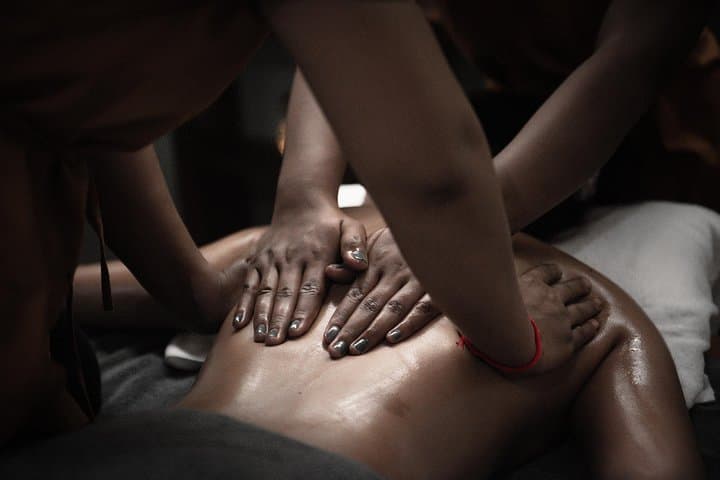
You step out of a tuk‑tuk and into a cool room lit by soft lamps; the humid bustle of Siem Reap slims to a distant hum. Two therapists work in synchrony — palms, knuckles and flowing oil moving across shoulders and low back — delivering Karona Spa’s four‑hand ritual. The effect is deliberate: coordinated pressure that releases tension in waves while aromatherapy—lemongrass, kaffir lime or jasmine—grounds the senses.
Verified experiences and guided adventures in the surrounding area.
Operated by Karona Spa · Siem Reap, Siem Reap Province
You step out of a tuk‑tuk and into a cool room lit by soft lamps; the humid bustle of Siem Reap slims to a distant hum. Two therapists work in synchrony — palms, knuckles and flowing oil moving across shoulders and low back — delivering Karona Spa’s four‑hand ritual. The effect is deliberate: coordinated pressure that releases tension in waves while aromatherapy—lemongrass, kaffir lime or jasmine—grounds the senses.
Khmer massage draws on techniques circulated across Southeast Asia and Ayurvedic practice, refined locally in villages and temple infirmaries. Siem Reap sits on flat alluvial plains near the Tonlé Sap; its long relationship with water and rice cultivation shaped herbal remedies used in contemporary spa oils and compresses. Visiting a spa here is as much cultural exchange as physical care.
Practicalities are straightforward: the private, 60‑minute treatment includes pickup or drop‑off, a brief health check, and post‑treatment water. It’s not recommended for pregnancy, recent spinal injuries or serious heart conditions—staff will screen you. Arrive 10 minutes early, avoid heavy meals beforehand, and plan the massage after a morning of temple cycling or before an evening at the night market to carry the calm into the rest of your day.
Bring local currency for tips, confirm your pickup point in advance, and communicate pressure preferences clearly—therapists adapt in real time. For travelers weaving Angkor visits with rest, a coordinated four‑hand massage offers fast, tangible recovery and a distinctly Khmer approach to touch and relaxation.
easy.
60–75 minutes (including pickup/briefing).
No particular fitness required; suitable for most adults in general health
Yes—this experience includes free pickup or drop‑off; confirm your pickup point when you book.
No—this particular four‑hand treatment is not recommended for pregnant travelers; notify staff when booking.
The treatment is a 60‑minute massage; allow about 10–15 extra minutes for intake and wrapping up.
Most spa staff speak basic English for intake and pressure preferences; detailed medical conversations may require simple phrasing or a translator.
Khmer massage techniques draw from centuries of regional healing practices and temple medicine; Siem Reap’s proximity to Angkor has kept herbal and manual therapies in cultural circulation.
Choose spas that source local botanicals responsibly and minimize plastic use; supporting local therapists and sustainable suppliers reduces tourism’s footprint.
Karona Spa operates guided outdoor trips and adventures with an emphasis on safety, stewardship, and memorable experiences.
You step out of a tuk‑tuk and into a cool room lit by soft lamps; the humid bustle of Siem Reap slims to a distant hum. Two therapists work in synchrony — palms, knuckles and flowing oil moving across shoulders and low back — delivering Karona Spa’s four‑hand ritual. The effect is deliberate: coordinated pressure that releases tension in waves while aromatherapy—lemongrass, kaffir lime or jasmine—grounds the senses.
You step out of a tuk‑tuk and into a cool room lit by soft lamps; the humid bustle of Siem Reap slims to a distant hum. Two therapists work in synchrony — palms, knuckles and flowing oil moving across shoulders and low back — delivering Karona Spa’s four‑hand ritual. The effect is deliberate: coordinated pressure that releases tension in waves while aromatherapy—lemongrass, kaffir lime or jasmine—grounds the senses.
Khmer massage draws on techniques circulated across Southeast Asia and Ayurvedic practice, refined locally in villages and temple infirmaries. Siem Reap sits on flat alluvial plains near the Tonlé Sap; its long relationship with water and rice cultivation shaped herbal remedies used in contemporary spa oils and compresses. Visiting a spa here is as much cultural exchange as physical care.
Practicalities are straightforward: the private, 60‑minute treatment includes pickup or drop‑off, a brief health check, and post‑treatment water. It’s not recommended for pregnancy, recent spinal injuries or serious heart conditions—staff will screen you. Arrive 10 minutes early, avoid heavy meals beforehand, and plan the massage after a morning of temple cycling or before an evening at the night market to carry the calm into the rest of your day.
Bring local currency for tips, confirm your pickup point in advance, and communicate pressure preferences clearly—therapists adapt in real time. For travelers weaving Angkor visits with rest, a coordinated four‑hand massage offers fast, tangible recovery and a distinctly Khmer approach to touch and relaxation.