THE ADVENTURE COLLECTIVE® · Independent discovery and booking for outdoor travel

Explore Siem Reap beyond Angkor on a private half‑day that pairs sobering history at the War Museum with the bustle of markets and a hands‑on look at traditional Khmer crafts at Artisans D'Angkor. Expect compact walking segments, local stories, and practical tips for shopping and photography.
Explore Siem Reap beyond Angkor on a private half‑day that pairs sobering history at the War Museum with the bustle of markets and a hands‑on look at traditional Khmer crafts at Artisans D'Angkor. Expect compact walking segments, local stories, and practical tips for shopping and photography.
You step from a tuk‑tuk into a heat-washed street where temple stone keeps company with motorbikes and market calls. The morning air carries the scent of grilled skewers and incense as your guide leads you toward the War Museum — a blunt, necessary pause that frames modern Cambodia against the deeper backdrop of Angkor and the Tonlé Sap floodplain that shaped its settlements.
Verified experiences and guided adventures in the surrounding area.
Operated by Green Cultural Travel · Siem Reap, Siem Reap Province
You step from a tuk‑tuk into a heat-washed street where temple stone keeps company with motorbikes and market calls. The morning air carries the scent of grilled skewers and incense as your guide leads you toward the War Museum — a blunt, necessary pause that frames modern Cambodia against the deeper backdrop of Angkor and the Tonlé Sap floodplain that shaped its settlements.
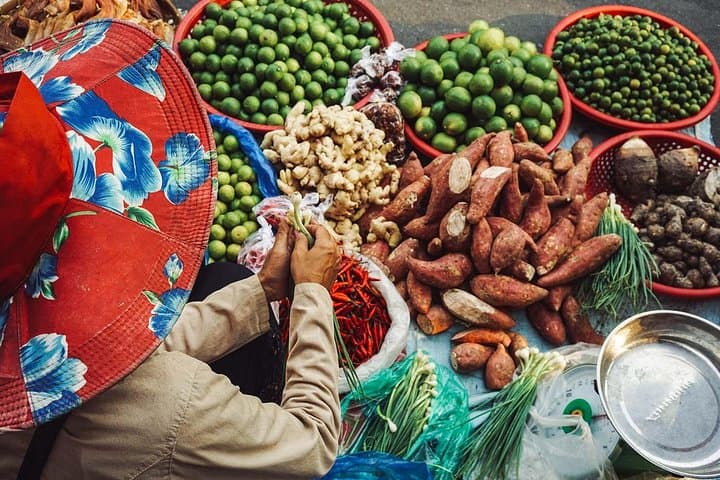
The city itself is a collage of layers: French colonial facades, Khmer temples hidden behind narrow lanes, and thriving markets that pulse with bargaining and color. Geologically the region rests on alluvial plains deposited by the Mekong and Tonlé Sap; the flatness gives way to wide skies and long rainy seasons that feed the rivers and markets alike.
You’ll learn how the Khmer Rouge years redirected the city’s growth and why organizations like Artisans D'Angkor (founded 1999) matter — reviving crafts such as silk weaving, wood carving and lacquer while providing village employment.
Practical guidance: this private, four‑hour tour mixes short walks and vehicle transfers. Expect paved streets, occasional uneven alleys, and busy market crowds. Bring comfortable walking shoes, sun protection and a light layer for air‑conditioned stops. Photography is welcome at markets and workshops but ask before photographing people. Hotel pickup is commonly included; clarify pickup point when booking.
Plan to arrive hydrated, with small bills for purchases and tips. The pace is flexible, ideal for travelers who want cultural context without the full‑day temple marathon.
moderate.
4 hours.
Moderate — must be comfortable walking 1–3 miles with brief standing periods in markets and exhibits
Yes — the tour lists hotel pickup; confirm your pickup point and time when booking.
Children are allowed; the operator notes a child rate applies only when sharing with paying adults — confirm ages and pricing at booking.
Yes — the workshop and showroom sell locally made crafts; prices reflect craft quality and support artisan programs.
Expect short walks between stops and market browsing; the route is primarily on paved streets with occasional uneven surfaces.
Siem Reap’s fortunes rose with Angkor and fell through 20th‑century conflict; modern recovery blends Khmer cultural revival with community art programs like Artisans D'Angkor.
Support responsible purchases at certified artisan outlets, avoid single‑use plastics while touring, and follow local guidance to minimize impact in busy market and temple areas.
Green Cultural Travel operates guided outdoor trips and adventures with an emphasis on safety, stewardship, and memorable experiences.
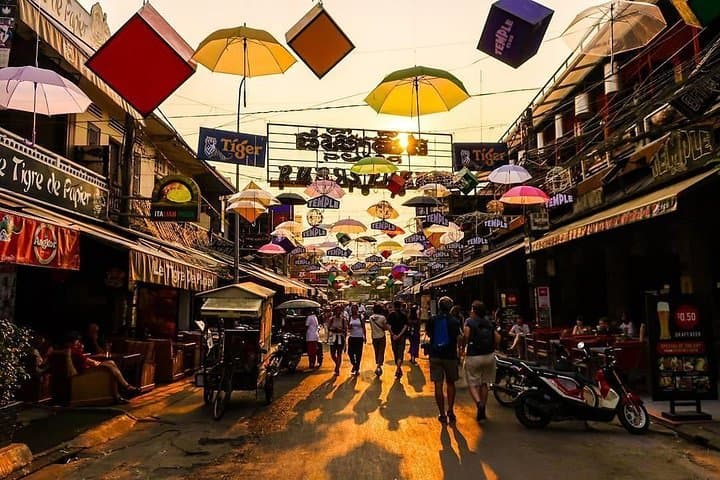
You step from a tuk‑tuk into a heat-washed street where temple stone keeps company with motorbikes and market calls. The morning air carries the scent of grilled skewers and incense as your guide leads you toward the War Museum — a blunt, necessary pause that frames modern Cambodia against the deeper backdrop of Angkor and the Tonlé Sap floodplain that shaped its settlements.
You step from a tuk‑tuk into a heat-washed street where temple stone keeps company with motorbikes and market calls. The morning air carries the scent of grilled skewers and incense as your guide leads you toward the War Museum — a blunt, necessary pause that frames modern Cambodia against the deeper backdrop of Angkor and the Tonlé Sap floodplain that shaped its settlements.
The city itself is a collage of layers: French colonial facades, Khmer temples hidden behind narrow lanes, and thriving markets that pulse with bargaining and color. Geologically the region rests on alluvial plains deposited by the Mekong and Tonlé Sap; the flatness gives way to wide skies and long rainy seasons that feed the rivers and markets alike.
You’ll learn how the Khmer Rouge years redirected the city’s growth and why organizations like Artisans D'Angkor (founded 1999) matter — reviving crafts such as silk weaving, wood carving and lacquer while providing village employment.
Practical guidance: this private, four‑hour tour mixes short walks and vehicle transfers. Expect paved streets, occasional uneven alleys, and busy market crowds. Bring comfortable walking shoes, sun protection and a light layer for air‑conditioned stops. Photography is welcome at markets and workshops but ask before photographing people. Hotel pickup is commonly included; clarify pickup point when booking.
Plan to arrive hydrated, with small bills for purchases and tips. The pace is flexible, ideal for travelers who want cultural context without the full‑day temple marathon.