THE ADVENTURE COLLECTIVE® · Independent discovery and booking for outdoor travel

Explore Psar Chaa and the lesser-known Street 60 on a three-hour guided evening that introduces Khmer staples, market culture, and adventurous street bites. Perfect for first-night orientation, the tour teaches you how to order and enjoy authentic Cambodian dishes with confidence.
Explore Psar Chaa and the lesser-known Street 60 on a three-hour guided evening that introduces Khmer staples, market culture, and adventurous street bites. Perfect for first-night orientation, the tour teaches you how to order and enjoy authentic Cambodian dishes with confidence.
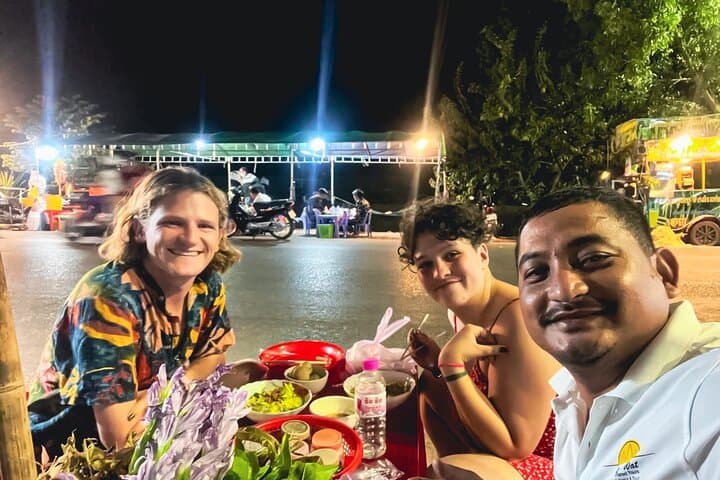
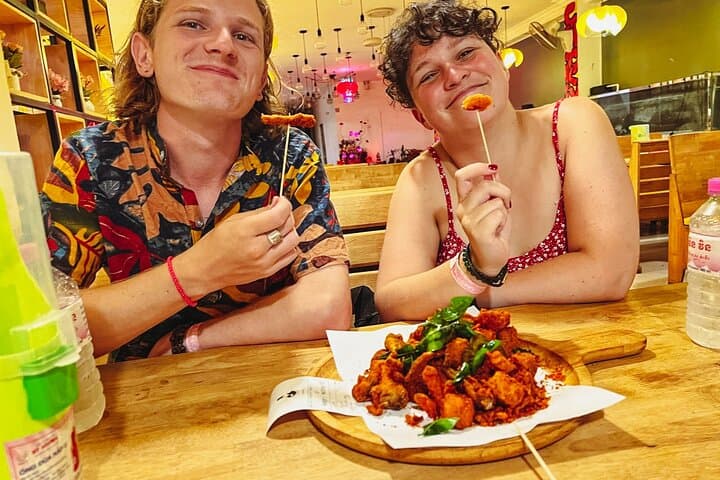
The evening opens under fluorescent stalls and the low-slung roofs of Psar Chaa, where the air tastes of grilled fish and sweet coconut. Guides lead small groups through a working market, fingers pointing at sacks of prahok and rows of freshwater fish from Tonle Sap while vendors call like old friends. The tour slips later to Street 60, away from the Angkor crowds, where roadside grills hiss and deep-fried insects dare the curious.
Verified experiences and guided adventures in the surrounding area.
Operated by Angkor Wat Shared Tours · Siem Reap, Siem Reap Province
The evening opens under fluorescent stalls and the low-slung roofs of Psar Chaa, where the air tastes of grilled fish and sweet coconut. Guides lead small groups through a working market, fingers pointing at sacks of prahok and rows of freshwater fish from Tonle Sap while vendors call like old friends. The tour slips later to Street 60, away from the Angkor crowds, where roadside grills hiss and deep-fried insects dare the curious.
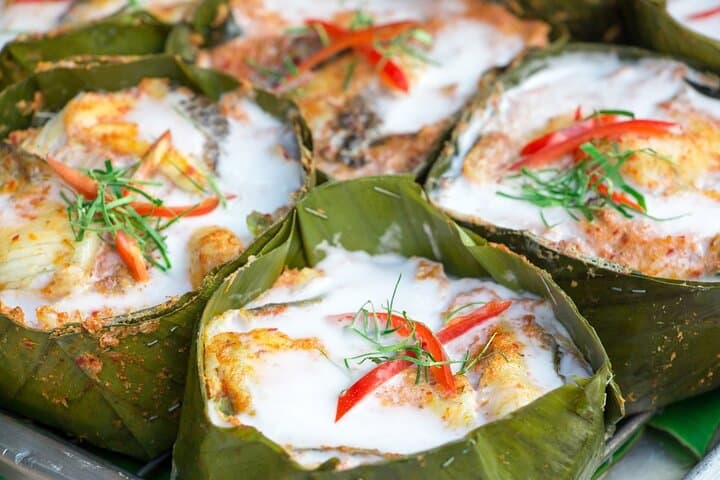
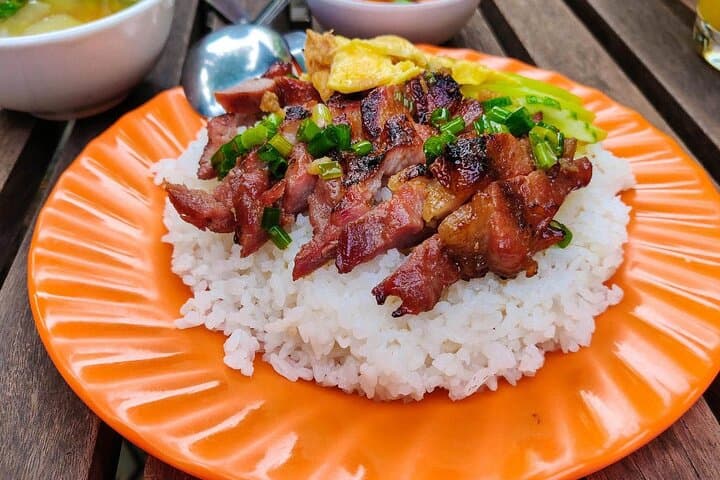
Khmer cuisine reflects the Tonle Sap’s rhythms and Cambodia’s agricultural plain: freshwater fish, palm sugar, rice, and liberal use of lime and herbs rather than chili heat. The evening’s route exposes guests to market staples and regional specialties — ban chav (savoury crepes), country-style curries, and barbecue that speaks to Khmer communal dining. Siem Reap’s food culture is practical and social; eating is often a conversation with vendors and cooks as much as it is a meal.
Expect a mix of sensory learning and practical orientation. Guides will explain ingredients, point out how to read simple Khmer menu cues, and recommend how to order confidently at local eateries. The itinerary moves on foot and by short tuk‑tuk rides; wear comfortable shoes and be ready for busy, humid streets after dark.
Practical tips: carry small bills, keep water handy, and pace spicy or unfamiliar items. The tour suits anyone curious about authentic flavors rather than upscale dining; it’s a compact, three-hour primer that arms travelers with knowledge to explore Cambodian food on their own.
easy.
3 hours.
Suitable for all fitness levels; involves short walks and brief tuk‑tuk transfers, standing at stalls and some street walking.
Khmer cuisine is generally milder than some neighbors; however, some dishes use chilies—guides will point out spice levels and you can request milder versions.
Guides choose reputable vendors with high turnover; eat cooked items, avoid raw salads if you have a sensitive stomach, and stick to bottled water.
Yes — notify at booking and guides will steer you to vegetarian options or ingredients to avoid, though options at street stalls may be limited.
Most tours begin at Psar Chaa (Old Market) and end near Street 60 or a nearby meeting point; exact pickup details are provided at booking.
Siem Reap developed as the gateway to Angkor; its markets evolved to supply both temple towns and modern urban life, blending Khmer culinary practices with ingredients from Tonle Sap.
Tonle Sap’s fisheries are central to local diets; support vendors using sustainably sourced fish and avoid species under local protection to reduce pressure on wild stocks.
Angkor Wat Shared Tours operates guided outdoor trips and adventures with an emphasis on safety, stewardship, and memorable experiences.
The evening opens under fluorescent stalls and the low-slung roofs of Psar Chaa, where the air tastes of grilled fish and sweet coconut. Guides lead small groups through a working market, fingers pointing at sacks of prahok and rows of freshwater fish from Tonle Sap while vendors call like old friends. The tour slips later to Street 60, away from the Angkor crowds, where roadside grills hiss and deep-fried insects dare the curious.
The evening opens under fluorescent stalls and the low-slung roofs of Psar Chaa, where the air tastes of grilled fish and sweet coconut. Guides lead small groups through a working market, fingers pointing at sacks of prahok and rows of freshwater fish from Tonle Sap while vendors call like old friends. The tour slips later to Street 60, away from the Angkor crowds, where roadside grills hiss and deep-fried insects dare the curious.
Khmer cuisine reflects the Tonle Sap’s rhythms and Cambodia’s agricultural plain: freshwater fish, palm sugar, rice, and liberal use of lime and herbs rather than chili heat. The evening’s route exposes guests to market staples and regional specialties — ban chav (savoury crepes), country-style curries, and barbecue that speaks to Khmer communal dining. Siem Reap’s food culture is practical and social; eating is often a conversation with vendors and cooks as much as it is a meal.
Expect a mix of sensory learning and practical orientation. Guides will explain ingredients, point out how to read simple Khmer menu cues, and recommend how to order confidently at local eateries. The itinerary moves on foot and by short tuk‑tuk rides; wear comfortable shoes and be ready for busy, humid streets after dark.
Practical tips: carry small bills, keep water handy, and pace spicy or unfamiliar items. The tour suits anyone curious about authentic flavors rather than upscale dining; it’s a compact, three-hour primer that arms travelers with knowledge to explore Cambodian food on their own.