THE ADVENTURE COLLECTIVE® · Independent discovery and booking for outdoor travel

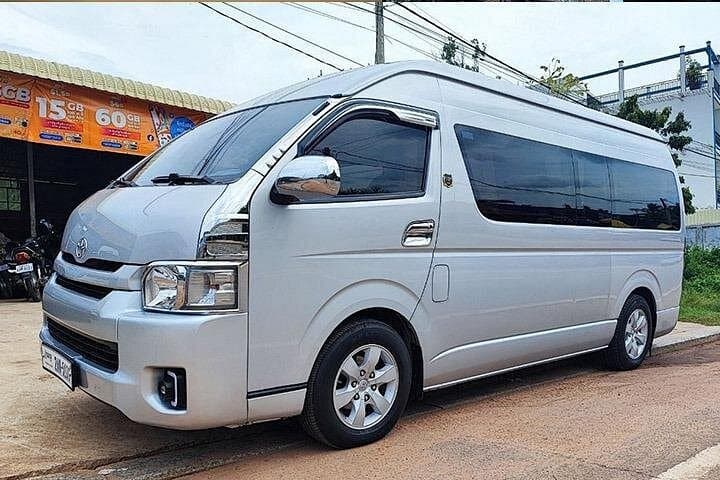
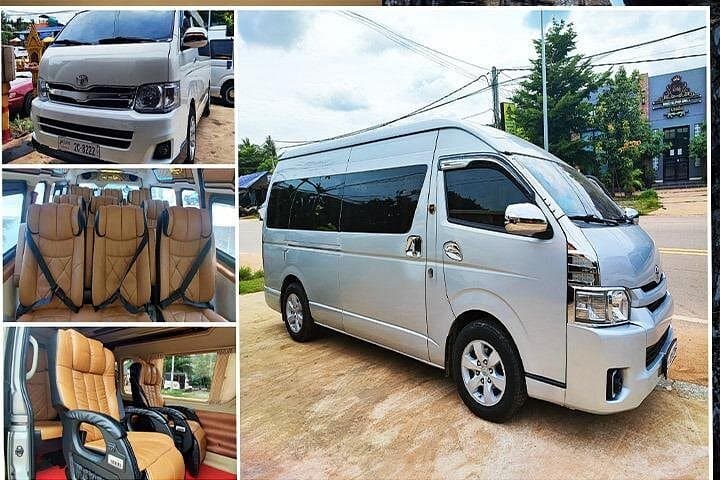
Skip the taxi lines and start your Siem Reap visit without friction: a private, air‑conditioned transfer meets you at Siem Reap Angkor International Airport and takes you straight to your hotel in 45–60 minutes. Expect a driver with a name sign, bottled water, and accessible service.
Skip the taxi lines and start your Siem Reap visit without friction: a private, air‑conditioned transfer meets you at Siem Reap Angkor International Airport and takes you straight to your hotel in 45–60 minutes. Expect a driver with a name sign, bottled water, and accessible service.
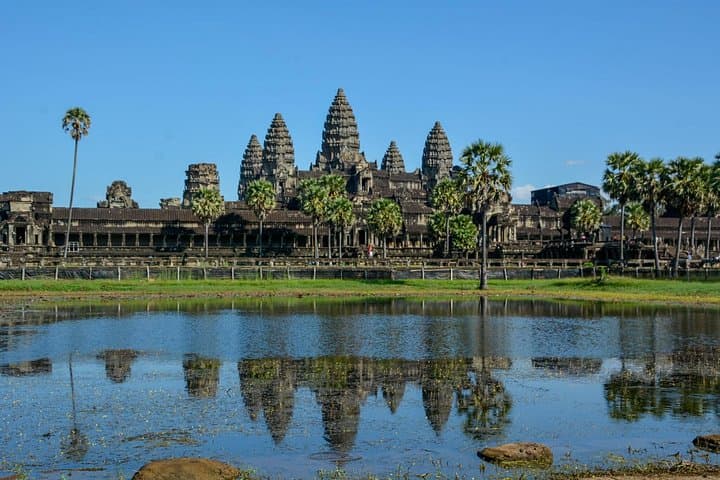
You step through the arrival gate into a humid wash of air and movement — the airport’s glass doors part and a driver is waiting, name on a placard, air‑conditioned vehicle idling nearby. Rice paddies and low concrete houses slide past as you leave the airport; the horizon holds the distant silhouette of Angkor’s temple towers, a reminder that this short road connects you quickly to centuries of history.
Verified experiences and guided adventures in the surrounding area.
Operated by Ta Prohm Temple Tour · Siem Reap, Siem Reap Province
You step through the arrival gate into a humid wash of air and movement — the airport’s glass doors part and a driver is waiting, name on a placard, air‑conditioned vehicle idling nearby. Rice paddies and low concrete houses slide past as you leave the airport; the horizon holds the distant silhouette of Angkor’s temple towers, a reminder that this short road connects you quickly to centuries of history.
Siem Reap sits at the edge of the Tonlé Sap basin and grew as the modern gateway to the Angkorian ruins built by the Khmer Empire. The region’s flat alluvial plains and seasonal flooding shaped settlement patterns and agriculture; you’ll notice raised roads, irrigation ditches and buffalo in fields as you pass. Local culture is quietly present — shrines at crossroads, shaved monks on morning rounds and small markets selling fried banana and coffee.
Practically: the private transfer from Siem Reap Angkor International Airport to Siem Reap City takes about 45–60 minutes depending on traffic and your hotel’s location. The service typically includes a driver who meets you at Gate 1 with a name sign, bottled water and a cold towel, and private, air‑conditioned transport directly to your door. It’s wheelchair and stroller accessible and accommodates infant seats on request.
Tips for a smooth start: confirm flight details in advance, have local currency for tips or small purchases, and factor in check‑in times if you plan temple visits the same afternoon. For conservation, use licensed transfers to reduce unregulated traffic and avoid single‑use plastics when possible. This brief road eases you into Cambodia: practical, straightforward, and tuned to the rhythms of the city beyond the airport.
easy.
45–60 minutes.
No physical fitness required; suitable for travelers of all activity levels
Drivers typically meet passengers at Gate 1 of Siem Reap Angkor International Airport holding a sign with your name; confirm the exact exit in your booking details.
The journey usually takes 45–60 minutes depending on traffic and the hotel’s location within Siem Reap.
Yes — this transfer service lists wheelchair and stroller accessibility and offers transportation options to accommodate mobility needs when requested.
Specialized infant seats are available; indicate this at booking so the driver can provide one.
Siem Reap is the modern service town for the Angkor archaeological park, which grew from the Khmer Empire (9th–15th centuries) and relies on the seasonal Tonlé Sap for agricultural productivity.
Tourism pressure around Angkor has prompted regulations on visitor numbers and vehicle access; choose licensed transfers to support regulated transport and reduce informal traffic.
Ta Prohm Temple Tour operates guided outdoor trips and adventures with an emphasis on safety, stewardship, and memorable experiences.
You step through the arrival gate into a humid wash of air and movement — the airport’s glass doors part and a driver is waiting, name on a placard, air‑conditioned vehicle idling nearby. Rice paddies and low concrete houses slide past as you leave the airport; the horizon holds the distant silhouette of Angkor’s temple towers, a reminder that this short road connects you quickly to centuries of history.
You step through the arrival gate into a humid wash of air and movement — the airport’s glass doors part and a driver is waiting, name on a placard, air‑conditioned vehicle idling nearby. Rice paddies and low concrete houses slide past as you leave the airport; the horizon holds the distant silhouette of Angkor’s temple towers, a reminder that this short road connects you quickly to centuries of history.
Siem Reap sits at the edge of the Tonlé Sap basin and grew as the modern gateway to the Angkorian ruins built by the Khmer Empire. The region’s flat alluvial plains and seasonal flooding shaped settlement patterns and agriculture; you’ll notice raised roads, irrigation ditches and buffalo in fields as you pass. Local culture is quietly present — shrines at crossroads, shaved monks on morning rounds and small markets selling fried banana and coffee.
Practically: the private transfer from Siem Reap Angkor International Airport to Siem Reap City takes about 45–60 minutes depending on traffic and your hotel’s location. The service typically includes a driver who meets you at Gate 1 with a name sign, bottled water and a cold towel, and private, air‑conditioned transport directly to your door. It’s wheelchair and stroller accessible and accommodates infant seats on request.
Tips for a smooth start: confirm flight details in advance, have local currency for tips or small purchases, and factor in check‑in times if you plan temple visits the same afternoon. For conservation, use licensed transfers to reduce unregulated traffic and avoid single‑use plastics when possible. This brief road eases you into Cambodia: practical, straightforward, and tuned to the rhythms of the city beyond the airport.