THE ADVENTURE COLLECTIVE® · Independent discovery and booking for outdoor travel

Explore Sarajevo’s wartime landmarks on a four-hour guided tour that pairs survivor testimony with visits to the Tunnel of Hope, Trebević’s Olympic remnants and key urban sites from the 1992–1995 siege. Learn contextual history while seeing panoramic city views and quiet memorials.
Explore Sarajevo’s wartime landmarks on a four-hour guided tour that pairs survivor testimony with visits to the Tunnel of Hope, Trebević’s Olympic remnants and key urban sites from the 1992–1995 siege. Learn contextual history while seeing panoramic city views and quiet memorials.
You step from an air-conditioned minivan onto a street that still carries the echo of gunfire and radio broadcasts — Sarajevo’s valley presses in from the surrounding Dinaric foothills, the Miljacka River threading the city and daring you to listen closely.
Verified experiences and guided adventures in the surrounding area.
Operated by Explore Sarajevo · Sarajevo, Sarajevo Canton
You step from an air-conditioned minivan onto a street that still carries the echo of gunfire and radio broadcasts — Sarajevo’s valley presses in from the surrounding Dinaric foothills, the Miljacka River threading the city and daring you to listen closely.
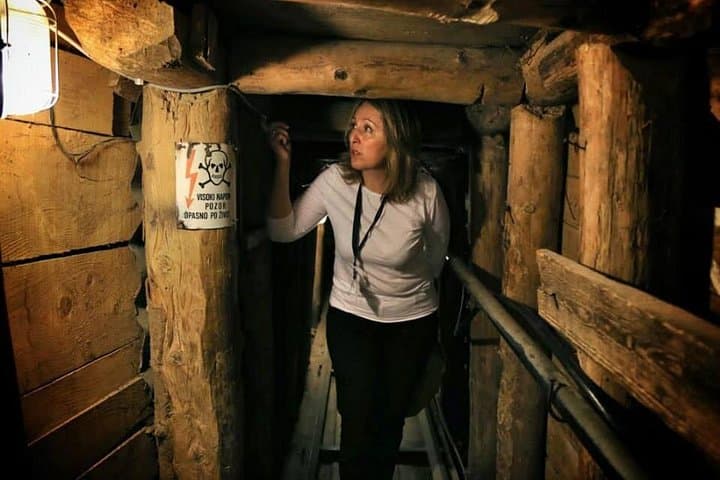
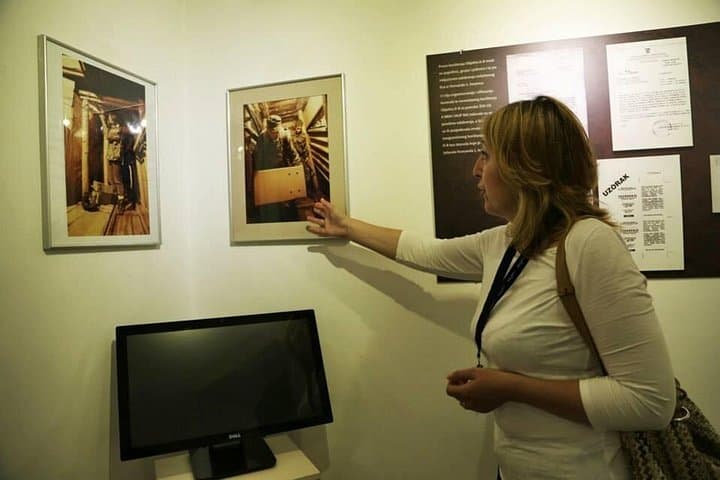
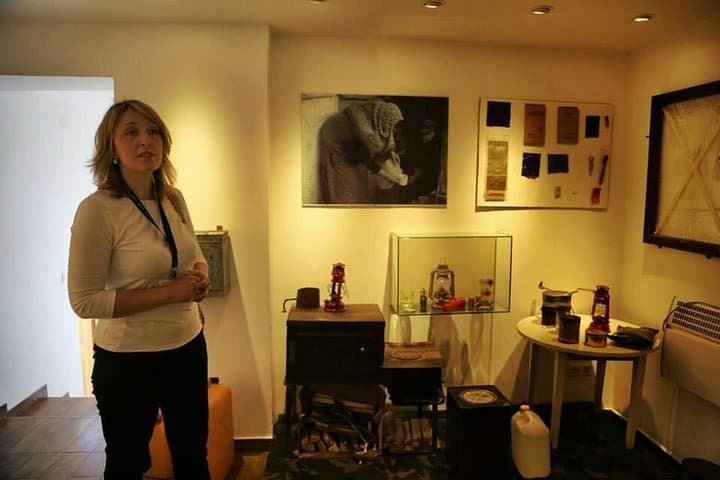
This four-hour guided route moves from the rebuilt City Hall and the market at Markale to sites like the Yellow Fortress, the Kovači cemetery and the Olympic slopes on Trebević. The itinerary culminates at the Tunnel of Hope museum, where a short film and a walk through the preserved entrance convey how residents tunneled around a siege to move people and supplies. The tour is anchored in lived memory: local guides share survivor accounts, wartime wedding stories and the international context of Yugoslavia’s breakup between 1992–1995.
Geology and urban form matter here — Sarajevo sits in a narrow basin hemmed by steep karst ridges that were used as artillery positions during the conflict, while Austro-Hungarian boulevards and Ottoman bazaars reveal the city’s layered culture.
Practical guidance: the tour is mostly short walks and vehicle transfers, suitable for most fitness levels; comfortable shoes and a lightweight jacket are recommended. Bring water (bottled water is provided), a camera, small notes of respect when visiting cemeteries and memorials, and prepare emotionally — guides often pause for reflection at sensitive sites.
Timing your visit for morning light on Trebević gives the best panoramic photography; afternoons can be heavier with tour traffic. This is a historical, not a recreational, outing — expect storytelling, urban vistas and close-up encounters with the scars and resilience that shape modern Sarajevo.
easy.
4 hours.
Suitable for most fitness levels; involves short walks and some steps at memorials and viewpoints.
Yes — the tour is family-friendly in terms of pace, but some content is emotionally intense; parents should judge suitability for younger children.
You will visit the Tunnel of Hope museum grounds and see a preserved entrance and a short exhibit; the guided experience includes a video and a walk-through of the accessible museum section.
Yes — pickup and travel in an air-conditioned vehicle are included for the guided route between sites.
Many viewpoints and the vehicle transfer are accessible, but some locations (cemetery steps, bobsleigh track area) involve uneven terrain; check with the operator for specific accessibility accommodations.
Sarajevo endured the longest siege in modern history from 1992–1995; the Tunnel of Hope was built to bypass blockades and sustain the besieged population.
Many sites are preserved through small museums and community projects; visitors can respect conservation efforts by staying on paths and avoiding removal of artifacts.
Explore Sarajevo operates guided outdoor trips and adventures with an emphasis on safety, stewardship, and memorable experiences.
You step from an air-conditioned minivan onto a street that still carries the echo of gunfire and radio broadcasts — Sarajevo’s valley presses in from the surrounding Dinaric foothills, the Miljacka River threading the city and daring you to listen closely.
You step from an air-conditioned minivan onto a street that still carries the echo of gunfire and radio broadcasts — Sarajevo’s valley presses in from the surrounding Dinaric foothills, the Miljacka River threading the city and daring you to listen closely.
This four-hour guided route moves from the rebuilt City Hall and the market at Markale to sites like the Yellow Fortress, the Kovači cemetery and the Olympic slopes on Trebević. The itinerary culminates at the Tunnel of Hope museum, where a short film and a walk through the preserved entrance convey how residents tunneled around a siege to move people and supplies. The tour is anchored in lived memory: local guides share survivor accounts, wartime wedding stories and the international context of Yugoslavia’s breakup between 1992–1995.
Geology and urban form matter here — Sarajevo sits in a narrow basin hemmed by steep karst ridges that were used as artillery positions during the conflict, while Austro-Hungarian boulevards and Ottoman bazaars reveal the city’s layered culture.
Practical guidance: the tour is mostly short walks and vehicle transfers, suitable for most fitness levels; comfortable shoes and a lightweight jacket are recommended. Bring water (bottled water is provided), a camera, small notes of respect when visiting cemeteries and memorials, and prepare emotionally — guides often pause for reflection at sensitive sites.
Timing your visit for morning light on Trebević gives the best panoramic photography; afternoons can be heavier with tour traffic. This is a historical, not a recreational, outing — expect storytelling, urban vistas and close-up encounters with the scars and resilience that shape modern Sarajevo.