THE ADVENTURE COLLECTIVE® · Independent discovery and booking for outdoor travel

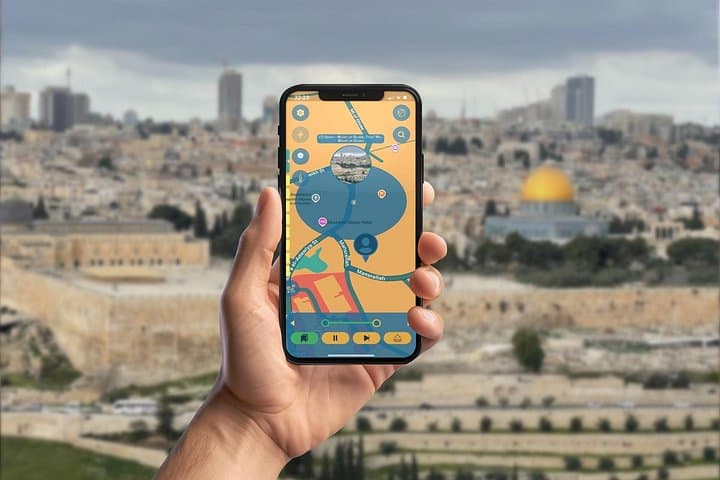
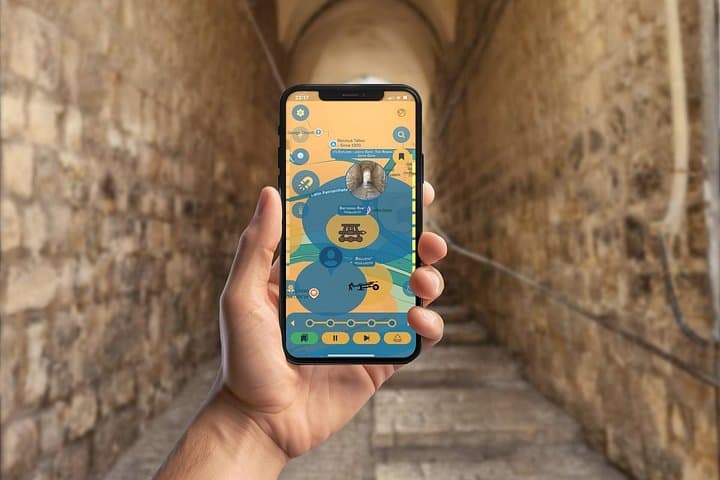
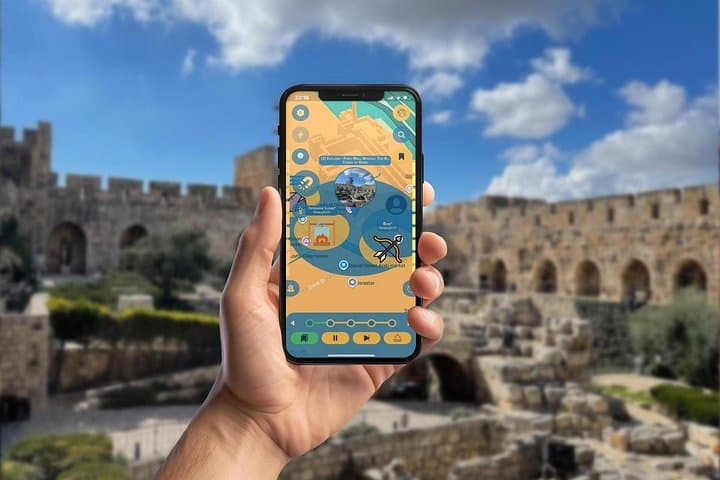
Walk the Old City as a Roman Praetorian: a GPS-driven mobile game guides you from Jaffa Gate to the Temple Mount, blending history, puzzles, and archaeological insight in a 60–120 minute self-guided tour.
Walk the Old City as a Roman Praetorian: a GPS-driven mobile game guides you from Jaffa Gate to the Temple Mount, blending history, puzzles, and archaeological insight in a 60–120 minute self-guided tour.
You step through Jaffa Gate with a phone in your palm and the weight of two millennia underfoot. Cobbled stones slope toward narrow alleys; a vibration cues the next objective as you look up to the crenellated walls where Roman standards once gathered. The app places you in a role — a Roman Praetorian — and the city around you begins to reenact strategy, siegeworks, and the human cost of an empire at war.
Verified experiences and guided adventures in the surrounding area.
Operated by Leplace - interactive self-guided app tours · Jerusalem, Jerusalem District
You step through Jaffa Gate with a phone in your palm and the weight of two millennia underfoot. Cobbled stones slope toward narrow alleys; a vibration cues the next objective as you look up to the crenellated walls where Roman standards once gathered. The app places you in a role — a Roman Praetorian — and the city around you begins to reenact strategy, siegeworks, and the human cost of an empire at war.
This self-guided route moves from Jaffa Gate to the Temple Mount and the Mount of Olives, threading through Zion Gate, David’s Tower, and the winding lanes of the Armenian Quarter. Geology matters here: Jerusalem’s soft limestone was both building material and battlefield, its terraces and the Kidron Valley shaping tactics and sightlines. Culturally the route traverses ground sacred to Judaism, Christianity and Islam; every stone carries layers of ritual, conquest and memory.
Practical guidance is simple. The experience runs 60–120 minutes and is fully GPS-driven; start anytime, pause, and resume. The Temple Mount has separate access rules and periods of restricted entry — plan around prayer times and seasonal closures. Wear sturdy walking shoes for uneven steps, keep a charged phone and portable battery, and respect dress codes in holy areas. Public transport and light rail connect easily to the Old City, but expect crowds mid-day. The app’s puzzles sharpen observation — watch for carved stones, looped alleyways and scars of siege — but remember this is an urban cultural site: move deliberately, photograph responsibly and leave no trace.
easy.
60–120 minutes.
Suitable for all fitness levels but requires ability to walk on uneven stone and climb stairs for short stretches.
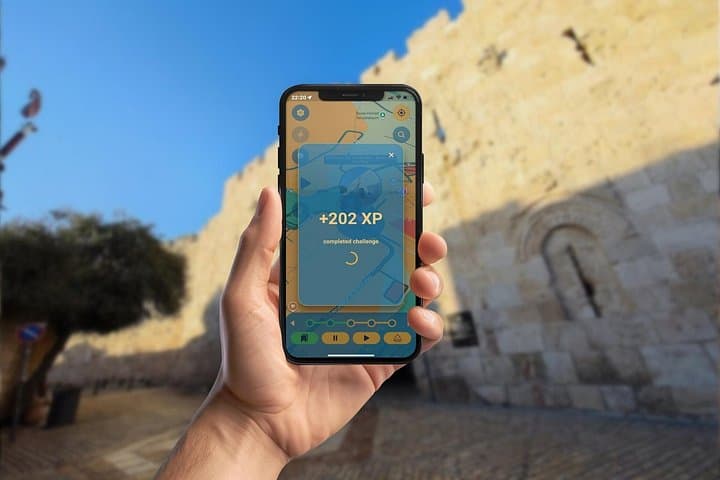
The experience is fully self-guided via a GPS app; you navigate, solve puzzles and pause the tour at will.
No — site access follows local regulations and separate entry restrictions; the app points you to locations but does not include paid admissions or special access.
The tour is generally suitable for most walkers but is not recommended for people with impaired mobility or severe visual impairment due to uneven surfaces and stairs.
The app runs on modern iOS and Android devices; intermittent internet may be needed for downloads and map data—download content beforehand when possible.
The 70 AD siege, led by Titus, culminated in the destruction of the Second Temple and shifted the region under Roman administration, a pivotal moment in the city’s long history.
High foot traffic accelerates wear on ancient stone; stick to marked paths, avoid leaning on fragile ruins, and carry out all trash to help preserve the Old City.
Leplace - interactive self-guided app tours operates guided outdoor trips and adventures with an emphasis on safety, stewardship, and memorable experiences.
You step through Jaffa Gate with a phone in your palm and the weight of two millennia underfoot. Cobbled stones slope toward narrow alleys; a vibration cues the next objective as you look up to the crenellated walls where Roman standards once gathered. The app places you in a role — a Roman Praetorian — and the city around you begins to reenact strategy, siegeworks, and the human cost of an empire at war.
You step through Jaffa Gate with a phone in your palm and the weight of two millennia underfoot. Cobbled stones slope toward narrow alleys; a vibration cues the next objective as you look up to the crenellated walls where Roman standards once gathered. The app places you in a role — a Roman Praetorian — and the city around you begins to reenact strategy, siegeworks, and the human cost of an empire at war.
This self-guided route moves from Jaffa Gate to the Temple Mount and the Mount of Olives, threading through Zion Gate, David’s Tower, and the winding lanes of the Armenian Quarter. Geology matters here: Jerusalem’s soft limestone was both building material and battlefield, its terraces and the Kidron Valley shaping tactics and sightlines. Culturally the route traverses ground sacred to Judaism, Christianity and Islam; every stone carries layers of ritual, conquest and memory.
Practical guidance is simple. The experience runs 60–120 minutes and is fully GPS-driven; start anytime, pause, and resume. The Temple Mount has separate access rules and periods of restricted entry — plan around prayer times and seasonal closures. Wear sturdy walking shoes for uneven steps, keep a charged phone and portable battery, and respect dress codes in holy areas. Public transport and light rail connect easily to the Old City, but expect crowds mid-day. The app’s puzzles sharpen observation — watch for carved stones, looped alleyways and scars of siege — but remember this is an urban cultural site: move deliberately, photograph responsibly and leave no trace.